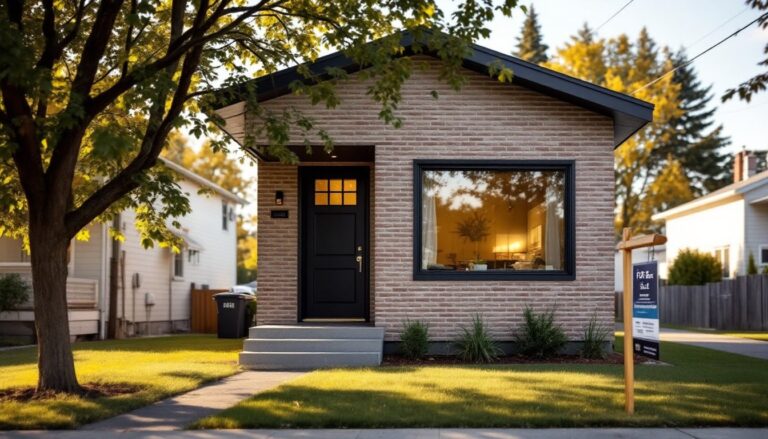

As retirement approaches, many dream of a simpler life—one that doesn’t involve mowing a lawn the size of a football field or cleaning out a basement full of decades-old treasures. Enter the tiny home movement, where less truly is more. Imagine cozying up in a charming space that’s not just easy on the eyes but also easy on the wallet.
Tiny homes for retirees offer the perfect blend of freedom and functionality. They’re not just cute; they’re practical too. With fewer square feet to maintain, retirees can spend more time doing what they love—whether that’s traveling, gardening, or finally mastering that elusive golf swing. It’s time to trade in the clutter for a minimalist lifestyle that’s both liberating and liberally sprinkled with charm. So why not downsize and step into a tiny home that fits just right?
Overview of Tiny Homes for Retirees
Tiny homes offer an attractive option for retirees seeking a simpler lifestyle. These compact residences typically range between 100 and 400 square feet, providing a cozy living space without the burdens of larger homes. Reduced maintenance is a significant benefit, allowing retirees to redirect their energy toward hobbies, travel, and community involvement.
Affordability plays a crucial role in the appeal of tiny homes. On average, building or purchasing a tiny home costs between $10,000 and $100,000, significantly lower than traditional homes. This cost-effective approach enables retirees to enjoy financial freedom and allocate resources to experiences rather than maintenance.
A minimalist lifestyle fosters a stronger connection to nature. Many tiny home communities are situated in picturesque locations that emphasize outdoor living. Access to green spaces, walking trails, and local parks encourages retirees to stay active and engaged.
Customization opportunities yield a personalized living experience. Retirees can design their tiny spaces to reflect their unique preferences and needs. Features like storage solutions and energy-efficient appliances enhance functionality without sacrificing comfort.
Community aspects are also vital. Many tiny home developments focus on creating supportive networks where residents can socialize and share resources. This sense of belonging helps combat loneliness often experienced in retirement.
Tiny homes represent a modern solution for retirees looking to embrace minimalism. The combination of affordability, sustainability, and community living enhances overall well-being, offering retirees an opportunity to live life to the fullest.
Benefits of Tiny Homes

Tiny homes offer numerous advantages for retirees, enhancing their quality of life through practical living solutions.
Financial Savings
Financial savings represent a primary benefit of tiny homes. Retirees enjoy reduced housing costs, with home prices typically ranging from $10,000 to $100,000. Lower utility bills further contribute to significant monthly savings. Many tiny homes use energy-efficient designs, which minimize expenses. These savings allow retirees to allocate more funds toward hobbies, travel, and leisure activities. Downsizing also means lower property taxes, enhancing financial freedom. By minimizing overall expenses, retirees can enjoy a more relaxed lifestyle without financial strain.
Simplified Living
Simplified living characterizes the tiny home experience. Less space leads to less clutter and maintenance, allowing retirees to focus on what matters most. A minimalist lifestyle often results in reduced stress and increased well-being. Many tiny homes feature clever storage solutions, maximizing functionality while minimizing belongings. Small spaces encourage creativity in design and organization. Retirees often find joy in smaller, easily manageable homes, which promote efficiency in daily tasks. This streamlined way of living aligns perfectly with a more fulfilling, intentional lifestyle.
Popular Tiny Home Designs
Tiny homes for retirees come in various appealing designs that cater to diverse lifestyles and preferences. Each design prioritizes comfort and functionality.
Modern Aesthetics
Modern aesthetics in tiny homes emphasize clean lines and open spaces. Interior designs often include large windows that invite natural light, creating a feeling of spaciousness. Minimalist furnishings contribute to the overall sleek appearance, enhancing the home’s functionality. Many retirees appreciate contemporary color palettes that create calming atmospheres. Features like compact kitchens and multi-functional furniture optimize the tiny living experience while retaining a stylish edge.
Eco-Friendly Options
Eco-friendly options in tiny home designs prioritize sustainability and efficiency. Often, these homes utilize renewable materials and energy-efficient appliances. Solar panels frequently power these homes, reducing energy costs. Additionally, water-saving fixtures help minimize overall consumption. Green building practices appeal to many retirees, aligning their lifestyle with environmental responsibility. Enhanced insulation and passive heating techniques further contribute to energy conservation, making eco-friendly tiny homes an attractive choice.
Choosing the Right Location
Selecting the right location for a tiny home significantly impacts retirees’ overall satisfaction. Consider proximity to essential services, such as healthcare, grocery stores, and recreational activities. Choosing a community with easy access to these amenities fosters independence and convenience.
Another important factor involves climate preferences. Warm southern regions provide year-round outdoor activities, while cooler areas offer picturesque seasonal changes. Evaluating weather patterns helps retirees maintain comfort and enjoyment throughout the year.
Safety stands as a critical concern for retirees. Researching crime rates in potential areas ensures a secure environment for daily living. Areas with friendly neighborhoods enhance peace of mind, promoting a sense of community.
The social aspect of tiny home living cannot be overlooked. Communities designed specifically for tiny homes often promote interaction among residents. Engaging in social activities and events leads to lasting friendships, combating feelings of isolation.
Cost of living greatly influences the decision-making process. Some regions feature affordable housing options without sacrificing quality of life. Investigating local taxes, utility prices, and property costs contributes to informed decisions.
Accessibility to outdoor activities is vital for retirees seeking active lifestyles. Locations near parks, lakes, and walking trails encourage regular exercise and connection with nature. Embracing the outdoors fosters well-being, enhancing overall quality of life.
Lastly, considering future growth and development potential in the chosen location may affect long-term plans. Areas with increasing amenities and infrastructure promise favorable investments. Retirees can find peace in knowing their communities will continue to evolve.
Tips for Downsizing to a Tiny Home
Downsizing to a tiny home requires careful planning and consideration. Start by assessing belongings. Sorting items into keep, donate, and discard categories simplifies the process and reduces clutter.
Consider the space within the tiny home. Maximizing storage options enables efficient organization. Using furniture with built-in storage or multifunctional pieces enhances usability.
Embrace a minimalist mindset. Selecting essential items fosters a more intentional lifestyle while also creating space for hobbies. Retirees benefit from prioritizing belongings that hold significant emotional value.
Engage in thorough research. Visiting various tiny home communities helps identify the ideal environment. Speaking with current homeowners provides insights into their experiences and challenges.
Evaluate financial aspects. Sticking to a budget ensures sustainable living within a small space. Additionally, accounting for utilities, maintenance, and property taxes is crucial, especially in communal settings.
Plan for layout and design. Choosing colors and materials that create an open feel makes small spaces appealing. Personalized touches offer warmth and comfort, transforming the tiny home into a welcoming retreat.
Maintain flexibility during the transition. Adjusting expectations allows easy adaptation to a new lifestyle. Remaining open to change encourages a smoother downsizing experience.
Establish a routine that suits the tiny living environment. Developing efficient daily habits fosters a sense of stability despite the change in space. Prioritizing outdoor activities promotes engagement with nature and community.
Explore local resources. Finding nearby activities enhances the connection to the surrounding area and promotes social engagement. Discovering local parks, clubs, and workshops encourages retirees to stay active and involved.
Tiny homes offer retirees a unique opportunity to embrace a simpler and more fulfilling lifestyle. By downsizing, they can enjoy financial freedom and reduced stress while fostering connections with nature and community. The minimalist approach not only enhances daily living but also encourages retirees to focus on what truly matters. With various designs and customization options available, tiny homes cater to diverse preferences and needs. As retirees consider this modern solution, they can look forward to a life filled with adventure and meaningful experiences in a space that reflects their values.