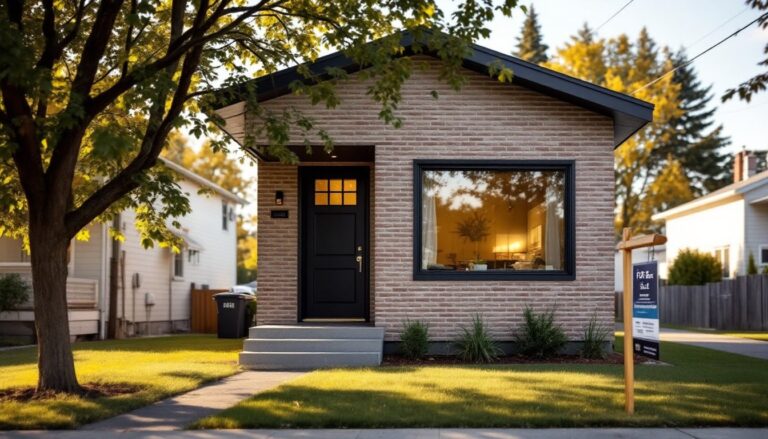

In a world where bigger often seems better, micro homes are flipping the script and proving that less really can be more. These pint-sized abodes pack a punch with clever design and functionality, making them the perfect solution for those tired of clutter and high rent. Who knew living small could be so stylish?
Imagine cozying up in a space that’s not just a home but a lifestyle choice. Micro homes offer a unique blend of sustainability and simplicity, allowing their owners to embrace minimalism without sacrificing comfort. Plus, they come with less upkeep—because who really wants to spend their weekends cleaning a mansion? With the rise of tiny living, it’s time to explore how these little wonders are reshaping the way people think about home sweet home.
Table of Contents
ToggleOverview of Micro Homes
Micro homes represent a shift in the way individuals and families view living spaces. These small dwellings typically range from 100 to 400 square feet, serving as efficient alternatives to traditional housing. Designed to optimize every inch, micro homes often incorporate multifunctional furniture and smart storage solutions. Convenience plays a key role, as residents enjoy the benefits of lower utility costs and reduced maintenance.
Sustainability also stands at the forefront of the micro home movement. Using eco-friendly materials and energy-efficient systems, these homes significantly lower the carbon footprint of their occupants. A small footprint doesn’t mean sacrificing comfort. Many homeowners embrace innovative designs that enhance livability without overwhelming the environment.
Affordability remains a major attraction. Micro homes often come at a fraction of the cost of standard houses, allowing people to own property without crippling debt. Flexibility is another advantage; numerous builders offer customizable floor plans and pre-fabricated models. Tiny living encourages a minimalist lifestyle, empowering occupants to focus on experiences rather than possessions.
Micro living appeals to various demographics, including young professionals, retirees, and those seeking an alternative to traditional housing. Communities centered around micro homes foster connections among residents, offering a sense of belonging. As this trend continues to grow, micro homes challenge societal norms, proving that quality of life doesn’t depend on square footage.
Benefits of Living in Micro Homes
Micro homes offer various advantages, appealing to those drawn to minimalism and sustainable living.
Cost Efficiency
Lower costs define micro homes. They often cost 50% less than traditional houses, making ownership accessible. Reduced utility bills further enhance financial benefits; smaller living spaces use less energy for heating and cooling. Maintenance expenses decrease because smaller areas require fewer resources. Resale value remains stable due to rising interest in minimalistic living. Customizable designs create additional cost-saving opportunities, as homeowners can select features that align with their budget. Flexibility in renting or adapting space appeals to different lifestyles. This financial freedom enables individuals to invest in experiences rather than material possessions.
Environmental Impact
Micro homes promote eco-friendliness. Smaller footprints mean reduced resource consumption and lower carbon emissions. Many designs incorporate sustainable materials, which mitigate environmental damage. Energy-efficient systems and appliances result in significant energy savings. Additionally, water-saving fixtures contribute to responsible water use. Residents likely embrace a lifestyle focused on sustainable living and conscious consumerism. The trend encourages local economies by sourcing materials closer to home. Building and living in micro homes foster a culture of sustainability, raising awareness around environmental issues. Such practices symbolize a commitment to preserving natural resources for future generations.
Design and Features of Micro Homes
Micro homes showcase smart design, emphasizing innovative solutions in small living spaces. These homes maximize functionality and comfort in limited square footage.
Innovative Space Utilization
Clever layouts enhance the usability of every corner in micro homes. Space-saving furniture often includes foldable tables and Murphy beds. Multifunctional areas serve different purposes, such as combining the living room with a workspace. Vertical storage options, like wall-mounted shelves and cabinets, effectively reduce clutter. Natural light through large windows or skylights creates an illusion of openness, making the interior feel more expansive. Flexible designs, such as sliding walls, allow residents to create privacy or an open atmosphere as needed. Every design element contributes to an efficient living experience without compromising aesthetics.
Essential Amenities
Micro homes deliver essential amenities while prioritizing space efficiency. Compact kitchens often feature full-sized appliances, despite their smaller dimensions. Modern bathrooms incorporate space-efficient fixtures, including corner sinks and shower stalls. Energy-efficient heating and cooling systems support comfort while keeping utility costs low. Smart home technology, like mobile-controlled lighting and thermostats, offers convenience in managing daily life. Storage solutions, such as built-in benches or hidden compartments, keep necessities organized without sacrificing style. All these features ensure that residents enjoy a comfortable, functional lifestyle, even in limited space.
Challenges of Micro Homes
Micro homes present unique challenges despite their many benefits. Understanding these difficulties helps potential homeowners prepare for a successful transition to tiny living.
Zoning and Regulations
Zoning laws often complicate the development of micro homes. Many locations impose minimum square footage restrictions, making it difficult to legally establish a micro dwelling. Specific areas may lack necessary permits, hindering construction efforts. Building codes can also complicate design choices, creating limitations on features or materials. Navigating local regulations requires careful planning and research to ensure compliance. Seeking guidance from experienced professionals can streamline this process and avoid unexpected setbacks.
Lifestyle Adjustments
Adapting to a micro home necessitates significant lifestyle changes. Space constraints require individuals to prioritize essential items, fostering a minimalist approach to possessions. Social habits may shift, as inviting guests can feel different in a more confined environment. Creating multifunctional spaces becomes crucial, enhancing daily living comfort. Small living areas might lead to innovative solutions for organization and storage, transforming how one interacts with their belongings. Embracing this new lifestyle promotes intentionality, encouraging a focus on experiences rather than material accumulation.
Popular Micro Home Models
Numerous micro home models showcase diverse designs and functionalities, catering to various lifestyles. Notable examples include tiny houses on wheels, which provide mobility and flexibility. These models often feature compact living spaces, yet include essential amenities like kitchens and bathrooms.
Container homes, made from repurposed shipping containers, offer an innovative approach to micro living. Adaptable for different environments, they come equipped with insulation, electrical systems, and stylish interiors.
Another trend involves modular micro homes, constructed from prefabricated sections. These homes allow for easy assembly and customization, appealing to those desiring personalized spaces. Architecturally striking, these models can blend seamlessly into urban or rural settings.
Eco-friendly micro homes prioritize sustainability, often using reclaimed materials and energy-efficient systems. Such designs reduce environmental impact while providing comfortable living spaces.
Cabin-style micro homes offer a rustic appeal, integrating natural elements like wood and stone. These often complement tranquil locations, allowing residents to embrace nature while enjoying modern conveniences.
Loft-style models maximize vertical space and incorporate innovative storage solutions. By utilizing lofted sleeping areas and built-in furniture, these homes create open living environments.
Park model trailers stand out due to their compact size and mobile capabilities. Enhanced with larger living spaces compared to traditional RVs, these homes provide comfort for long-term stays.
A wide range of micro home models exist to suit various preferences and needs, each promoting the principles of simplicity and functionality.
Micro homes are reshaping the way people think about living spaces. They offer a unique blend of affordability sustainability and innovative design that resonates with a growing audience. By embracing minimalism and efficient use of space these homes provide a viable alternative to traditional housing.
As the trend continues to gain traction more individuals and families are discovering the benefits of downsizing. The appeal of lower costs reduced maintenance and the opportunity to connect with like-minded communities makes micro living an attractive option. Ultimately micro homes challenge conventional norms and encourage a lifestyle that values quality over quantity.