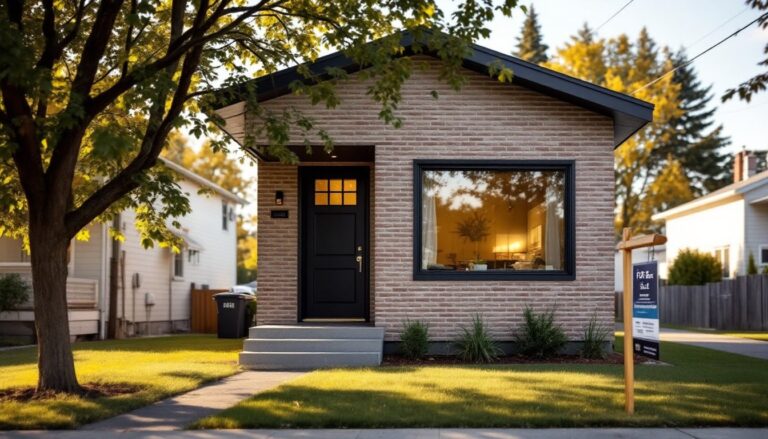

Imagine living in a space where every square foot counts, and your biggest dilemma is choosing between a cozy reading nook or a mini office. Welcome to the world of tiny homes, where less really is more. These pint-sized palaces are shaking up the housing market and redefining what it means to live large—without the hefty mortgage.
Tiny homes aren’t just a trend; they’re a lifestyle revolution. They offer the freedom to downsize, declutter, and focus on what truly matters—like that vintage record collection or your beloved houseplants. Plus, who wouldn’t want to impress their friends with a home that’s both eco-friendly and wallet-friendly? In a world of oversized everything, tiny homes are the perfect antidote, proving that good things really do come in small packages.
Overview of Tiny Homes
Tiny homes represent a distinctive approach to living that emphasizes simplicity and efficiency. These compact spaces typically range from 100 to 400 square feet, challenging traditional housing norms. Owners often prioritize quality over quantity, opting for multifunctional furniture and clever storage solutions.
Eco-friendliness is a significant aspect of tiny homes. Many structures utilize sustainable materials and energy-efficient systems, reducing the overall environmental footprint. This green aspect attracts individuals interested in living more consciously while enjoying modern amenities.
Affordability plays a crucial role in the growing popularity of tiny homes. Average costs fall between $10,000 and $60,000, depending on design and location. Such savings allow individuals to invest more in experiences rather than in large mortgages.
Variety exists within tiny home designs. They can be mobile or stationary, with choices ranging from modern minimalist aesthetics to rustic cabins. This diversity provides ample opportunities for personalization, catering to different tastes and lifestyles.
Socially, tiny homes encourage a strong sense of community. Many tiny home parks foster interactions among residents, enhancing connections and support networks. Such communal living offers both companionship and shared resources, promoting an eco-conscious lifestyle.
In terms of zoning and regulations, challenges may arise. Some areas restrict tiny homes through zoning laws or building codes. Navigating these regulations requires research but can pave the way for innovative solutions in urban and rural settings.
Overall, tiny homes illustrate a shift toward mindful living, capturing the essence of minimalism without sacrificing comfort or style. They appeal to those seeking a more intentional and fulfilling lifestyle.
Benefits of Living in Tiny Homes
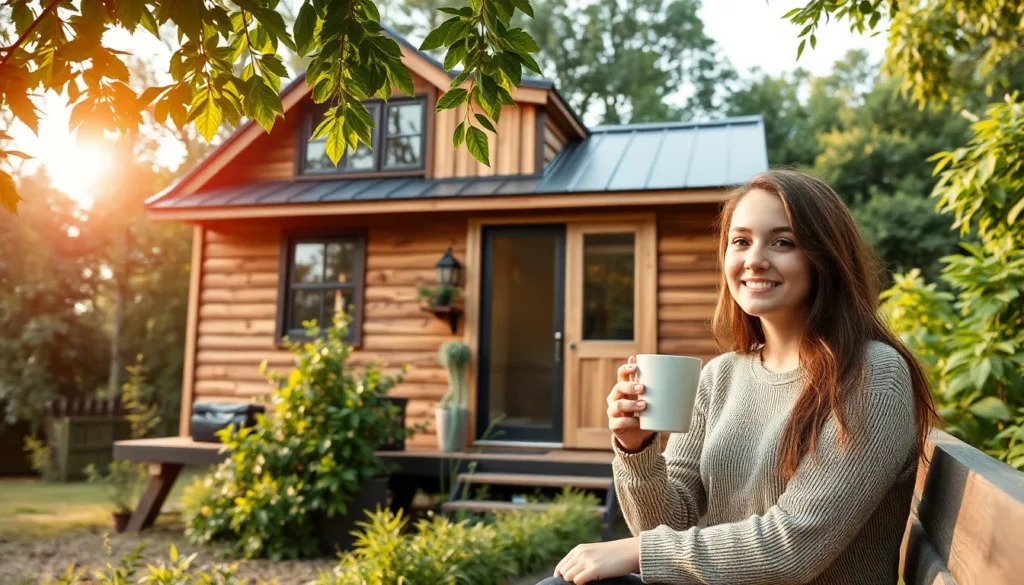
Tiny homes offer numerous advantages that enhance the quality of living while promoting sustainability. They provide a unique solution for those seeking simplicity and intentionality in their lifestyles.
Financial Savings
Financial savings remain one of the primary draws of tiny homes. Overall costs often range between $10,000 and $60,000, significantly lower than traditional homes. Monthly expenses shrink as utilities, maintenance, and property taxes decrease. Owners can pay off their homes faster, reducing long-term financial stress. Simplified living leads to fewer material possessions, which can also equate to decreased spending. Many tiny homeowners report fewer debts, allowing for greater financial freedom.
Environmental Impact
Environmental impact plays a crucial role in the appeal of tiny homes. Many structures utilize sustainable materials and energy-efficient technologies, dramatically lowering their carbon footprints. Reduced square footage means less energy consumption for heating and cooling; tiny homes generally require fewer resources during construction. Furthermore, many owners adopt eco-friendly practices like composting and rainwater harvesting, contributing to sustainability. With a focus on minimalism, tiny home inhabitants often lead more environmentally conscious lifestyles, promoting awareness of resource conservation.
Design and Construction of Tiny Homes
Tiny homes embrace unique designs and construction choices that align with minimalist living. These compact spaces spark creativity, focusing on functionality and style.
Popular Designs
Common designs include mobile models and stationary structures. Mobile tiny homes, like trailers, offer flexibility for travel and relocation. Stationary options provide stability, often resembling traditional cottages yet in a smaller footprint. Architectural styles vary, ranging from modern minimalist looks to rustic finishes. Tiny homes frequently incorporate large windows, maximizing natural light and creating a sense of openness, essential for smaller spaces. The customization of interiors allows homeowners to reflect personal tastes while remaining practical.
Construction Materials
Sustainable materials often dominate tiny home construction. Wood, steel, and recycled materials contribute to eco-friendly practices, reducing environmental impact. Insulation plays a critical role in energy efficiency, ensuring comfort throughout different climates. Additionally, many builders opt for salvaged or upcycled materials to minimize waste. Energy-efficient appliances minimize resource use, further bolstering the eco-friendly attributes of tiny homes. Various finishes, such as bamboo or reclaimed wood, enhance both aesthetics and sustainability, presenting stylish yet responsible choices for homeowners.
Challenges of Tiny Home Living
Tiny home living presents unique challenges, despite its many benefits. Understanding these challenges is crucial for potential owners.
Space Limitations
Space limitations in tiny homes force individuals to adapt their lifestyles. Given an average area of 100 to 400 square feet, every inch counts. Multifunctional furniture becomes essential, allowing rooms to serve multiple purposes. Many tiny home owners struggle with storage, requiring innovative solutions to keep clutter at bay. Prioritizing possessions influences everyday life, as residents often need to make tough decisions about what to keep. This significant change can enhance personal relationships by encouraging shared experiences over material goods.
Zoning and Regulations
Zoning and regulations present obstacles for tiny home enthusiasts. Many municipalities lack formal guidelines for tiny home placement, leading to confusion. Specific areas may prohibit tiny homes altogether, complicating residential choices. Compliance with building codes can also become a challenge, leading to costly alterations. In some jurisdictions, securing permits might pose additional delays before moving in. Understanding local regulations proves vital, as it shapes the feasibility of making a tiny house a permanent home.
Tiny Homes in Different Locations
Tiny homes adapt well to various locations, offering unique advantages in urban and rural settings.
Urban vs. Rural Tiny Homes
Urban tiny homes often maximize limited space in densely populated areas, featuring innovative designs that include rooftop gardens and foldable furniture. City dwellers appreciate quick access to amenities while enjoying the efficiency of a compact living environment. Conversely, rural tiny homes provide ample outdoor space, allowing for greater connection with nature and often benefiting from lower costs. Residents in rural areas find it easier to obtain land and customize their homes without zoning restrictions. The choice between urban and rural settings ultimately depends on individual lifestyle preferences and priorities.
Tiny Home Communities
Tiny home communities foster a shared living experience, creating opportunities for social engagement. Residents often enjoy communal spaces that foster relationships while maintaining individual privacy. Many communities prioritize sustainability, utilizing shared resources such as gardens and renewable energy systems. These neighborhoods typically offer a supportive atmosphere where like-minded individuals exchange ideas and collaborate on projects. Examples include the Tiny House Village in Portland, Oregon, and EcoVillage in Ithaca, New York. Both attract those seeking a sense of belonging while embracing eco-friendly practices in their daily lives.
Tiny homes represent a transformative approach to living that encourages individuals to embrace simplicity and intentionality. By prioritizing what truly matters and reducing material excess, they create space for personal growth and community connection.
The flexibility of tiny homes allows for diverse designs that cater to various lifestyles while promoting eco-friendly practices. As more people seek financial freedom and environmental sustainability, the appeal of tiny homes continues to grow.
Ultimately, this movement fosters a sense of belonging and shared values among residents, making tiny homes not just a housing choice but a lifestyle revolution.