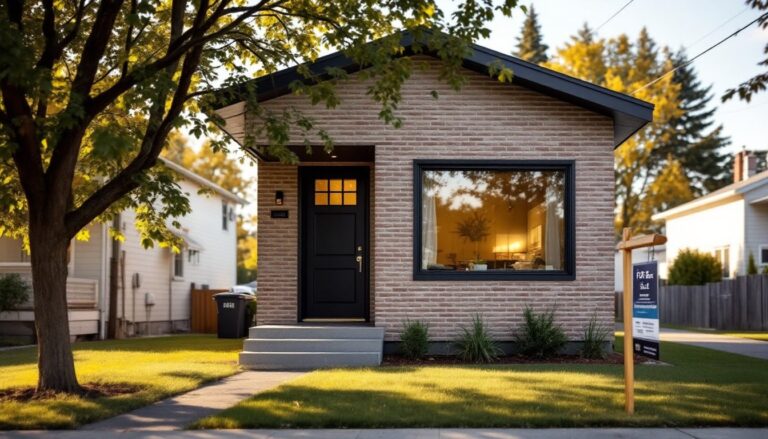

Imagine stepping into your dream home without the burden of a hefty down payment weighing you down. Sounds like a plot twist in a fairy tale, right? Well, zero down payment loans are here to make that dream a reality. These loans allow potential homeowners to skip the traditional down payment, making homeownership more accessible than ever.
Table of Contents
ToggleOverview of Zero Down Payment Loans
Zero down payment loans allow potential homeowners to finance a property without requiring significant savings upfront. These loans cater to individuals who find it challenging to accumulate a traditional down payment. Various programs, such as VA loans, USDA loans, and certain first-time homebuyer programs, facilitate zero down payment options.
Homebuyers may benefit from zero down loans due to reduced initial costs. Lowering the barrier to entry empowers more people to achieve homeownership. Eligibility criteria often include factors such as credit score and income, influencing whether applicants qualify for these programs.
Additionally, zero down payment loans can sometimes offer competitive interest rates. Some lenders provide specific incentives that help buyers secure better financing terms. Creditworthiness plays a crucial role in determining the terms offered for these loans.
Understanding available options is key to making informed financial decisions. Prospective homeowners should carefully evaluate different loan products and their implications. Consulting with a mortgage professional can clarify the benefits and potential drawbacks of pursuing a zero down payment loan.
Homebuyers often experience increased financial flexibility with zero down loans, freeing up funds for other expenses. Maintenance, moving costs, and home improvements remain essential considerations when managing a budget. This method of financing promotes a more accessible pathway to homeownership, enabling many to realize their dream of owning a home.
Benefits of Zero Down Payment Loans
Zero down payment loans offer significant advantages for prospective homeowners. Buyers can access their dream homes without the financial burden of large upfront payments.
Accessibility for First-Time Buyers
Zero down payment loans enhance accessibility for first-time buyers. Many individuals struggle to save for a traditional down payment. Assisting them, programs like VA loans, USDA loans, and first-time homebuyer initiatives provide options. These programs cater to various income levels and credit scores, making it easier for newcomers to enter the housing market. Homeownership becomes feasible, even for those with limited savings. Expanding opportunities, lenders are more willing to work with applicants who meet basic eligibility criteria.
Reduced Upfront Costs
Reduced upfront costs significantly lower barriers to homeownership. Without a down payment requirement, buyers retain more funds for other essential expenses. This financial flexibility allows them to cover costs such as moving, maintenance, and necessary renovations. Many loan programs also feature competitive interest rates, making them attractive options. Various structures exist to support different borrower goals, enabling individuals to determine the best fit for their financial situation. Accessing these loans promotes homeownership, encouraging economic growth and community stability.
Types of Zero Down Payment Loans
Various zero down payment loans exist, catering to different needs and qualifications. These options provide pathways to homeownership with no upfront costs.
USDA Loans
USDA loans support rural and suburban homebuyers without requiring a down payment. Applicants must meet specific income limits, typically at or below 115% of the area median income. These loans also necessitate a credit score of 640 or higher. Additionally, USDA loans offer competitive interest rates and reduced mortgage insurance costs, enhancing affordability for eligible buyers. The properties financed must reside in designated rural areas as per USDA guidelines.
VA Loans
VA loans serve veterans, active-duty service members, and certain members of the National Guard and Reserves, providing a zero down payment option. With no minimum credit score requirement, these loans become accessible for many applicants. VA loans also provide funding for home improvements and refinancing, adding to their versatility. Furthermore, borrowers benefit from lower interest rates and no private mortgage insurance, making homeownership more attainable and financially feasible. Eligibility depends on service history, ensuring that those who served the country gain equitable access to mortgages.
Eligibility Requirements
Eligibility for zero down payment loans varies among different programs. Key factors include credit score and income criteria, which determine whether applicants qualify.
Credit Score Expectations
Most lenders expect a minimum credit score to approve zero down payment loans. A score of 640 is common for USDA loans. VA loans do not impose a minimum credit score requirement, making them more accessible for service members and veterans. Higher credit scores often lead to better interest rates, enhancing affordability. Potential borrowers should check their credit reports regularly for errors, as these can impact their scores. Improving the credit score before applying can boost eligibility and lower overall loan costs.
Income and Employment Criteria
Income and employment stability are significant factors in loan eligibility. Lenders generally assess gross income to determine eligibility for zero down payment programs. USDA loans limit qualifying income to 115% of the area’s median, ensuring assistance targets low to moderate-income households. VA loans primarily consider the debt-to-income ratio, with a cap typically around 41%. Consistent employment history of at least two years reinforces an applicant’s financial stability. Demonstrated income sufficiency helps lenders evaluate repayment abilities, impacting loan approval.
Potential Drawbacks
Zero down payment loans carry several potential drawbacks that buyers should consider. These can impact long-term financial stability and overall costs associated with homeownership.
Higher Monthly Payments
Higher monthly payments often accompany zero down payment loans. Given that no initial investment is made, the entire loan amount becomes financed. As a result, monthly obligations tend to increase compared to conventional loans with down payments. Buyers may feel added financial strain because their monthly budget must accommodate this increase. A larger loan amount also means that principal and interest payments rise, which can affect affordability. Homeowners may need to carefully evaluate their finances to ensure they can manage these larger payments without excessive strain.
Private Mortgage Insurance (PMI)
Private mortgage insurance frequently becomes necessary when opting for a zero down payment loan. Lenders typically require PMI when the down payment is less than 20 percent of the property’s value. This insurance adds an additional monthly cost, which increases overall housing expenses. Many find PMI premiums vary, depending on the loan amount, credit score, and lender policies. Eliminating this cost often requires refinancing or increasing home equity over time. Potential buyers should factor in these additional expenses when assessing the total financial implications of a zero down payment mortgage.
Zero down payment loans offer a valuable opportunity for aspiring homeowners to break into the real estate market without the burden of a hefty down payment. These loans not only reduce upfront costs but also provide financial flexibility for other essential expenses. With various programs available such as VA and USDA loans, individuals can find options tailored to their unique financial situations.
While these loans come with their own set of challenges like higher monthly payments and potential PMI costs, understanding the nuances can empower buyers to make informed decisions. Consulting with a mortgage professional can further clarify the best path forward. Embracing zero down payment loans can pave the way for many to achieve their dream of homeownership, contributing to stronger communities and economic growth.