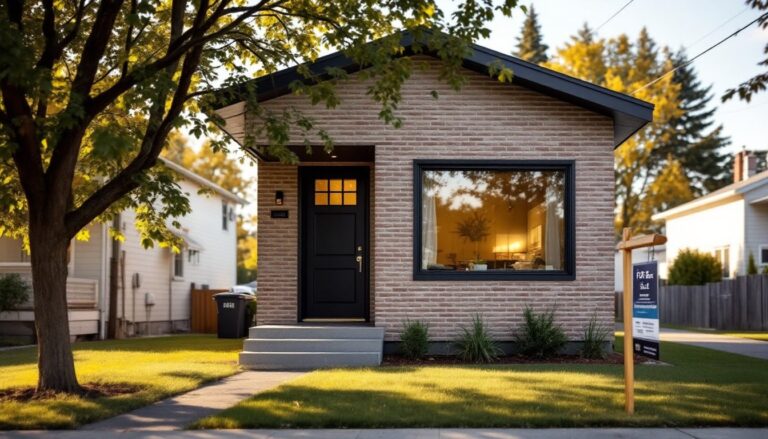

Navigating the world of home buying can feel like trying to solve a Rubik’s Cube blindfolded. One of the biggest puzzles? The down payment. It’s that pesky upfront cost that often leaves potential homeowners sweating bullets and wondering if they’ll ever escape the rental trap. But fear not! With the right down payment strategies, buying that dream home could be more attainable than finding a parking spot at the mall during the holidays.
Table of Contents
ToggleUnderstanding Down Payment Strategies
Navigating down payment strategies simplifies the home buying process. Many individuals opt for saving gradually over time. This approach involves setting aside a specific percentage of income, typically 10% to 20% of the purchase price.
Utilizing a high-yield savings account offers another way to grow savings. These accounts provide better interest rates compared to regular savings accounts. They allow buyers to accumulate funds more efficiently.
First-time homebuyer programs present additional opportunities. These programs often include grants or loans with favorable terms. Various states and local governments offer assistance designed to help new buyers secure down payments.
Consider the impact of a gift from family members. Gifts can cover all or part of a down payment, aiding in achieving affordable homeownership. Donors should provide official documentation to maintain compliance with lender requirements.
Looking into Federal Housing Administration (FHA) loans might also be beneficial. These loans feature lower down payment options, sometimes as low as 3.5%. Such options reduce the immediate financial burden on buyers.
Exploring employer-sponsored homebuyer assistance programs becomes a practical choice. Some companies provide financial aid for down payments or even homebuyer education courses. Taking advantage of these resources can lead to better-informed decisions.
Ultimately, effective down payment strategies contribute significantly to successful homeownership. Understanding various options empowers potential buyers to make educated choices tailored to personal circumstances and financial goals.
Importance of Down Payment Strategies
Down payment strategies play a vital role in the home buying process. They offer significant advantages such as financial security and enhanced accessibility to homeownership.
Financial Security
Establishing a solid down payment strategy builds a foundation for financial security. Saving consistently over time creates a buffer against market fluctuations and unexpected expenses. For instance, putting aside 10% to 20% of the purchase price equips buyers with a stronger financial position. Using high-yield savings accounts can maximize growth on savings, helping individuals reach their goals faster. This disciplined approach not only minimizes monthly mortgage payments but also removes the burden of private mortgage insurance (PMI). Adopting effective strategies fosters confidence and peace of mind during the home buying journey.
Homeownership Accessibility
Implementing various down payment strategies significantly enhances homeownership accessibility. Programs designed for first-time buyers often provide grants or loans that ease the financial strain of purchasing a home. Family contributions can also play a pivotal role, making it easier for buyers to reach required amounts. Federal Housing Administration (FHA) loans present attractive options with lower down payment requirements, opening doors for many. Moreover, employer-sponsored assistance programs foster education and financial aid, bridging gaps to homeownership. Adopting these strategies empowers potential buyers to navigate the complexities of homeownership more effectively.
Types of Down Payment Strategies
Down payment strategies vary widely, offering multiple paths to homeownership. Understanding these options helps potential buyers make informed decisions.
Traditional Savings Approach
The traditional savings approach focuses on gradually setting aside money for a down payment. Many individuals aim for 10% to 20% of the home purchase price. Consistent contributions from monthly income can accelerate this process. Utilizing high-yield savings accounts enhances growth potential through better interest rates. Establishing a dedicated savings plan reinforces financial discipline alongside long-term goals. Buyers often find this method straightforward, allowing for predictable progress while avoiding debt.
Down Payment Assistance Programs
Down payment assistance programs provide essential support for first-time homebuyers. These initiatives often include grants or low-interest loans, easing the financial strain. Many state and local governments sponsor these programs, making access more feasible. First-time buyers can receive substantial help with homeownership costs through employer-funded initiatives. Eligibility typically depends on income levels or home prices in specific areas. Understanding program requirements enables buyers to take advantage of available resources, increasing the likelihood of home acquisition.
Evaluating Your Financial Situation
Understanding one’s financial situation is crucial when planning for a down payment. Buyers must assess their current financial standing to create effective strategies.
Budgeting for a Down Payment
Establishing a budget for a down payment allows buyers to allocate their resources effectively. Consider setting aside 10% to 20% of the home purchase price based on future expenses. It’s beneficial to analyze income and expenses monthly. Listing discretionary spending helps identify areas for potential savings. Engaging in automatic transfers to high-yield savings accounts accelerates the saving process. Reviewing and adjusting the budget regularly ensures progress toward the down payment goal.
Calculating Affordability
Calculating affordability involves evaluating not only the down payment but also ongoing monthly mortgage payments. Buyers should estimate potential mortgage rates and property taxes for realistic budgeting. Understanding the total cost of homeownership, including insurance and maintenance, aids in making informed decisions. Utilizing mortgage affordability calculators streamlines this process, offering a better understanding of financial capabilities. Establishing a comfortable price range ensures that buyers avoid financial strain during and after the purchasing process.
Effective down payment strategies can transform the daunting task of home buying into an attainable goal. By understanding and utilizing various methods such as saving gradually and exploring assistance programs, potential homeowners can navigate the complexities of purchasing a home with greater ease.
Establishing a solid plan not only enhances financial stability but also opens doors to homeownership that might seem out of reach. With the right approach and resources, achieving that dream home becomes a realistic possibility rather than a distant aspiration.