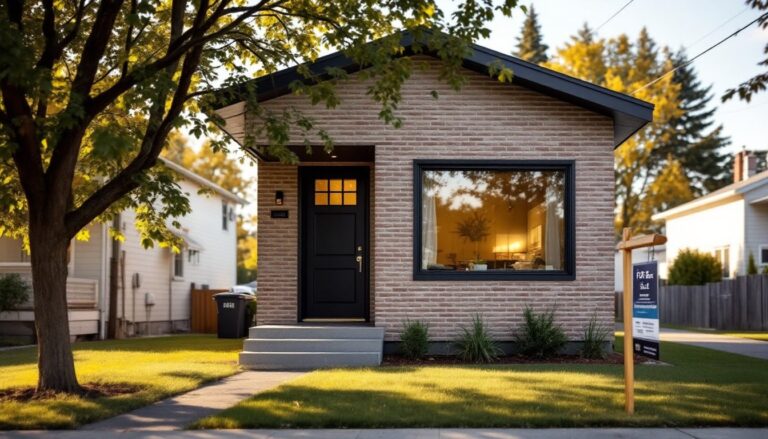

The tiny home movement has shifted from a niche trend to a legitimate housing solution for families seeking affordability, flexibility, and a simpler lifestyle. If you’re hunting for 2-bedroom tiny homes for sale, you’re joining thousands of buyers who’ve realized that square footage doesn’t equal quality of life. A well-designed 2-bedroom tiny home can comfortably house a small family, provide a guest bedroom, or serve as a workspace without sacrificing comfort. This guide walks you through everything you need to know, from understanding why these homes are worth your attention to finding the right property and avoiding common buyer pitfalls.
Table of Contents
ToggleKey Takeaways
- 2-bedroom tiny homes for sale cost 30–50% less than comparable traditional homes, making homeownership accessible to first-time buyers and those looking to downsize.
- A typical 2-bedroom tiny home ranges from 600–1,000 square feet with clever design features like open floor plans, lofted bedrooms, and built-in storage that maximize space and functionality.
- Financing tiny homes requires larger down payments (15–25%) and higher interest rates than conventional mortgages, so get pre-approved early with specialized lenders.
- Zoning and permits vary by location; verify your desired area allows tiny homes or ADUs before purchasing, and confirm utilities are available or budget for installation.
- Professional inspection is critical to check foundation, electrical, plumbing, roof, and ventilation, as moisture intrusion and mold are common and expensive issues in compact homes.
- Factor in all ongoing costs including HOA fees, property taxes, insurance, and utilities before buying; a seemingly affordable 2-bedroom tiny home can become expensive if hidden expenses aren’t realistic.
Why 2-Bedroom Tiny Homes Are Gaining Popularity
2-bedroom tiny homes sit at a sweet spot in the market. They’re larger than 1-bedroom units, offering breathing room for families or remote workers who need a dedicated office, yet small enough to keep overhead costs manageable. The appeal is practical: lower property taxes, reduced utility bills, and easier maintenance without the financial burden of traditional mortgages. Many buyers are drawn to the minimalist ethos, but the real driver is economics. In competitive real estate markets, a 2-bedroom tiny home can cost 30–50% less than a comparable traditional home, making homeownership accessible to first-time buyers and those looking to downsize.
Sustainability is another compelling factor. Smaller homes use less energy, generate lower carbon footprints, and reduce resource consumption. For environmentally conscious buyers, this isn’t just feel-good marketing, it’s a tangible benefit. Communities are responding too. More municipalities are relaxing zoning restrictions on accessory dwelling units (ADUs) and tiny home communities, particularly in states like Colorado, Tennessee, and Texas. Tiny Homes Colorado: Discover the appeal of mountain living in compact form, or explore Tiny Homes for Sale across the Southeast. The flexibility to live in desirable areas without the six-figure price tag is transforming how people think about housing.
What To Expect: Features and Layout Styles of 2-Bedroom Tiny Homes
A typical 2-bedroom tiny home ranges from 600 to 1,000 square feet, compared to the average U.S. home at 2,500+ square feet. Don’t let the footage fool you, clever design can make these homes feel spacious. Open floor plans, high ceilings, abundant windows, and multi-functional spaces are standard. The living and kitchen areas often flow together, maximizing the sense of openness. Storage is built-in throughout: lofted bedrooms with drawers underneath, wall-mounted shelving, and compact appliances that don’t eat floor space.
Two bedrooms typically means one full-size master and one smaller bedroom, though “bedroom” can be flexible in tiny homes. Some designs include a flexible room that works as a guest bedroom, home office, or studio. Bathrooms are usually compact but fully functional, a shower/tub combo (not both), pedestal or wall-mounted sinks, and efficient layouts. Kitchens use residential-grade appliances scaled down to proportions (think 24-inch refrigerators and smaller ranges). Finishes range from rustic to contemporary, depending on the builder and your taste.
Common Floor Plans and Space Solutions
The vertical layout is popular in lofted designs: bedrooms upstairs (or tucked into loft spaces with sloped ceilings), living areas below. This maximizes usable square footage and creates distinct zones. The linear plan arranges bedrooms on opposite ends with shared living space in the middle, easier to navigate and accessible for those with mobility concerns. The pod-style layout treats bedrooms and bathrooms as separate pods connected by a central living/kitchen core, improving privacy and functionality.
Space-saving solutions are everywhere: Murphy beds that fold into walls, expandable dining tables, built-in benches with storage, and sliding barn doors instead of swing doors. Outdoor living matters too, many 2-bedroom tiny homes include porches, decks, or patios that effectively expand living space. Tiny Homes with Land often take advantage of outdoor areas since the footprint is modest. Real estate platforms like Houzz showcase design inspiration, and Dwell has featured several affordable models worth reviewing.
Pricing and Budget Considerations for 2-Bedroom Tiny Homes
Pricing varies dramatically by location, builder, and finish level. A basic 2-bedroom tiny home from a production builder might run $60,000–$100,000, while custom-built or designer models in premium markets can exceed $200,000. Foundation type matters: a mobile/modular home on a trailer chassis costs less than a site-built home on a permanent foundation. Permitting and land acquisition add significant costs that many first-time buyers underestimate.
If you’re purchasing with land, budget separately for the property itself. A small 0.25–0.5 acre lot in a rural area might cost $20,000–$50,000: in desirable urban or suburban locations, double or triple that. Site prep, utilities (water, sewer, electric), grading, and foundation work, can run $10,000–$30,000 depending on local conditions and codes. Financing is trickier than traditional mortgages. Most banks treat tiny homes as specialty products, requiring larger down payments (15–25%) and higher interest rates. FHA and conventional loans exist but vary by lender and whether the home is modular, mobile, or site-built.
Insurance is generally cheaper due to lower replacement cost, but some insurers won’t cover tiny homes, shop early and confirm coverage. Property taxes are scaled to assessed value, a genuine savings, though some jurisdictions treat certain tiny homes as RVs or personal property, which has tax implications. Tiny Homes for Sale offers examples of market-specific pricing: similar regional resources help you understand local costs.
Where To Find 2-Bedroom Tiny Homes For Sale
National marketplaces like Zillow, Redfin, and Realtor.com list tiny homes, though filtering by size and type requires persistence, many aren’t tagged properly. Specialized tiny home platforms like TinyHomeListing.com, Tiny House Listings, and Movable Roots aggregate builder inventory and resale listings in one place. Facebook groups dedicated to tiny homes are surprisingly active: thousands of buyers and sellers swap leads daily.
Direct builder channels are worth exploring. Established builders like Nomad Homes, Palm Harbor, and Skyline have dealer networks and online inventories. If you’re targeting a specific region, Tiny Homes for Sale and Tiny Homes for Sale highlight regional markets worth investigating. Regional real estate agents increasingly specialize in tiny homes: hire one who understands financing, permitting, and local code quirks. Tiny home communities are growing, subdivisions zoned specifically for these dwellings, and many have on-site sales offices. A real estate database like Curbed keeps you updated on market trends and emerging inventory by region. Attend tiny home expos and open houses: seeing the layout, storage, and finishes firsthand beats any online listing.
Essential Tips for Buying Your First Tiny Home
Get pre-approved early. Tiny home financing is less standardized than traditional mortgages. Contact credit unions, banks, and specialized lenders (Tiny Home Lenders, for example) to understand your options and limitations before house hunting.
Understand zoning and permits. A 2-bedroom tiny home legal in one jurisdiction might violate ordinances in another. Check if your desired location allows tiny homes, ADUs, or mobile homes. Confirm utilities are available (well, septic, electric, natural gas) or budget accordingly. Some areas require professional design approval or third-party inspections.
Inspect thoroughly. Don’t skip a professional home inspection just because the home is small. Check foundation condition, electrical and plumbing systems, roof integrity, insulation, and ventilation. Moisture intrusion is a common issue in tiny homes due to limited air circulation, mold and rot are expensive fixes.
Plan before you buy. Will you place the home on your land or in a community? Do you have utilities or utilities access? Is the site graded and prepped, or will you need excavation? Moving a tiny home (whether modular, mobile, or site-built) costs $3,000–$15,000 depending on distance. Hiring a Tiny Home Builder with experience placing and finishing homes in your area saves headaches.
Test-drive the layout. If possible, spend time in a model or completed home with a similar floor plan. Walk through morning routines, meals, and work-from-home scenarios. Does the bedroom size feel cramped? Can you fit your furniture? Tiny homes demand honest self-assessment about lifestyle compatibility.
Watch for hidden costs. Factor in HOA fees (if in a community), parking (if separate from the home), insurance, property taxes, utilities, maintenance, and resale challenges. A home that looks affordable at purchase can drain your budget if ongoing costs aren’t realistic.
Conclusion
Buying a 2-bedroom tiny home for sale in 2026 is a smart move for the right buyer, one who values affordability, sustainability, and intentional living over square footage. The market is mature, builders are professional, and financing options exist, though they require more assignments than conventional home loans. Success hinges on honest self-reflection, thorough due diligence, and working with professionals (inspectors, lenders, agents) who understand tiny homes. Do your research, visit models, crunch the numbers, and make sure the lifestyle aligns with your needs. A well-chosen 2-bedroom tiny home can deliver independence, financial relief, and genuine joy for decades.