Connected tiny homes, multiple small dwellings linked together through shared spaces, walkways, or unified infrastructure, are reshaping how families, communities, and developers think about affordable housing and sustainable living. Rather than scattering individual units across a lot, connected tiny homes cluster together in ways that maximize land use, reduce utility costs, and foster community while preserving privacy. Whether you’re exploring this as a homeowner with extended family, a developer planning a multi-unit project, or a DIY enthusiast curious about what goes into these layouts, understanding the design, zoning, and practical mechanics behind connected tiny homes can help you evaluate whether this model fits your needs.
Table of Contents
ToggleKey Takeaways
- Connected tiny homes linked by shared walkways and infrastructure can reduce utility costs by 20-40% compared to scattered homes while maintaining independent kitchens, entrances, and utilities for each unit.
- Linear and courtyard layout designs each offer distinct trade-offs—linear clusters simplify construction and utilities, while courtyard arrangements foster community interaction and work well for aging-in-place scenarios.
- Building codes require each connected tiny home to have separate electrical panels, water shutoffs, dedicated HVAC systems, and proper egress, meaning permits and professional engineering are non-negotiable.
- Proper grading and drainage planning prevents costly foundation damage and is often overlooked but essential for protecting multiple homes from water infiltration and concrete heave.
- Connected tiny homes provide significant affordability and sustainability benefits by preserving open land, supporting walkable neighborhoods, and reducing per-unit infrastructure costs compared to traditional single-family development.
- Local zoning laws vary dramatically—verify whether your municipality permits small clusters or requires a variance, and consult with a professional architect familiar with your jurisdiction before designing plans.
What Are Multiple Tiny Homes Connected?
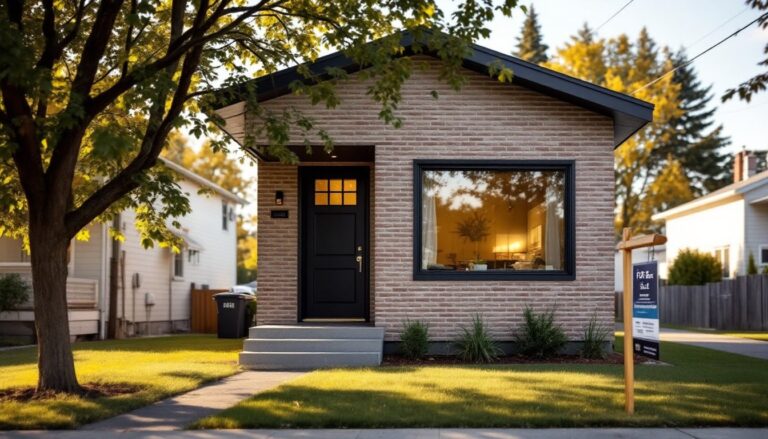
Connected tiny homes refer to multiple small residential units, typically 300 to 800 square feet each, positioned on a single lot or adjacent parcels and linked by design intent or physical connection. The linkage can be literal: a covered walkway, breezeway, or internal hallway connecting two structures. It can also be functional: shared parking, a communal courtyard, or unified electrical and plumbing infrastructure fed from a single main.
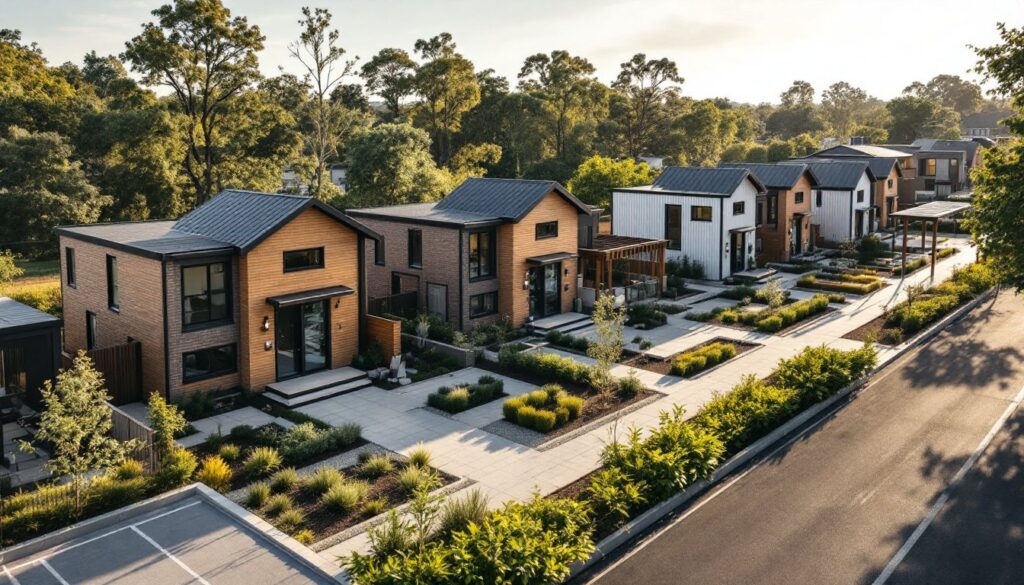
The concept differs from a traditional duplex or townhome row because each unit retains its own entrance, kitchen, and utilities, making them genuinely independent homes, not subdivisions of one structure. This approach has become increasingly popular in infill development, eco-villages, multigenerational housing, and workforce housing initiatives. A developer might place four to twelve connected units on a suburban lot, or a family might build two or three homes on a larger property to house aging parents, adult children, or rental income while maintaining clear boundaries.
What makes connected tiny homes practical is that they share infrastructure efficiently. Imagine two 500-square-foot homes sitting 20 feet apart instead of 100 feet apart, water lines, electrical runs, and drainage all become shorter, cheaper, and easier to maintain. Yet each home functions independently, with separate HVAC systems, water heaters, and metering. This hybrid approach appeals to developers seeking density and affordability without the stigma of cramped apartment living, and to homeowners wanting multigenerational flexibility without building separate houses miles apart.
Design Layout And Configuration Options
The physical arrangement of connected tiny homes determines traffic flow, privacy, usable outdoor space, and construction cost. Two primary layout models dominate the field, each with trade-offs.
Linear Cluster Designs
Linear clusters position homes in a row, think a curated street. This layout maximizes the use of rectangular lots common in suburban areas and simplifies utilities, since water, sewer, and electrical lines run parallel down the property. Homeowners enter from a shared front court or a central pedestrian lane, and each unit enjoys a small backyard or patio facing away from neighbors.
Linear designs are contractor-friendly: grading, foundation work, and trenching happen in sequence, reducing mobilization costs. They’re also intuitive for families. Four units in a row on a half-acre lot give each home a small footprint, clear sight lines, and minimal confusion about who owns or maintains what.
The downside? Linear arrangements can feel monotonous if every home is identical, and end-unit homes sometimes feel more expensive because they’re larger or more visible. Parking becomes a puzzle, you’ll need to decide whether to stack cars in a central lot, line them along a drive, or rely on street parking.
Courtyard And Circular Arrangements
Courtyard and circular designs cluster homes around a central green space or plaza. Imagine four to six homes facing inward around a shared garden, playground, or gathering space. This layout fosters community: children play in view of multiple homes, and neighbors naturally interact. It’s also psychologically pleasing, each home faces a protected, private courtyard rather than a street or a neighbor’s wall.
From a construction standpoint, courtyard layouts require careful grading and drainage planning. The central space needs to handle stormwater without pooling, and pathways must slope correctly. Utilities still radiate outward from a central point, but the layout is less linear, so trenching can be more complex.
Circular or clustered designs also work well when connected tiny homes are meant to age in place. Homes positioned around a common area make it easier for residents to check in on each other and for caregivers to move between units. This arrangement is popular in co-housing communities and senior-friendly developments.
Both layouts benefit from Craftsman Tiny Homes: Discover principles, thoughtful detailing, crafted materials, and human-scale proportions, rather than cookie-cutter sameness. Varying roof lines, exterior materials, or unit sizes within a cluster can add visual interest while maintaining efficiency.
Building And Zoning Considerations
Here’s where dreams meet reality: connected tiny homes live at the intersection of building codes, zoning laws, and local politics. Before breaking ground or even drawing plans, you need answers to hard questions.
Zoning and density: Most residential zones specify minimum lot size per unit, setbacks from property lines, and maximum units per acre. A zone that allows one home per half-acre won’t automatically permit four connected homes on the same parcel, you may need a variance, conditional use permit, or approval for a planned unit development (PUD). Some progressive municipalities embrace “missing middle” zoning that permits duplexes, triplexes, or small clusters, but many don’t.
Building code compliance: Each connected home must meet the International Building Code (IBC) and local amendments. This means separate electrical panels, individual water shutoffs, dedicated HVAC systems, and egress (emergency exits) for each unit. You can’t simply run one big electrical service and split it among four homes. If units are connected by a breezeway or covered walkway, that structure must meet fire-separation requirements, typically, it cannot be fire-rated and must allow easy evacuation. The International Residential Code (IRC) governs the specifics: because codes vary by jurisdiction, hiring a local architect or engineer familiar with your area is non-negotiable.
Permits and professional help: Whether you’re a homeowner building two units or a developer planning twelve, assume you’ll need:
- Site plans and grading drawings (surveyor/engineer).
- Architectural plans (architect or draftsperson).
- Utility plans (engineer or utility specialist).
- Septic or sewer approval (health department).
- Stormwater management plan (environmental review).
DIY design and permitting without professional review is a recipe for costly delays or rejection. Local building departments are getting more familiar with connected tiny homes and can often point you toward precedent projects, but you still need a professional who knows your jurisdiction’s quirks.
Building permits and inspections: Expect multiple inspections: foundation, framing, mechanical (HVAC, plumbing, electrical), and final. Each unit is inspected separately, so four connected homes mean four sets of inspections. This isn’t meant to scare you, it’s standard, but it does mean your timeline stretches if inspectors find issues.
Utility And Infrastructure Planning
The infrastructure backbone is what makes connected tiny homes economical. Thoughtful planning here saves tens of thousands of dollars and headaches down the road.
Water supply and distribution: A single water line enters the property, then splits into branches serving each home. The main shutoff and meter sit at the property line: from there, individual shutoffs exist at each unit. If one home develops a leak, you can isolate it without affecting neighbors. Water lines should be buried below the frost line, typically 36 to 48 inches deep, depending on your region. Where lines cross driveways, use sleeve protection to prevent shifting or crushing.
Septic vs. sewer matters hugely. If the property connects to municipal sewer, you pay a connection fee per unit and a volumetric usage fee. If it relies on a septic system, you need a drain field sized for the total occupancy, often 4 to 6 bedrooms’ worth of wastewater. A failed septic system under multiple homes is a neighborhood disaster: hire a soil scientist to design and a licensed installer to build it.
Electrical infrastructure: Each unit has its own 100 or 200-amp service panel. These panels can’t be combined or shared. They connect to a main breaker or a service line from the utility. Trenching for underground electrical, gas, and communications runs in conduits, copper or PVC tubes, so future maintenance is possible. Overhead lines are cheaper but ugly and vulnerable to ice and wind damage.
HVAC, gas, and waste: Propane or natural gas lines run from a meter to each unit: they’re not shared. Each home has its own furnace, air conditioner, or heat pump, no shared equipment. Trash collection works best with a central dumpster area or designated pickup location, rather than individual cans on a street.
Grading and drainage: This is often overlooked, and it shouldn’t be. Improper grading around connected homes leads to foundation cracks, flooded basements, and concrete heave. Each structure needs positive drainage, water must slope away from the foundation. A site grading plan showing contours, swales, and drainage paths is essential. Downspouts should empty 4 to 6 feet from the house, or into an underground drainage system. Stormwater from roofs and paved surfaces should be managed on-site (infiltration, rain gardens, or retention ponds), not dumped onto neighbors’ properties.
Contractors often skip proper grading because it’s not glamorous and doesn’t show up in the finished home. Don’t let them. Poor drainage is expensive to fix after the fact. Resources like global home design inspiration from Homify can help visualize site layouts, but hiring a civil engineer to do grading and drainage design is money well spent.
Affordable Living And Sustainability Benefits
Connected tiny homes shine in two areas: affordability and environmental footprint. Understanding why helps explain why they’re catching on even though regulatory hurdles.
Affordability gains: A small footprint means lower construction cost per square foot. A 500-square-foot home costs less to build than a 2,000-square-foot home, even accounting for per-unit overhead. When multiple homes share infrastructure, shorter water lines, fewer electrical runs, one grading and drainage design, the per-unit infrastructure cost drops 20 to 40% compared to scattered homes. That savings can translate to lower sale prices or rental rates.
From a resident’s perspective, utility bills are lower. A smaller home heats and cools faster, uses less hot water, and requires less maintenance. Property taxes are often lower per unit, and shared parking or walkways mean less concrete and paving per home. For buyers or renters with limited incomes, this matters.
Sustainability: Compact development preserves open land. Ten homes on one acre of land cluster leave surrounding property for woods, agriculture, or park space, unlike ten homes spread across four acres. This density supports transit, bike infrastructure, and walkable neighborhoods.
Shared infrastructure is greener. One water line from the street beats five. One grading and erosion control plan beats five. Shorter utility runs mean less copper, PVC, and asphalt. If the development includes shared solar, a community geothermal loop, or green stormwater infrastructure (rain gardens, permeable paving), benefits multiply.
Matching this sustainability ethos with smart Tiny Home Storage Secrets design, built-in shelving, multi-use furniture, and efficient layouts, amplifies the minimalist footprint. The appeal to environmentally conscious buyers is real and marketable.
Community and resilience: Clustered homes foster informal networks. Parents watch each other’s kids. Neighbors borrow tools or share vegetables. During outages or emergencies, the density makes mutual aid easier. This isn’t just sentiment, it has measurable benefits for isolation, mental health, and safety, especially in aging or multigenerational communities.
The Bottom Line For Connected Tiny Homes
Connected tiny homes work when zoning and community support them, when design honors both privacy and shared space, and when infrastructure is planned from the start. They’re not a shortcut, they demand careful attention to codes, utilities, and grading, but the payoff is real: affordability, land efficiency, and community. If you’re considering this path, start by checking your local zoning and talking to a professional. The connection between thoughtful design and livable, sustainable outcomes is more than worth the effort.