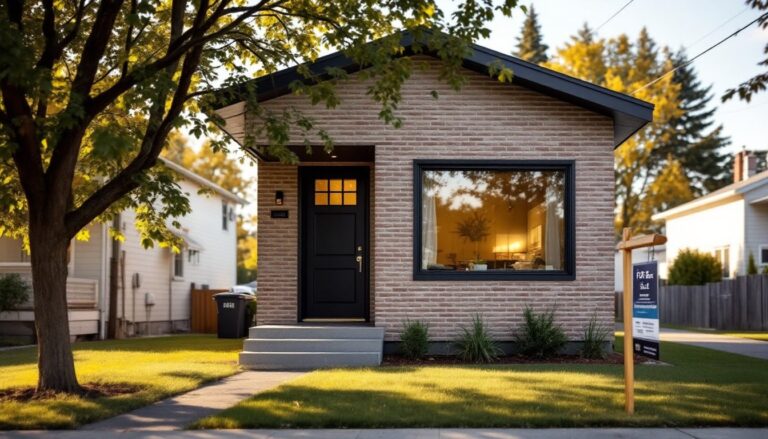
Tiny homes pack maximum style and function into minimal square footage, and the photos prove it. Whether you’re planning a downsized lifestyle, designing a compact retreat, or simply hunting for smart storage hacks, real tiny home photography offers concrete inspiration that goes beyond Pinterest wishes. This guide walks you through the design principles, spatial tricks, and material choices that make tiny homes visually stunning and genuinely livable. You’ll discover how successful builders and designers handle the unique challenges of small-space living, and where to find the best design inspiration to fuel your next project.
Table of Contents
ToggleKey Takeaways
- Vertical storage, lofted sleeping areas, and strategic placement of built-in solutions are the core design principles that make tiny homes both visually stunning and functional in incredible photos.
- Light-colored walls, large windows, and natural lighting are non-negotiable for making small spaces feel open and spacious in tiny home design.
- Multi-functional furniture like platform beds with storage, rolling islands, and fold-down tables maximize usable square footage while maintaining a clean aesthetic in tiny homes.
- Consistent color palettes with neutral backgrounds and strategic accent colors (limited to throws, one wall, or hardware) create visual calm and prevent tiny home interiors from feeling cluttered.
- Efficient kitchen and bathroom designs using compact appliances, floating vanities, glass shower enclosures, and recessed shelving prove that small spaces don’t require compromises on style or functionality.
- Professional platforms like Dwell, Homify, and curated tiny home archives provide real design inspiration and connect homeowners with architects and builders who understand the spatial logic behind award-winning tiny home photos.
What Makes Tiny Homes So Visually Stunning
Tiny homes look impressive in photos because they’re intentional. Every element serves a purpose, and there’s no room for visual clutter or wasted space. The best tiny home designs rely on clean lines, strategic vertical storage, and a cohesive material palette that makes small rooms feel open and breathable.
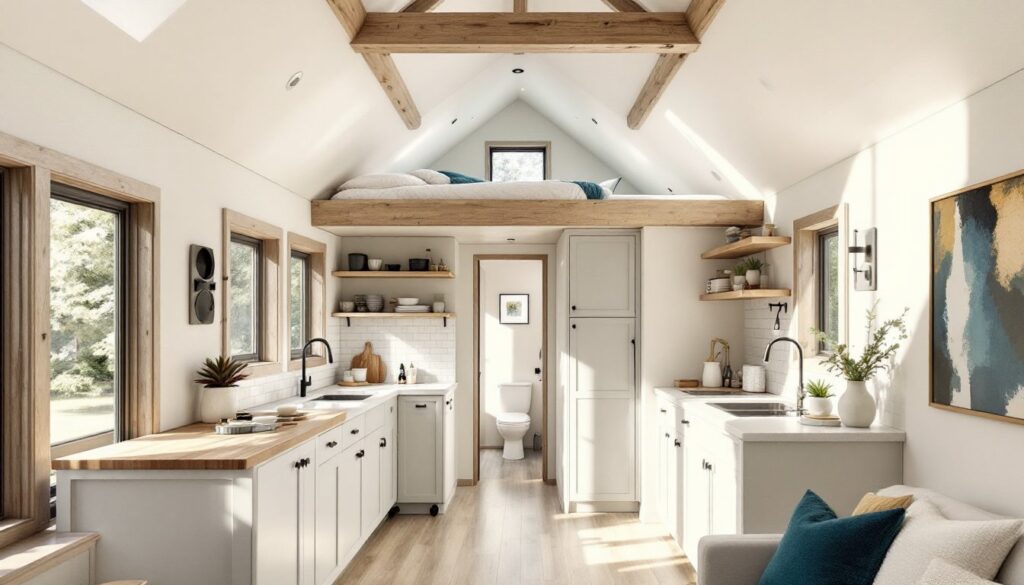
Vertical thinking is non-negotiable. Rather than spreading items across a floor, designers stack and mount everything, shelving, cabinets, and even beds. A lofted sleeping area immediately doubles usable ground space while creating visual interest. Light-colored walls and ceilings combined with large windows amplify natural brightness, making interiors feel less cramped.
Material authenticity matters. Exposed wood beams, reclaimed siding, or natural stone accents give tiny homes character and warmth without bulk. Vaulted or cathedral ceilings, common in A-frame and cabin-style tiny homes, draw the eye upward and create a sense of spaciousness that photogs love. When you A-Frame Tiny Homes: Discover, you’ll see how ceiling height transforms the entire perception of scale.
Consistency in design language is what separates magazine-worthy tiny homes from cluttered ones. Matching hardware, coordinated cabinet finishes, and a limited color story create visual calm. Open shelving showcases carefully curated items rather than hiding everything away, turning storage itself into decor.
Clever Storage Solutions Photographed in Real Tiny Homes
Storage is the hero of every stunning tiny home photo. Built-in solutions, under-bed drawers, pull-out pantries, wall-mounted racks, and corner carousels, vanish clutter while maximizing usable volume. Photos reveal how strategic storage placement becomes an architectural feature rather than an eyesore.
Flooring itself can hide storage. Shallow drawers built into floor joists under a main living area slide out for seasonal items or extra bedding. Stairs with hinged treads open to reveal cubbies underneath. These aren’t shortcuts: they’re legitimate space-saving methods that carpenters use in every price range.
Vertical wall storage dominates tiny home design. Floor-to-ceiling cabinetry along one wall instantly creates a library-like quality while storing 10 times more than a traditional dresser. Pegboards, magnetic strips, and rail systems keep cooking tools, craft supplies, and office gear both accessible and visually organized.
Multi-Functional Furniture That Transforms Spaces
Furniture that serves dual purposes appears constantly in Tiny Home Storage Secrets:. A sofa with hidden storage beneath the seat, an ottoman that opens to reveal quilts, or a dining table with fold-down leaves all compress living requirements into fewer items.
Bed frames with built-in shelving, headboards with magazine racks, and nightstands that integrate into wall-mounted desk systems blur the line between furniture and architecture. Platform beds with under-bed storage compartments are standard in professional tiny home builds: they’re practical and photograph brilliantly.
Lofted spaces create opportunity. A bed elevated 4 to 5 feet overhead (with proper clearance, typically 3 feet minimum between mattress and ceiling for safety and comfort) frees ground floor square footage for a work area, seating, or expanded kitchen. This vertical stacking is perhaps the single most effective tool in tiny home design.
Kitchen and Bathroom Design Ideas From Tiny Home Showcases
Kitchens in tiny homes are surgical in their efficiency. Compact appliances, 24-inch refrigerators, 30-inch ranges, 18-inch dishwashers, fit standard cabinetry without custom builds. Corner carousels and pull-out spice racks maximize dead zones. Open shelving displays everyday dishes while keeping the visual weight light.
Smart countertop use is critical. A butcher-block island on casters rolls out for meal prep and tucks beside a wall when not in use. Fold-down tables extend from the wall for dining, then collapse to create open floor space. Backsplash tile (subway or small-format) runs to the ceiling to enhance the sense of height and make cleaning easier.
Bathrooms in inspiring tiny home photos typically feature one of two strategies: a full bathroom at 5 feet by 8 feet with all essentials, or a smaller half-bath paired with an outdoor shower (in warm climates). Floating vanities and wall-mounted toilets clear the floor and make the space feel less cramped. A single-lever faucet reduces visual clutter compared to two-handle designs.
Shower enclosures matter more than you’d think. A glass enclosure with minimal framing keeps sightlines open, while a solid shower curtain can feel cave-like in a small bath. Many tiny homes skip the tub entirely, opting for a spacious walk-in shower that photographs well and genuinely functions better in tight quarters. Recessed shelving in shower walls holds toiletries without adding bulky caddies.
Color Palettes and Lighting That Make Tiny Spaces Feel Larger
Light and neutral backgrounds are foundational to tiny home aesthetics. Soft whites, creams, warm grays, and pale wood tones form the canvas: bold accent colors appear only in small doses (a throw pillow, a single wall, kitchen hardware). This approach keeps visual busyness minimal and allows natural light to bounce around freely.
Lighting design separates exceptional tiny homes from cramped ones in photographs. Overhead ambient lighting from recessed fixtures or a slim flush-mount keeps ceilings low and non-intrusive. Task lighting under kitchen cabinets, around mirrors, and at reading nooks makes the space genuinely functional for evening use. String lights, strategically placed, add warmth without screaming “I’m making my tiny home cozy”, they’re just there.
Natural light is non-negotiable. Large windows, even on short wall sections, flood interiors with daylight and create the illusion of more square footage. Skylights above lofted sleeping areas or in cathedral ceilings draw attention upward. Sheer or no window treatments maximize light penetration: blackout options are installed on shades or shutters that hide when not in use.
Color accents work best as intentional focal points. A jewel-tone accent wall, colorful cabinetry in the kitchen, or a bold tile feature in the bathroom add personality without making the space feel fragmented. Coordinating textiles, throw blankets, cushions, rugs, pull accent colors throughout without adding visual weight. When browsing design galleries on Houzz, you’ll notice that award-winning small spaces rarely exceed three primary colors plus neutrals.
Where to Find Incredible Tiny Home Design Inspiration
Professional photography showcases real tiny homes in their best light, and several platforms specialize in curated inspiration. Dwell’s exterior small home and tiny home design photos pull together modern and minimalist designs from builders and architects worldwide. You’ll see how exterior finishes, decking, and landscaping contribute to the overall aesthetic.
Homify features global tiny home projects with full interior galleries, room-by-room breakdowns, and architect profiles. You can filter by style (modern, rustic, Scandinavian, etc.), see before-and-after transformations, and often find contact info for the designers behind standout projects. Many professionals on these platforms offer consultations and can advise on material choices and layout optimization.
The Tiny Homes Archives and related deep dives into specific styles like Craftsman Tiny Homes: Discover provide curated collections with expert commentary. These resources combine photos with practical guidance on layout, materials, and cost considerations.
For those shopping for ready-made tiny homes, Tiny Homes with Land and Tiny Home Trailer: Discover show production designs in actual settings. You’ll see how manufacturer finishes, color options, and layout choices play out in real neighborhoods and terrains. Local markets also matter: Tiny Homes for Sale reveals regional architectural styles and material preferences that suit specific climates.
Conclusion
Incredible tiny home photos aren’t just about aesthetics, they document real solutions to real constraints. Vertical storage, multi-functional furniture, intentional color choices, and thoughtful lighting transform small spaces into places people genuinely want to live. Whether you’re building, buying, or simply gathering ideas, study the proportions, material choices, and spatial logic behind the homes you admire. The best tiny home designs feel generous even though their footprint because every decision serves both beauty and function.