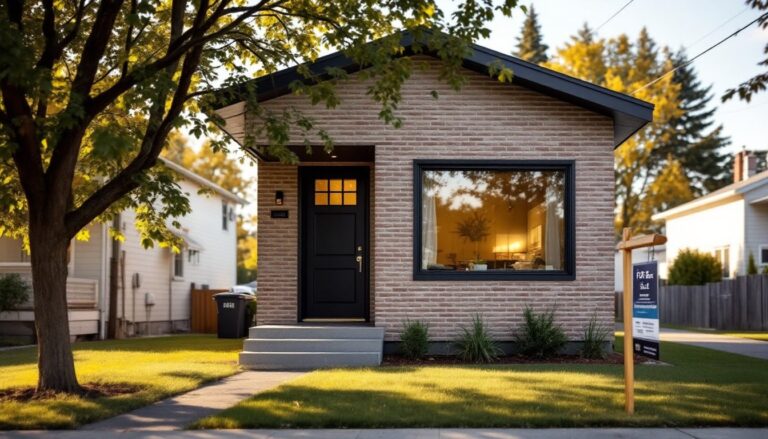

Tiny <a href="https://fallbrookchamber.com/tiny-homes-with-land-for-sale/”>homes have revolutionized the way people think about residential space, and adding a garage elevates their practicality even further. A garage in a tiny home isn’t just a parking spot, it’s a multi-functional asset that can serve as workshop space, storage, or even a rental opportunity. Whether you’re considering building a tiny home with an integrated garage or retrofitting an existing structure, understanding the design options and planning considerations is essential. This guide walks through the benefits, styles, and practical strategies for incorporating a garage into your tiny home, helping you maximize both functionality and livable square footage in 2026.
Table of Contents
ToggleKey Takeaways
- Tiny homes with garage designs free up interior living space while providing vehicle protection, storage, and potential rental income through ADUs.
- Popular garage styles include carports (most affordable), single-car garages (12-by-20 feet standard), garage-under designs (maximizing lot coverage), and oversized RV garages for specialized equipment.
- Space-saving features like wall-mounted storage, overhead racks, fold-down workbenches, and proper insulation transform your garage into a multi-functional workshop or climate-controlled living space.
- Attached garages reduce construction costs and site coverage, while detached garages offer design flexibility and phased building—choose based on lot size, zoning setbacks, and timeline.
- Before building, obtain zoning permits, verify setback requirements, check frost-line specifications for your region, and hire licensed contractors for electrical and structural work to ensure safety and compliance.
- A basic single-car garage typically costs $24,000–$72,000 installed depending on region and finishes, with proper planning and code compliance ensuring long-term functionality and resale value.
Why Add a Garage to Your Tiny Home
A garage solves one of the biggest challenges tiny homeowners face: storage and vehicle security. Tiny homes are designed to minimize footprint, which means every square inch of the main structure counts toward living space. Pushing parking outside the home’s envelope frees up that square footage for bedrooms, kitchens, or workshops inside.
Vehicle protection is another practical win. Weather, UV exposure, and security concerns make covered parking valuable, especially if your tiny home sits on a rural lot or in an area with harsh winters. A garage also adds resale appeal, buyers recognize that covered parking represents genuine utility.
Beyond vehicles, a garage becomes a workshop hub. Woodworking, tool storage, hobby projects, and seasonal gear all benefit from a dedicated, climate-controlled space separate from your living quarters. Many tiny home owners also rent out garage space to neighbors or use it as an accessory dwelling unit (ADU), a legal rental cottage, creating passive income. Before pursuing an ADU approach, check your local zoning ordinances: regulations vary significantly by jurisdiction, and some require formal permitting.
Popular Tiny Home Garage Styles and Designs
Modern tiny home garages follow several established design patterns, each with trade-offs in cost, footprint, and accessibility.
Carport Designs are the most affordable entry point. A simple open-sided structure with a roof protects vehicles while minimizing material costs and construction time. Carports work well in dry climates but offer no climate control or security. They also take up less lot coverage, making them ideal for properties with tight zoning restrictions.
Single-Car Garages are the standard choice. A 12-by-20-foot single-car structure accommodates most vehicles and leaves room for a workbench or shelving. This footprint aligns with standard garage-door sizing (9 feet wide by 7 feet tall for residential doors), making material sourcing straightforward.
Garage-Under Designs integrate the garage beneath a second story, using the roof space for a studio, office, or loft above. This stacked approach is popular in Craftsman Tiny Homes: Discover and modern prefab builds because it maximizes usable lot coverage while maintaining a compact overall footprint. Load-bearing calculations become critical here, consult an engineer before designing a second-story addition above a garage.
RV Garages and Equipment Storage are oversized (16-by-30 feet or larger) and serve owners with travel trailers, motorcycles, or significant tool collections. These sacrifice some livable space but offer unmatched versatility.
Attached vs. Detached Garages
Attached garages share a wall with the tiny home, reducing site coverage and construction costs (one fewer exterior wall to frame and finish). They also enable a climate-controlled transition from house to vehicle, useful in cold regions. The downside is shared noise and potential fume penetration if ventilation is poor.
Detached garages sit separate from the main structure, offering independence in timing and design. They’re ideal if you want to phase construction (build the home first, add the garage later) or if local codes restrict building footprint. But, detached structures mean additional foundation costs and longer walks in bad weather.
Both approaches work, choose based on lot size, local zoning setback requirements, and your budget timeline.
Space-Saving Garage Features for Compact Living
Since every square foot matters in tiny home design, strategic garage features compound your functionality without expanding the structure.
Wall-Mounted Storage and Pegboards are your first line of defense. Heavy-duty wall-mounted racks for tools, bikes, and seasonal items keep the floor clear. Pegboard systems are affordable and modular, you can reconfigure them as needs change. Mount shelving at least 48 inches above floor level to keep the space visually open and allow equipment movement.
Overhead Storage Racks (ceiling-mounted pulleys or platforms) store rarely used items, holiday decorations, spare bedding, camping gear, without consuming wall space. Rated platforms can hold 500–1000 pounds depending on joist spacing. Measure your joist depth (typically 2×8 or 2×10 lumber) and verify they’re spaced 16 inches on center before installation. If unsure, hire a carpenter to assess load capacity.
Fold-Down Workbenches and Desks are garage game-changers. A hinged workbench that folds against the wall when not in use saves 20+ square feet of daily floor space. Wall-mounted options are sturdier than freestanding benches and can handle repetitive project work.
Insulation and Climate Control aren’t always prioritized in garages, but in harsh climates they’re worth the investment. Spray foam insulation in walls and ceiling prevents moisture damage to stored items and makes the space usable year-round. A small space heater or exhaust fan keeps temperatures in a livable range. Ensure any heating device is rated for garage use and follow manufacturer spacing requirements (typically 3 feet from combustible materials).
Multi-Purpose Garage Solutions
One of the smartest moves in compact living is using the garage for dual purposes. An architect’s budget breakdown for a garage-to-ADU conversion shows that thoughtful design can yield a fully functional guest space without requiring an entirely separate building.
Guest Suites or ADUs are the highest-value option if local codes permit. A separate entrance, kitchenette, bathroom, and sleeping area transform the garage into a rental unit or guest retreat. This requires plumbing and electrical upgrades, plus zoning approval, so don’t underestimate permitting complexity, most jurisdictions require a licensed contractor and building inspector sign-off.
Home Gyms pair well with garages because of noise isolation and natural airflow. A 10-by-12-foot section of a single-car garage comfortably fits basic equipment. Epoxy flooring protects concrete from dropped weights and is easy to clean.
Maker Spaces and Woodworking Shops need proper ventilation and dust control. A shop vac with a remote switch, air filtration system, and adequate electrical outlets (at least two dedicated 20-amp circuits for tools) are baseline requirements. Many DIYers underestimate electrical needs, consult the National Electrical Code (NEC) for tool amp ratings and circuit sizing if you’re unfamiliar.
Vehicle Maintenance Bays require floor drainage, ramps or lifts, and good ventilation to handle fumes. If you plan to run any business from the garage, detailing, repairs, rentals, verify that local zoning allows commercial activity on residential property. Many municipalities prohibit business use in residential zones without a conditional-use permit.
Planning and Building Your Tiny Home Garage
Before breaking ground, nail down the fundamentals: lot constraints, local codes, and realistic budget.
Site Planning and Permits come first. Visit your local building department and request zoning requirements, setback distances from property lines, maximum lot coverage, height restrictions, and whether garages trigger additional requirements (parking ratios, drainage, HOA approval). Building permits typically cost 0.5–1% of total project cost and protect you legally and financially.
Measure your usable lot space carefully. A single-car garage needs at least 12 feet wide (door opening) by 20 feet deep (vehicle length plus maneuvering room), plus any setback buffer your code mandates. Attached garages reduce setback constraints because they’re part of the home’s footprint: detached structures often have stricter separation rules.
Foundation and Framing Decisions define durability and cost. Concrete slabs are the standard garage floor, they’re economical, durable, and level. A 4-inch slab on compacted gravel with proper slope (1/8-inch drop per foot) prevents water pooling. If you’re in a freeze-thaw climate, frost-protected shallow foundations or a deeper frost line footing prevent heaving. Check your local IRC (International Residential Code) frost depth table for your region: ignoring this step leads to cracking and settling in year two or three.
Walls are typically 2×4 or 2×6 framing (2×4 is standard: 2×6 allows for thicker insulation). Roof pitch affects snow load and water shedding, 4:12 (4 inches of rise per 12 inches of run) is common in northern regions: 3:12 works in drier areas. Your builder directory can provide templates and examples from similar builds in your region.
Materials and Cost Factors vary widely. A basic single-car garage shell (framed and roofed, no finish or systems) runs $100–$200 per square foot, depending on region and materials. Adding insulation, drywall, electrical circuits, and a garage door pushes costs toward $200–$300 per square foot. A 240-square-foot structure might cost $24,000–$72,000 installed, depending on scope and location. Labor shortages and supply chain fluctuations affect final pricing: get multiple bids and verify that contractors are licensed and insured.
Electrical and Safety requirements are non-negotiable. A garage needs at least one dedicated 20-amp circuit for tools and lighting (two circuits is better). Install GFCI-protected outlets in any location within 6 feet of a door or water source. Adequate ventilation, whether passive (windows) or active (exhaust fan), removes fumes and humidity. If you store flammable materials, follow EPA storage guidelines and maintain clearance from ignition sources. Smoke and carbon monoxide detectors are required in most jurisdictions: wire them to the home’s alarm system if possible.
Consider hiring a licensed electrician and general contractor if framing or systems work is unfamiliar. A poorly installed panel or missed outlet can cost more to repair later than it cost to hire a pro upfront.
Conclusion
Adding a garage to a tiny home transforms it from a minimalist dwelling into a practical, versatile property. Whether you choose an attached single-car structure, a detached carport, or a multi-purpose space, thoughtful planning and code compliance ensure your investment pays dividends in functionality, resale value, and lifestyle flexibility. Start with site measurements and local permitting requirements, they’re the foundation of every successful build. From there, choose a design that fits your lot and long-term vision, and don’t cut corners on foundation, framing, or electrical work. Your future self will thank you.