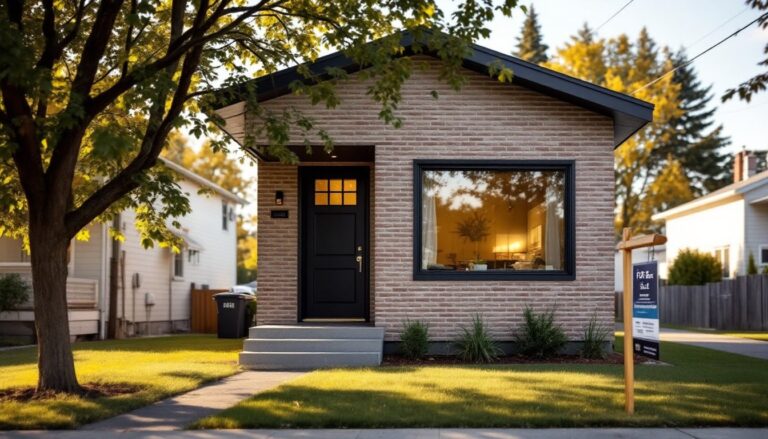
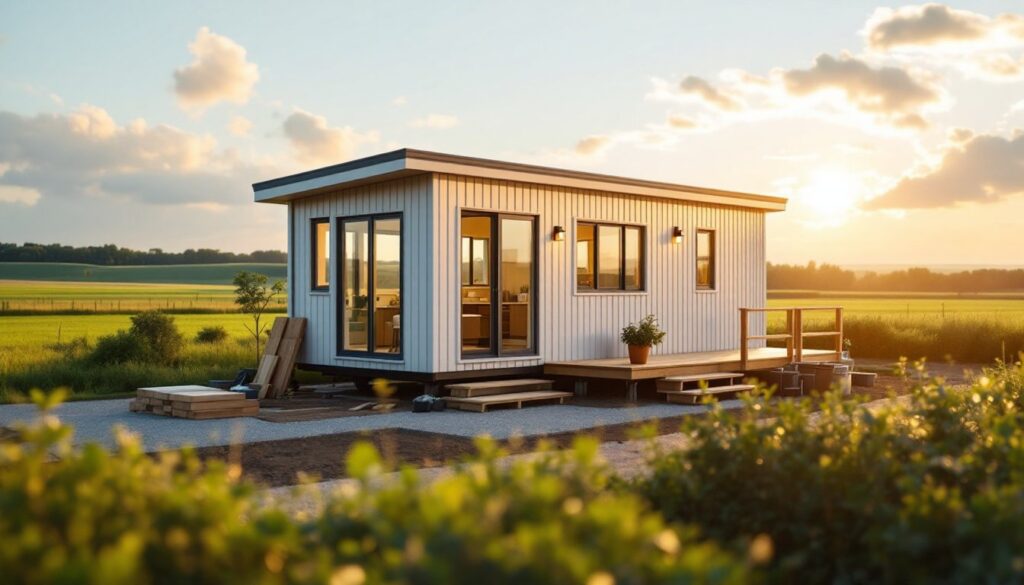
Building a tiny house has become an attractive option for homeowners seeking affordability, sustainability, and minimalist living. But what’s the real price tag on this dream? Tiny house construction costs have shifted significantly since 2024, influenced by material availability, labor rates, and design complexity. Whether you’re considering a compact on-foundation build or a mobile tiny home on a trailer, understanding your budget is the first step. This guide breaks down the 2026 costs so you can plan realistically and avoid surprises when construction begins.
Table of Contents
ToggleKey Takeaways
- Tiny house construction costs typically range from $30,000 to $80,000 in 2026, with location, size, and materials significantly influencing the final price tag.
- Labor costs account for 30–50% of your budget, but DIY work on non-structural tasks like painting and finishing can reduce expenses by 15–30%.
- Location matters enormously—rural areas are considerably cheaper than urban centers, where permitting, land prices, and labor rates are steeper.
- Selecting a smaller footprint and using standardized pre-made plans can substantially lower building costs compared to custom architectural designs and larger square footage.
- Structural work including foundation installation, electrical systems, and plumbing must be handled by licensed professionals, so prioritize quality in these areas over cosmetic upgrades.
- Specialized financing options like personal loans, construction loans, and RV financing are available for tiny homes, though traditional mortgages often present challenges due to perceived higher risk.
Average Tiny House Building Costs
In 2026, a modest tiny house typically costs between $30,000 and $60,000 to build on a fixed foundation, while higher-end custom builds can run $80,000 to $150,000 or more. Mobile tiny homes on trailers often land in the $35,000 to $80,000 range, depending on trailer quality and interior finishes.
These figures assume you’re hiring contractors for most or all work. If you DIY portions of the project, framing, interior finishing, landscaping, you can cut costs by 15–30%. But, structural work like foundation installation, electrical systems, and plumbing typically require licensed professionals and permits, so savings aren’t unlimited.
The most affordable tiny houses fall in the $25,000 to $45,000 bracket and usually feature basic materials, open floor plans, and standard finishes. Mid-range homes with quality insulation, modern fixtures, and some customization run $50,000 to $80,000. Luxury or highly specialized builds, think off-grid systems, premium wood finishes, or complex architectural features, easily exceed $100,000.
Location matters enormously. Building in rural areas typically costs less than urban centers, where land prices, permitting complexity, and labor rates are higher.
Factors That Impact Your Total Budget
Size, Design Complexity, and Materials
Tiny houses range from 200 to 400 square feet, and every additional square foot adds material and labor costs. A 200-square-foot build costs considerably less than a 350-square-foot design. Vaulted ceilings, loft spaces, and open-concept layouts sound appealing but require more structural planning and engineering.
Material selection drives costs up or down sharply. Standard framing lumber, basic drywall, and vinyl flooring keep costs down. Upgrading to reclaimed wood, structural insulated panels (SIPs), or premium exterior cladding like fiber cement board or metal roofing inflates the budget. Foundation type matters too: concrete slab-on-grade is cheaper than a full basement, but any foundation work demands a licensed contractor and site preparation.
Insulation quality directly affects long-term utility costs. Builders often skimp here to save upfront, but proper R-value ratings (typically R-15 to R-21 for walls, R-30+ for ceilings in most climates) are worth the initial investment. Poor insulation means higher heating and cooling bills forever. Many people building tiny homes on a budget use standard fiberglass batts and air-sealing, which is perfectly adequate if done right.
Labor, Location, and Customization
Labor typically accounts for 30–50% of total build costs. Hiring a contractor or general contractor costs more than managing individual trades, but saves time and coordination headaches. DIY-friendly tasks like painting, simple carpentry, and demolition can reduce labor expenses if you have the skills. But, HVAC installation, electrical wiring, and plumbing code compliance are non-negotiable professional work in nearly all jurisdictions.
Location is crucial. Building in Tennessee or rural Colorado costs less than constructing in California or Massachusetts, where labor rates and permitting fees are steeper. Property costs also factor in: a tiny home on inexpensive land is far more affordable than one on pricey urban parcels. If you’re exploring tiny homes for sale in Tennessee or tiny homes Colorado, land availability and local contractor rates vary significantly.
Customization drives costs up linearly. Standard finishes, basic cabinetry, laminate countertops, standard paint, keep expenses low. Custom built-ins, designer kitchens, and specialized storage solutions add $5,000 to $25,000 depending on complexity. Loft stairs, fold-down furniture, and multi-use spaces require planning and often custom fabrication.
Permitting and inspections are often underestimated. Many jurisdictions charge $500 to $3,000+ for permits, depending on local codes and project scope. Some areas have vague tiny house regulations, which can delay approvals or require costly design modifications to comply.
Financing Your Tiny House Project
Traditional mortgages for tiny houses can be tricky. Most banks require a minimum loan amount and view tiny homes as higher-risk investments, especially if they’re mobile. But, options exist:
Personal loans or home equity lines of credit often work well for smaller projects. Interest rates vary, but approval is typically faster than a construction loan. Construction loans from banks or credit unions are available but usually require a larger down payment (25–30%) and carry higher interest rates than standard mortgages.
RV financing applies to mobile tiny homes on trailers, treating them similarly to travel trailers. Rates are often 2–4% higher than traditional mortgages, and loan terms are shorter (10–15 years vs. 30 years).
If you’re starting from scratch, save a 25–30% down payment upfront. This reduces your loan amount, improves approval odds, and lowers total interest paid. Some builders and lenders now offer specialized tiny home financing packages, so shopping around is worth your time.
Granting yourself realistic timelines matters too. Most tiny houses take 4–8 months to build if contractors work full-time, plus additional time for permitting and final inspections. Unexpected delays, weather, material shortages, or code corrections, can stretch projects and increase carrying costs.
Ways to Reduce Construction Costs
Buy land affordably or minimize land costs. If you own land already, you’re ahead. If not, rural areas and regions with zoning flexibility offer cheaper options. Some communities allow tiny homes as ADUs (accessory dwelling units) on existing residential property, which bypasses separate land acquisition.
Choose a smaller footprint. A 250-square-foot home costs significantly less to build than 350 square feet. Vertical space (lofts, tall ceilings) can make small spaces feel roomy without adding floor area.
Standardize your design. Pre-made tiny house plans cost $500–$2,000 and eliminate custom architectural fees (typically $1,000–$5,000+). Repeatable designs also allow builders to work efficiently, reducing labor hours. Many tiny home builders offer proven designs that keep costs predictable.
Handle demolition, interior finishing, and landscaping yourself. These are labor-intensive but don’t require specialized licenses. Sweat equity here can save $5,000–$15,000. Leave structural work, electrical, plumbing, and HVAC to professionals.
Source materials strategically. Buy lumber during off-season (winter), purchase fixtures and finishes from suppliers rather than big-box retailers for bulk discounts, and reclaim materials when possible. One designer sourced reclaimed wood for $1 per board-foot versus $4 for new, saving thousands.
Consider a trailer-based build if mobility appeals to you. Mobile tiny homes on trailers sometimes cost less because foundation work is eliminated, though trailer quality affects final price. If you’re interested in this route, tiny home trailers and tiny homes with land for sale give you flexibility.
Skip luxury finishes upfront. Install basic cabinetry and finishes initially, then upgrade over time as your budget allows. Paint, hardware, and fixtures are easier to replace later than structural elements. Resources like HomeAdvisor’s cost estimator and construction cost guides help prioritize spending. Some builders even offer phased construction, spreading costs across multiple years.
Conclusion
Building a tiny house in 2026 requires balancing ambition with budget reality. Most realistic builds fall between $30,000 and $80,000, with significant variation based on size, location, materials, and labor. Start by setting a firm budget, securing financing, and consulting local zoning regulations before breaking ground. Work with reputable contractors, prioritize structural quality over cosmetic finishes, and be honest about which tasks you can DIY. With careful planning and smart decisions, a tiny house can deliver the affordable, sustainable lifestyle you’re seeking.