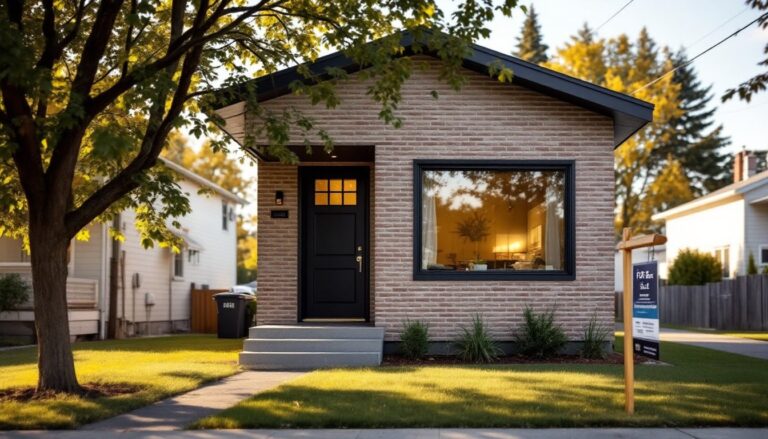

Buying a house can feel like a game of Monopoly—exciting yet slightly terrifying. One moment you’re dreaming of a cozy living room, and the next, you’re buried under a mountain of paperwork and mortgage jargon that sounds like a foreign language. Fear not! With the right advice, this rollercoaster ride can turn into a smooth journey toward homeownership.
Table of Contents
ToggleUnderstanding the Home Buying Process
Navigating the home buying process requires knowledge and organization. With clear steps and a grasp of essential terms, homeownership becomes an achievable goal.
Steps to Buying a House
- Assess financial readiness: Determine budgets and explore mortgage pre-approval options.
- Research neighborhoods: Investigate areas that align with preferences for schools, amenities, and commutes.
- Hire a real estate agent: Engage with a professional who understands market dynamics and negotiation tactics.
- Visit properties: Attend open houses or schedule viewings to evaluate homes in person.
- Make an offer: Submit a competitive offer based on market analysis and property condition.
- Complete inspections: Schedule inspections to identify potential issues before closing.
- Finalize financing: Work with a lender to secure a mortgage based on the finalized offer.
- Close the deal: Sign necessary documents and finalize payment to officially purchase the home.
Key Terms to Know
- Closing costs: Fees associated with finalizing the purchase, often ranging from 2% to 5% of the loan amount.
- Escrow: A neutral third party that holds funds and documents until the transaction completes.
- Pre-approval: A lender’s conditional commitment detailing how much they are willing to lend based on financial information.
- Equity: The homeowner’s stake in the property, calculated by the home’s current value minus mortgage balance.
- Home inspection: An evaluation of a property’s condition that can uncover potential problems.
- Contingency: Conditions in a purchase agreement that must be met for the sale to proceed, such as financing or inspections.
Financial Considerations
Buying a house involves significant financial aspects that demand careful planning. Understanding these considerations paves the way towards successful homeownership.
Budgeting for Your Home Purchase
Budgeting for a home purchase starts with determining a comfortable monthly payment. Calculate anticipated monthly expenses, including mortgage, property taxes, and insurance. A standard recommendation is to keep housing costs below 28% of monthly income. Factor in maintenance costs and utility bills as well. Setting aside emergency funds provides additional security during ownership. Establishing a down payment amount strengthens financial readiness as well. Aim for at least 20% to avoid private mortgage insurance. Lastly, use budgeting tools for tracking expenses, ensuring clarity and control.
Financing Options Available
Exploring financing options is critical in the home buying process. Fixed-rate mortgages offer predictable payments over time, providing stability. Adjustable-rate mortgages may provide lower initial rates but carry risks of future increases. Government-backed loans, such as FHA or VA loans, cater to specific buyer needs and may require lower down payments. Additionally, first-time homebuyer programs often provide financial assistance or grants. Consulting with a mortgage lender offers insights into available options tailored for individual circumstances. Understanding each financing type enables informed decisions aligned with financial goals.
Choosing the Right Location
Finding the right location plays a crucial role in the home buying process. Evaluate neighborhoods based on several key elements.
Factors to Consider in a Neighborhood
Safety rates significantly affect your living experience. Research crime statistics and community policing efforts. Nearby schools also influence location desirability. Homebuyers should examine school district ratings and proximity to educational institutions. Access to amenities increases convenience and lifestyle satisfaction. Look for grocery stores, parks, public transportation, and recreational areas within reach. Additionally, consider the neighborhood’s demographic trends. Understanding them offers insights into community stability and growth potential.
Importance of Location for Resale Value
Location directly impacts a property’s resale value. Homes in sought-after areas typically appreciate faster. Examine market trends and neighborhood popularity. Proximity to urban centers usually enhances appeal, attracting buyers who prioritize convenience. Future developments in the area can raise property values. Staying informed about planned infrastructure or commercial projects matters. Understanding these aspects helps ensure your investment remains sound over time. Securing a home in a desirable location supports long-term financial goals.
Home Inspection and Appraisal
Home inspections and appraisals are crucial steps in the home buying journey. They focus on ensuring the property’s condition and determining its market value.
What to Expect During Home Inspections
Home inspections evaluate the condition of a house, identifying significant issues before purchase. Expect professionals to assess structural integrity, plumbing, electrical systems, and roofing. Inspectors provide detailed reports highlighting problems and suggesting necessary repairs. Buyers should attend the inspection to ask questions and learn about the home’s maintenance needs. Prioritize understanding the property’s condition to avoid unexpected costs later.
Understanding the Appraisal Process
Home appraisals determine a property’s market value, primarily for lenders. Expect licensed appraisers to assess factors like location, condition, and recent sales of similar homes. They provide a formal report used by lenders to ensure the sale price aligns with market standards. Buyers benefit from knowing the appraisal can influence loan approval and affect negotiations. Understanding this process helps buyers make informed financial decisions, safeguarding their investment.
Making an Offer and Closing the Deal
Navigating the final stages of buying a house involves making a competitive offer and understanding the closing process. These steps play a crucial role in securing a home successfully.
Tips for Making a Competitive Offer
Craft a compelling offer by researching recent sales in the neighborhood. Assess the home’s value based on comparable properties. A strong offer often includes a personalized letter expressing interest in the home. Make sure to present a flexible closing date, accommodating the seller’s timeline. Consider offering above the asking price if the market is competitive. Providing a larger earnest money deposit can reflect serious intent. Address contingencies with care, as fewer contingencies can make an offer more appealing.
The Closing Process Explained
Anticipate several essential steps during the closing process. After agreeing on an offer, schedule a closing date with the seller and lender. This session typically involves reviewing documents, including the Closing Disclosure that details all costs and fees. Pay closing costs, which can range from 2% to 5% of the purchase price. Obtain title insurance to protect against any legal issues. Complete a final walkthrough of the property to confirm its condition. Sign all paperwork, ensuring understanding of each document before committing. Finally, receive the keys to the new home, marking the successful completion of the transaction.
Navigating the home buying process can be both thrilling and daunting. With the right preparation and understanding of essential steps buyers can transform their experience into a rewarding journey. By assessing financial readiness and choosing the right location buyers set themselves up for long-term success.
Staying informed about market trends and engaging with professionals like real estate agents and mortgage lenders can make a significant difference. Ultimately the goal is to find a home that not only meets immediate needs but also serves as a valuable investment for the future. Embracing the process with knowledge and confidence will lead to a successful transition into homeownership.