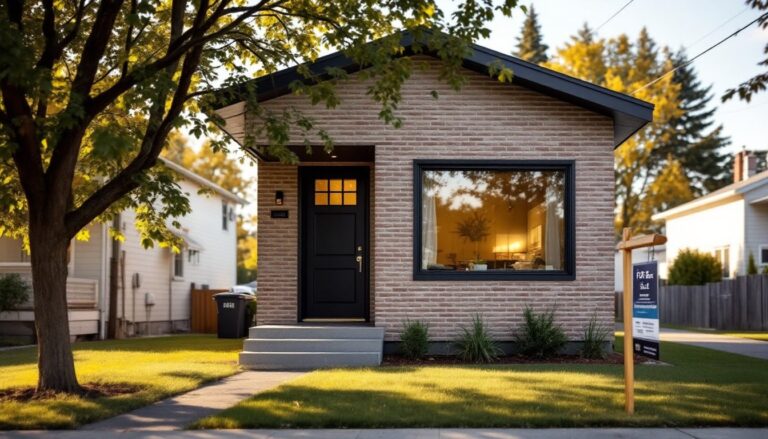

Buying a home can feel like trying to climb Mount Everest—especially when it comes to that daunting down payment. But what if there’s a secret stash of cash waiting to help you conquer the summit? Enter down payment assistance programs, the unsung heroes of homeownership. These programs are designed to give aspiring homeowners a boost, making the dream of owning a home more accessible than ever.
Table of Contents
ToggleOverview of Down Payment Assistance Programs
Down payment assistance programs provide crucial support for homebuyers facing financial barriers. Various organizations, including government agencies and nonprofits, offer these initiatives to help individuals secure funding. Programs can include grants, low-interest loans, or forgivable loans, each designed to alleviate the burden of upfront costs.
Eligibility requirements differ across programs. Income limits, credit score criteria, and property location often determine qualifying candidates. Applicants typically need to complete a homebuyer education course to increase their understanding of financial responsibilities and the homebuying process.
Many programs target specific demographics. First-time homebuyers frequently benefit from tailored assistance, while programs may also address needs of veterans, teachers, or low-income families. Local and state housing agencies often list available options in the area, making it easier for prospective buyers to find appropriate resources.
Assistance amounts vary widely, depending on factors such as program type, location, and individual financial situations. Some programs offer several thousand dollars to help cover the down payment, while others may assist with closing costs. Utilizing these benefits can significantly reduce the financial strain associated with homeownership.
Finding the right program requires research and diligence. Many resources are available online, including dedicated websites and local housing authorities, which provide comprehensive information. Homebuyers are encouraged to explore all options and consult with housing counselors for personalized advice tailored to their circumstances.
Types of Down Payment Assistance Programs
Different types of down payment assistance programs cater to various needs and circumstances of prospective homebuyers. Understanding these options ensures individuals can choose the most suitable program.
Grants
Grants provide funds that do not require repayment, making them a popular choice for first-time homebuyers. Many state or local governments offer these grants through housing agencies. Income limits generally determine eligibility, and applicants may need to demonstrate financial need. Some grants target specific groups, such as veterans or low-income families. Finding grants typically involves researching local programs and applying directly through government websites or approved agencies.
Low-Interest Loans
Low-interest loans enable buyers to finance their down payments with more manageable repayment terms. These loans usually feature rates below market levels, making them attractive options for first-time buyers. They often come from state housing finance agencies or nonprofit organizations. Applicants generally meet income restrictions and may need to demonstrate creditworthiness. Repayment terms can vary, ranging from several years to decades, allowing flexibility based on individual financial situations.
Forgivable Loans
Forgivable loans provide the unique benefit of being completely forgiven under specific conditions. These loans often require borrowers to remain in the home for a certain time frame before the debt is forgiven. Many programs offer this option to first-time buyers or those residing in designated areas. Eligibility restrictions typically apply, including income levels and property location. Participants must adhere to the terms set by the lending agency, ensuring they understand the forgiveness criteria before proceeding.
Eligibility Requirements
Eligibility for down payment assistance programs depends on several key factors, including income limits and credit score considerations. Understanding these requirements helps individuals navigate their options effectively.
Income Limits
Income limits often determine eligibility for down payment assistance programs. Local governments or nonprofits established these thresholds based on the area median income (AMI). Counties or states may set limits at 80%, 100%, or even 120% of AMI. Many programs favor low- to moderate-income individuals, offering better chances for financial support. Applicants must provide income documentation, such as pay stubs or tax returns, to verify eligibility. Specific programs may have different requirements, so thorough research into local options proves essential for potential homebuyers.
Credit Score Considerations
Credit score considerations play a significant role in qualifying for down payment assistance. Programs typically require a minimum credit score, often ranging from 620 to 660. Lower scores may limit access to certain types of assistance. Improving a credit score enhances the likelihood of program acceptance and better loan terms. Lenders or housing counselors may recommend actions like paying down existing debt or correcting inaccuracies on credit reports. Ensuring a strong credit standing remains crucial for homebuyers seeking assistance through these programs.
Benefits of Down Payment Assistance Programs
Down payment assistance programs offer various advantages for aspiring homeowners. They reduce the initial financial burden associated with purchasing a home. By providing grants, low-interest loans, or forgivable loans, these programs make homeownership attainable for many.
Accessing these programs often unlocks opportunities for first-time homebuyers, veterans, teachers, and low-income families. Eligibility criteria typically consider income limits based on the area’s median income, making these programs equitable.
Reduced upfront costs enable buyers to allocate funds toward future expenses like renovations or moving costs. Improved financial security arises from lower monthly mortgage payments when down payment requirements decrease.
Additionally, many programs don’t demand repayment for grants, simplifying the financial landscape for homeowners. Forgivable loans create potential for zero debt if the borrower resides in the home for a specified duration.
Homebuyer education courses included in many programs further equip applicants with essential knowledge. These courses enhance understanding, guiding participants through the complexities of homeownership.
Consulting housing counselors facilitates personalized program selection, ensuring that individuals find solutions tailored to their financial situations. Targeted assistance addresses specific demographics effectively, increasing access to resources for those in need.
Overall, down payment assistance programs streamline the path to homeownership, making it more accessible and manageable for a diverse range of buyers.
Challenges and Limitations
Eligibility restrictions often present a significant challenge for prospective buyers. Income limits based on area median income can disqualify many well-intentioned applicants. Potential participants typically face stringent credit score requirements, which might range from 620 to 660, adding pressure to improve their financial standing prior to application.
Awareness of program types is critical, yet complexity can confuse many individuals. Grants, low-interest loans, and forgivable loans each come with distinct regulations and conditions, necessitating thorough research to understand the implications. Misunderstanding these nuances can lead to missed opportunities for funding or misallocation of resources.
Another limitation includes geographic availability, with many programs concentrated in specific regions. Buyers in areas without robust programs may find it difficult to secure the financial support needed, illustrating the uneven distribution of resources across the country. Limited outreach efforts can further perpetuate this issue, leaving eligible buyers unaware of their options.
Some programs require completion of homebuyer education courses, which can create additional hurdles for busy individuals or families. Balancing work, family, and education can strain applicants, potentially discouraging them from pursuing assistance.
Lastly, the variability in assistance amounts can pose challenges, as not all programs provide sufficient funding to cover significant down payment costs. Individual needs often exceed what is available, leaving applicants to seek alternative financing options. Failing to navigate these challenges effectively can hinder the path to successful homeownership.
Down payment assistance programs play a pivotal role in making homeownership a reality for many individuals and families. By reducing the financial burden associated with upfront costs, these programs open doors for first-time buyers and those facing economic challenges.
While navigating the various options and eligibility criteria can be complex, the potential benefits far outweigh the hurdles. With proper research and guidance from housing counselors, aspiring homeowners can find the right assistance tailored to their needs.
Embracing these resources can lead to a more secure financial future and contribute to the dream of owning a home.