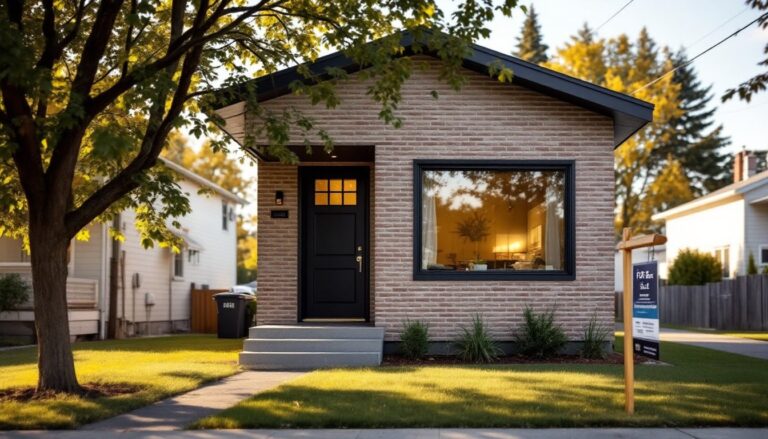

Buying a home can feel like trying to climb Mount Everest without oxygen—overwhelming and a bit daunting. But what if there’s a secret stash of oxygen tanks waiting to help? Enter down payment assistance, the superhero of homeownership that swoops in to save the day. With this financial boost, aspiring homeowners can ditch the stress and focus on what really matters: picking out that perfect shade of paint for the living room.
Down payment assistance programs are designed to make homeownership accessible for everyone, whether you’re a first-time buyer or just looking to upgrade. These programs can lighten the load, making it easier to turn that dream home into a reality. So why not explore how this financial lifeline can help unlock the door to homeownership? After all, it’s time to trade in that rent check for a mortgage and start building equity instead of someone else’s.
Table of Contents
ToggleWhat Is Down Payment Assistance?
Down payment assistance refers to financial aid programs designed to help homebuyers with their down payment. These programs can significantly reduce the amount of upfront cash needed to purchase a home. Various types of assistance exist, including grants, loans, and forgivable loans.
Grants provide funds that do not require repayment, making them particularly appealing. Low-interest loans appear as another option, typically requiring repayment over time but offering favorable terms. Forgivable loans often convert to grants if the homeowner stays in the property for a specific duration.
Eligibility for down payment assistance programs varies by location and financial situation. Income limits often apply, ensuring assistance helps those most in need. Some programs target first-time homebuyers specifically, while others support individuals looking to upgrade their living arrangements.
Many local and state housing agencies administer these programs. Partnerships with non-profit organizations also facilitate access to resources. Homebuyers can often find assistance by researching local community resources or consulting with real estate professionals.
Overall, down payment assistance plays a crucial role in making home ownership attainable. By lowering the financial barriers, these programs empower individuals to transition from renting to owning a home, encouraging stability and community investment. Exploring available options helps potential buyers make informed decisions, allowing them to focus on creating their ideal living environments.
Types of Down Payment Assistance Programs
Down payment assistance programs vary widely, offering multiple options to support homebuyers. Different types of assistance cater to diverse needs and circumstances, including federal, state, and local programs.
Federal Programs
Federal programs provide significant resources for homebuyers seeking down payment assistance. The Federal Housing Administration (FHA) offers options like Title I loans, designed to facilitate homeownership. Additionally, the USDA Rural Development program supports eligible buyers in rural areas with guaranteed loans and down payment assistance. Options like the VA loan program favor veterans and active-duty service members, enabling zero down payment. Each federal initiative targets specific groups, ensuring assistance reaches those who qualify effectively.
State and Local Programs
State and local programs offer tailored support and often align with community needs. Many state housing finance agencies (HFAs) provide down payment assistance through grants or low-interest loans. Local governments may also implement unique initiatives targeting first-time homebuyers, including matching grant programs and forgivable loans. Several municipalities establish homebuyer assistance programs, reflecting regional priorities. Exploring these local resources provides homebuyers invaluable insights and opportunities to access essential support.
Benefits of Down Payment Assistance
Down payment assistance programs offer significant advantages that promote homeownership. They provide essential financial support, making the path to homeownership more achievable.
Financial Relief for First-Time Homebuyers
Financial relief becomes evident for first-time homebuyers facing high upfront costs. Many individuals struggle with saving adequate funds for substantial down payments. Down payment assistance alleviates this burden by offering grants or low-interest loans. Buyers benefit from reduced cash requirements, enabling them to allocate funds toward other home-related expenses, such as closing costs or home inspections. Additionally, the stress of mortgage approval lessens since the assistance can enhance affordability. Local agencies resourcefully target programs towards those most in need, ensuring that access to homeownership is within reach.
Increased Homeownership Opportunities
Increased homeownership opportunities arise through down payment assistance. Programs expand eligibility by assisting low-to-moderate-income families and individuals. Various grants and loans encourage diverse communities to invest in homeownership. Access to these resources leads to improved community stability and enhanced financial security. Homebuyers may find that they can invest in properties without traditional barriers, such as steep upfront costs. This shift helps bolster overall property values, promoting vibrant neighborhoods while enabling individuals to enjoy the benefits and security of homeownership.
How to Qualify for Down Payment Assistance
Qualifying for down payment assistance programs involves meeting specific criteria. These criteria can differ significantly by location and program type.
Eligibility Requirements
Income limits play a key role in determining eligibility for assistance programs. Many programs cater specifically to low-to-moderate-income families. Additionally, first-time homebuyers often receive priority due to their financial constraints. Some programs may also require applicants to complete homebuyer education courses, ensuring they understand the process. Partners like local housing agencies and non-profits can provide updated requirements and necessary documentation.
Application Process
The application process generally starts with identifying available programs. Interested homebuyers must gather required documents, which often include pay stubs, tax returns, and bank statements. Once prepared, applicants submit their paperwork to the chosen agency or organization. Processing times vary, so it’s wise to apply well in advance of planned home purchases. Following submission, eligibility determinations can take several weeks. Maintaining proactive communication with the agency ensures applicants remain informed about their application status.
Down payment assistance programs are essential tools for aspiring homeowners. They not only reduce financial barriers but also empower individuals to achieve their dream of owning a home. By providing crucial support through grants and low-interest loans, these programs help buyers allocate funds more effectively and navigate the complexities of homeownership.
As more people explore these resources, they can find the assistance needed to transition from renting to owning. This shift not only benefits individuals but also contributes to stronger communities and enhanced financial stability. With the right information and support, homeownership becomes a reality for many who once thought it was out of reach.