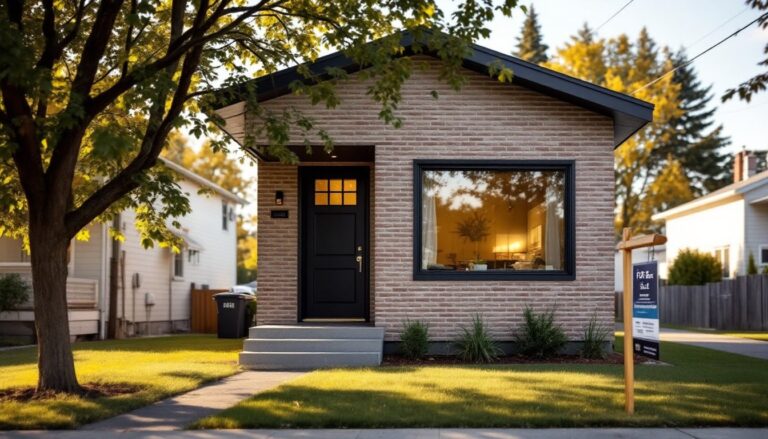

In a tiny home, every inch of floor space is currency. Most homeowners installing a loft bedroom face an uncomfortable choice: waste valuable square footage on a full staircase, or climb a ladder every night. Hidden loft stairs offer a third option, one that keeps your home functional without sacrificing layout or aesthetics. Whether you’re retrofitting an existing tiny home or building from scratch, space-saving stair designs can transform how you use vertical space while keeping the main living area uncluttered. Let’s explore practical solutions that work for real tiny houses, not just Instagram showrooms.
Table of Contents
ToggleKey Takeaways
- Hidden loft stairs reclaim 7–15% of usable floor space in tiny homes by eliminating the need for a full staircase, enabling better furniture placement and visual flow in the main living area.
- Floating stairs and under-stair storage are the most popular hidden loft stair designs, with floating stairs offering a minimalist look and under-stair storage providing functional organization for linens and seasonal items.
- Building codes require hidden loft stairs to meet International Residential Code (IRC) standards: 10-inch minimum tread depth, 7¾-inch maximum rise height, 34–38-inch handrails, and 4-inch baluster spacing for safety.
- Accurate measurement of floor-to-floor height and available run, combined with an online staircase calculator, ensures your hidden loft stair design meets code and prevents costly retrofits.
- Professional consultation from a structural engineer (typically $200–$500) is a worthwhile investment to verify load capacity, framing, and handrail requirements before installation begins.
- Material choice, proper fastening with pilot-drilled bolts, and hardwood edge banding on budget-friendly plywood treads balance cost and durability while preventing squeaking and safety hazards.
Why Hidden Loft Stairs Are Perfect For Tiny Homes
A standard residential staircase takes up roughly 27–30 square feet of floor space, plus headroom above. In a tiny home where the total footprint might be 200–400 square feet, that’s 7–15% of your usable area gone. Hidden loft stairs, whether they double as storage, fold up, or sit beneath a platform, reclaim that real estate for living, working, or sleeping.
The secondary benefit is visual flow. A compact, tucked-away stair system lets you design your main living area without a visual anchor point that dominates the room. You can place a sofa, dining table, or workspace without planning around a central staircase. This freedom to arrange is especially valuable in tiny homes where open-plan layouts are the norm.
Third, hidden stairs often improve safety and accessibility. A narrow, fixed ladder can be precarious and awkward for kids, elderly visitors, or anyone carrying laundry upstairs. A properly designed stair, even if compact, provides stable handrails, consistent tread depth, and angles that comply with building codes. Most jurisdictions follow the International Residential Code (IRC), which specifies minimum tread depth (10 inches), rise height (7¾ inches), and handrail requirements. Meeting these standards makes daily life safer and more practical.
Popular Hidden Stair Design Options
Floating Steps and Minimalist Designs
Floating stairs consist of treads cantilevered from a wall or central stringers, with minimal or no risers between steps. They’re popular in tiny homes because they look open and unobtrusive. A typical floating tread measures 10–12 inches deep (to meet IRC standards) and can be 30–48 inches wide depending on code and your layout.
The trade-off: floating stairs demand solid structural support and precision construction. Each tread must be securely anchored into a wall stud or beam that can handle the load. You’ll need to locate and reinforce the framing, often 2×6 or larger lumber, before installation. Floating stairs also require a handrail if they’re the primary means of egress, which slightly complicates the minimalist look but is non-negotiable for safety.
If you’re comfortable with basic carpentry and have solid walls to work with, plans for loft bed stairs featuring lift-top storage can guide your design. For steep or tight spaces, consider open-riser floating treads with fewer but deeper steps, reducing the visual footprint further.
Under-Stair Storage Solutions
This approach builds the staircase into a larger storage unit. The stairs themselves occupy the center or one side, while drawers, shelves, or closed cabinets fill the remaining space underneath. In a tiny home, this transforms what would be wasted dead space into functional storage for linens, seasonal items, or daily necessities.
Under-stair storage doesn’t always look “hidden” in the traditional sense, it’s more integrated or disguised. A well-built unit with clean lines and matching finishes can look like a built-in feature rather than an afterthought. Typical configurations include:
- Drawers on glides running perpendicular to the stairs (best for smaller items)
- Open shelving on one side (accessible, but needs organization to avoid clutter)
- Closed cabinet doors (keeps contents out of sight and dust-free)
- A fold-away desk or bench that tucks under when not in use
The structural challenge here is that stairs and storage share the same footprint. You’ll need to plan the stair geometry (tread depth, rise, angle) first, then design storage around it. Most DIYers find it easier to either buy modular storage units that fit the space or work with a designer for a custom build. The investment in custom joinery pays off in a multi-functional unit that feels purpose-built rather than cobbled together.
Planning Your Hidden Loft Stair Project
Before cutting a single board, measure your space precisely. You need the height from your main floor to the loft floor (floor-to-floor height), the horizontal distance you can afford to use for stairs (run), and any overhead clearance constraints. Measure twice. Then measure again.
Calculate your rise-to-run ratio. If your floor-to-floor height is 100 inches and you have 60 inches of horizontal run available, you’ll have roughly 11–12 steps with individual rises around 8–9 inches. This is steeper than a standard house staircase (which sits at 7–8 inch rises) but within code for a loft or attic stair. Use an online staircase calculator to verify your numbers before committing to a design.
Next, determine which design suits your home. Floating stairs suit modern, minimalist tiny homes with clean wall lines. Under-stair storage works better if your loft is positioned over part of your main floor (not a central roofline). A spiral staircase saves floor space but can be cramped and harder to move furniture through. A pull-down attic stair is the most compact option but feels temporary and doesn’t meet IRC requirements for permanent stairs in occupied lofts.
Permitting is often required for loft stairs, especially if the loft is your primary sleeping area. Check with your local building department early. Some jurisdictions require a permit even for renovations in owner-occupied tiny homes. Your builder or contractor can advise, but don’t assume it’s a cosmetic upgrade, loft construction usually isn’t. If your tiny home is on wheels or in an RV park, different rules may apply: that complexity often calls for a professional.
Finally, consider hiring a structural engineer or experienced builder if you’re uncertain about load capacity, handrail requirements, or framing. Stairs are high-liability projects: a failed or out-of-code stair is expensive and dangerous to retrofit. The cost of professional input upfront (typically $200–$500 for a consultation) is far less than repairing or replacing unsafe work.
Installation Tips and Building Considerations
Prep work is everything. Before assembly, confirm that the loft platform is level and that the floor below is solid and free of debris. Uneven surfaces or weak joists will cause squeaking, misaligned treads, and safety hazards. If you’re installing stairs in an existing tiny home, investigate the framing. Loft platforms are often built on 2×6 or 2×8 joists spaced 12–16 inches apart. Verify they can handle the additional load of foot traffic on the stairs, usually 40 pounds per square foot live load, per IRC.
Material choice matters. Hardwood treads (oak, maple, or pine) are durable and look finished, but hardwood costs $3–$8 per board foot. Softwood like pine is cheaper ($1–$2 per board foot) but shows wear faster on high-traffic areas. Plywood treads with hardwood edge banding are a budget middle ground and work fine if finished properly. Whatever you choose, acclimate the wood to your home’s humidity for 2–4 weeks before installation: wood moves, and gaps or squeaks show up quickly if material isn’t stable.
Handrails are not optional. IRC requires a handrail if the stair is the primary exit from a loft. Handrails must be 34–38 inches from the nosing (the front edge of the tread) and strong enough to support 200 pounds of force. A 1¼-inch-diameter wooden dowel or metal pipe works, as does a horizontal cable system in modern designs. Baluster spacing (if you’re building a railing) cannot exceed 4 inches, think of it as a “sphere rule”: a 4-inch ball shouldn’t pass through.
Fastening is critical. If you’re anchoring treads to a wall stringer, use ¾-inch bolts or lag screws rated for shear load and driven into the stud (not drywall). For under-stair storage or built-in designs, use 2½-inch pocket hole screws or structural fasteners appropriate to your joinery. Pre-drill everything: a pilot hole prevents splitting and ensures the fastener sits flush. Squeaky stairs often result from loose fasteners, so use threadlocker on bolts if you’re concerned about vibration loosening them over time.
Protect yourself during installation. Wear safety glasses when fastening overhead or cutting treads: use a dust mask if ripping lumber: and keep hearing protection handy if you’re using a chop saw or power drill for extended periods. If you’re working at height on a ladder, have someone spot you or use a harness rated for fall protection. A slip while installing stairs can result in serious injury.
Resources like Fix This Build That offer project plans and tool guidance, while The Handyman’s Daughter provides beginner-friendly tutorials on common DIY pitfalls. Both sites cover finishing and assembly best practices. For comprehensive tiny home storage planning, consult Tiny Home Storage Secrets to integrate your stairs into an overall layout that maximizes space.
Conclusion
Hidden loft stairs transform tiny homes from cramped to clever. Whether you choose floating steps, under-stair storage, or a hybrid design, the key is planning thoroughly, respecting building codes, and investing time in solid construction. Stairs fail when corners are cut or measurement assumptions are wrong, don’t be the person who has to rebuild halfway through. Start with accurate numbers, check with your local building department, and don’t hesitate to hire help if framing or structural questions arise. Your tiny home will thank you with a functional, safe, and genuinely spacious living environment.