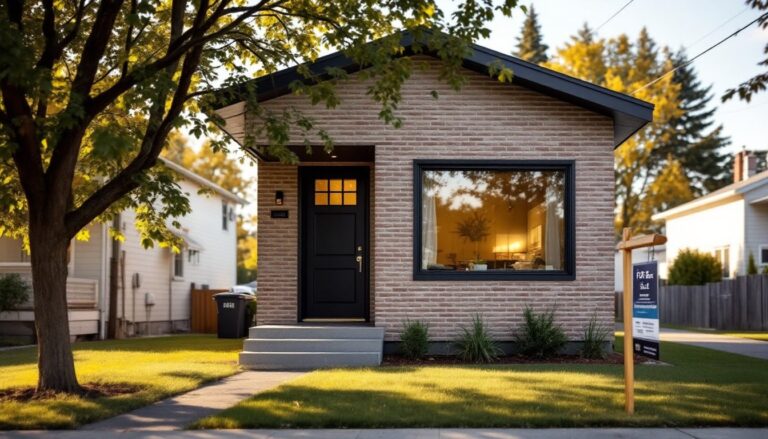

Buying a home can feel like navigating a maze blindfolded while juggling flaming torches. It’s a daunting task, but it doesn’t have to be! With the right guidance, anyone can turn that overwhelming process into an exciting adventure. Whether it’s your first time or you’re a seasoned pro looking for a new nest, this home purchase guide is here to help you dodge the pitfalls and snag the best deal.
Table of Contents
ToggleUnderstanding the Home Purchase Guide
Navigating the home-buying process requires awareness and preparation. Buyers must consider various factors that influence their decisions. Setting a budget serves as the foundation for a successful purchase. Determining affordability involves analyzing income, expenses, and potential mortgage rates.
House hunting follows budget preparation. Selecting the right location significantly impacts lifestyle and property value. Evaluating neighborhoods helps identify the best fit for personal needs and preferences. Making a list of must-have features forms the next step. Prioritizing essential amenities ensures that the chosen home meets buyer expectations.
Researching financing options is crucial. Understanding mortgage types, terms, and interest rates assists in selecting the right loan. Securing pre-approval from lenders provides clarity on budget constraints. Engaging a real estate agent simplifies the buying process. Agents offer valuable market insights and negotiation expertise.
Home inspections play a vital role in the purchase. Inspecting properties helps identify potential issues and ensures the home is in good condition. Requesting repairs or adjusting offers based on inspection findings can save buyers from unexpected costs. Closing the deal leads to the final phase. Reviewing documents and confirming all terms solidifies ownership.
Remaining informed throughout this journey leads to a successful purchase. Engaging with professionals and utilizing available resources makes the process smoother. Following these steps enhances the likelihood of securing a home that fits personal and financial goals, transforming the daunting experience into a gratifying achievement.
Key Steps in the Home Buying Process
Understanding the steps involved in buying a home enhances the overall experience. Each phase requires careful consideration to ensure a successful purchase.
Setting Your Budget
Start by evaluating income and expenses. Determine a realistic budget for monthly mortgage payments. Include property taxes, insurance, and maintenance costs in this budget. Prioritize finding a balance between desired features and financial limits. Using a mortgage calculator helps estimate monthly payments based on various interest rates. Assessing long-term financial goals adds clarity to these decisions. This preparation ensures buyers remain within their means while pursuing the perfect home.
Getting Pre-Approved for a Mortgage
Gather necessary documents such as income verification and credit history. Seek a lender who offers competitive rates and terms. Pre-approval provides a clear picture of the borrowing capacity. This step enhances credibility when making offers on homes. Understanding different mortgage types aids in selecting the right option. Having pre-approval in hand allows buyers to act quickly when they find their ideal property. Engaging early with lenders saves time and builds confidence in the home-buying process.
Choosing the Right Location
Selecting the ideal location for a home significantly impacts overall satisfaction. Many potential buyers recognize that not all neighborhoods suit their needs.
Evaluating Neighborhoods
Researching neighborhoods plays a crucial role in the home-buying process. Begin by considering the safety ratings and crime statistics relevant to specific areas. Access to quality schools often influences many families when evaluating neighborhoods. Public transportation options can enhance convenience, especially in urban settings. Investigating local amenities, such as parks and community centers, contributes to long-term satisfaction. Involving locals and consulting online reviews can provide insights into community dynamics.
Considering Proximity to Amenities
A home’s proximity to essential amenities greatly affects daily living. Buyers often look for nearby grocery stores, medical facilities, and recreational options. Access to public transportation is essential for commuters who rely on it for work. For families, proximity to schools remains a top priority. Enjoying local attractions, such as restaurants and entertainment venues, enhances lifestyle and convenience. Prioritizing these factors helps buyers find a location that aligns with their lifestyle and preferences.
Finding Your Dream Home
Buying a home involves several important choices. Location, type of home, and the right professionals play significant roles in determining the perfect property.
Types of Homes to Consider
Detached single-family homes offer spacious living, ideal for families seeking privacy. Townhouses provide a balance between individual space and community living, often with shared amenities. Condos often cater to first-time buyers, delivering lower maintenance demands and access to shared facilities. Multi-family homes present opportunities for rental income, benefiting investors and those wanting extra space for family. Each home type serves various lifestyles and needs, so assessing personal habits and preferences aids in making the best selection.
Working with Real Estate Agents
Real estate agents play crucial roles in navigating the housing market. They possess valuable local knowledge and can identify properties that fit buyer requirements. Engaging an agent simplifies complicated paperwork and streamlines negotiations, ensuring better deals. Agents also provide insights on market conditions and neighborhood trends, allowing for informed decisions. Relying on their expertise can save time and reduce stress, making the home-buying process more manageable and efficient.
Making an Offer and Negotiating
Making an offer is a fundamental step in the home-buying process. It’s crucial to base the offer on market analysis and a thorough understanding of the property’s value. Offering too low might discourage sellers, while a high offer can strain budgets.
Consulting real estate agents provides invaluable insights during negotiation. Agents can interpret market trends and advise on appropriate offer amounts. Utilizing agents’ negotiation skills often leads to better deals.
Strategically presenting offers enhances a buyer’s position. A thoughtfully crafted offer letter, highlighting the buyer’s genuine interest in the property, can sway sellers. Personal touches sometimes make an offer stand out, especially in competitive markets.
Sellers may counter the initial offer, inviting further negotiation. Being prepared for this possibility allows buyers to navigate discussions confidently. Establishing a maximum price in advance sets clear boundaries during negotiations.
Flexibility can also play a significant role. Adjusting closing dates or including contingencies can make offers more attractive. Buyers who maintain a positive, respectful demeanor can foster goodwill, aiding negotiations.
Ultimately, the closing process includes finalizing the agreement, which requires attention to detail. It’s essential to ensure all aspects of the deal align with legal and financial expectations. Prioritizing communication with lenders, agents, and sellers streamlines this phase.
Regularly reviewing the contract before signing keeps the buyer informed and protected. Identifying potential concerns early mitigates unexpected issues later. Consistent diligence helps in achieving favorable outcomes in negotiations for the desired home.
Closing the Deal
Securing the best deal on a home involves careful attention during the closing process. Understanding closing costs is essential. These expenses often range from 2% to 5% of the purchase price and include fees for appraisals, inspections, and title searches.
Buyers should review the Closing Disclosure document. This document outlines all costs involved and must be provided three days before closing. Scrutinizing this information helps ensure transparency and accuracy.
Communicating promptly with all parties involved proves beneficial. Regular contact with real estate agents, mortgage lenders, and attorneys can prevent misunderstandings. It keeps the process flowing smoothly and addresses any lingering questions.
Final walkthroughs are crucial. Conducting a walkthrough ensures the property’s condition aligns with expectations. This step allows buyers to verify that necessary repairs are completed and that no new issues have arisen.
Signing the final paperwork completes the transaction. It often includes the mortgage agreement and various local documents, proving ownership of the property. Ensuring all details are correct minimizes future complications.
Getting homeowners insurance is vital before closing. Lenders typically require proof of insurance to protect their investment. Researching policies in advance helps buyers find suitable coverage for their new home.
Receiving the keys marks the final milestone. This moment represents the culmination of months of careful planning and decision-making. After closing, new homeowners can enjoy settling into their property and creating lasting memories.
Navigating the home-buying process can feel overwhelming but with the right approach it can also be rewarding. By staying informed and organized buyers can confidently tackle each step from budgeting to closing. Prioritizing essential features and choosing the right location are key to finding a home that meets their needs.
Engaging a knowledgeable real estate agent provides invaluable support and insight throughout the journey. With careful planning and preparation buyers can avoid common pitfalls and make informed decisions. Ultimately the goal is to transform the complexities of purchasing a home into a smooth and fulfilling experience.