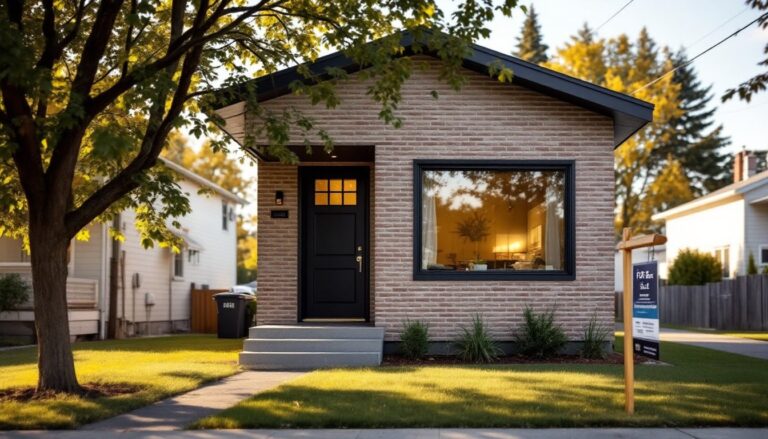
Tiny homes have shifted from niche curiosity to serious housing alternative for thousands of Americans. Whether you’re downsizing, seeking financial flexibility, or exploring sustainable living, understanding tiny home costs is the first step toward making an well-informed choice. Prices vary dramatically depending on construction method, location, and customization level. This guide breaks down what you’ll actually spend, from factory-built models to custom builds, and reveals the hidden costs most buyers overlook when calculating their true investment.
Table of Contents
ToggleKey Takeaways
- Tiny home costs range from $25,000 for basic trailers to $150,000+ for high-end custom builds, with most falling between $40,000 and $80,000 when including land, utilities, and permits.
- Factory-built tiny homes ($30,000–$70,000) offer speed and quality control, while custom-built options ($50,000–$150,000+) provide total design control but require longer timelines and higher labor costs.
- Materials, finishes, location, and mechanical systems each significantly impact pricing—with materials and finishes alone accounting for 30–40% of total costs.
- Hidden expenses like financing, insurance, zoning permits, and site preparation can add $10,000–$30,000 to your initial structure cost, making upfront budget planning essential.
- Verify local zoning and building codes before purchasing, as many jurisdictions restrict tiny homes or require expensive variances that can derail your investment.
Average Tiny Home Costs By Type
Tiny homes fall into three main categories, each with distinct pricing structures. Your build method determines not just the base cost but also timeline, customization options, and long-term maintenance. Let’s break down what you’ll pay for each approach.
Factory-Built Tiny Homes
Factory-built models, also called modular or prefab tiny homes, typically range from $30,000 to $70,000 for the structure alone. These are built in controlled environments using standardized materials and assembly lines. Manufacturing efficiency keeps labor costs lower than site-built work. Many companies offer floor plans ranging from 300 to 500 square feet, with finishes like vinyl siding, asphalt shingles, and basic kitchen cabinetry included.
The advantage? Speed. Most factory units arrive ready to place, with minimal on-site assembly. You’re also getting consistent quality control: every frame, window, and door meets the manufacturer’s specifications. Tiny homes for sale in Tennessee showcase several factory-built options that reflect these pricing tiers.
The trade-off is limited personalization. You pick from the builder’s catalog rather than custom-designing your layout. Upgrading appliances, flooring, or cabinetry can quickly drive costs toward the upper end of the range.
Custom-Built Tiny Homes
Custom-built tiny homes, constructed on-site to your specifications, typically cost $50,000 to $150,000 or more depending on finishes and complexity. You work with a builder or architect to design every detail, roof pitch, window placement, interior layout, material selections. Craftsman Tiny Homes exemplify the higher-quality custom segment, where attention to detail and quality materials command premium pricing.
Custom builds offer total control but demand your involvement: multiple decision points, site visits, and often a 6-12 month timeline. Labor costs run higher because each build is unique, no assembly line efficiency. If your design includes structural complexity (cathedral ceilings, curved walls, or advanced framing), expect costs to climb further.
Finishes matter enormously. Reclaimed hardwood, high-end appliances, built-in storage, and premium insulation push custom homes into the $100,000+ range. Basic custom builds with standard materials can land closer to $50,000, but that requires disciplined material choices.
Mobile Tiny Homes And Trailers
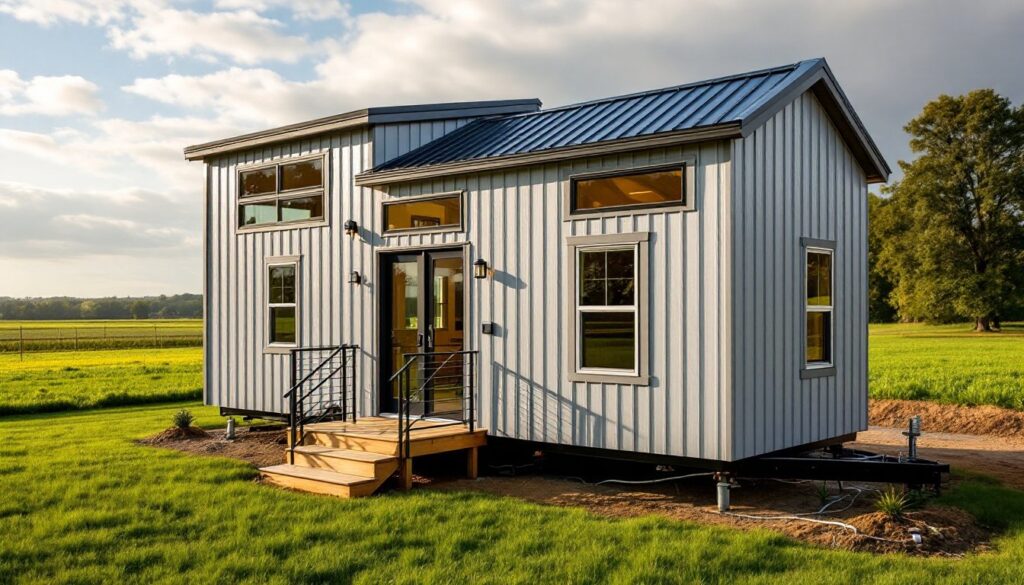
Tiny home trailers, towed by a truck rather than placed on a permanent foundation, range from $25,000 to $80,000. These are regulated as RVs or mobile homes depending on their design, weight, and how they’re titled. Tiny home trailers offer mobility that fixed tiny homes don’t, though this flexibility comes with specific challenges.
Trailer-based tiny homes sit lighter on infrastructure. You avoid foundation work and site preparation costs. But, wheels and towing capacity introduce their own expenses: vehicle licensing, insurance rated as an RV, regular maintenance on axles and hitches, and potential campground or RV park fees if you don’t own land. Many jurisdictions restrict where you can park or live full-time in a tiny home trailer, so zoning must be verified before purchase.
Factors That Influence Tiny Home Pricing
Beyond the build type, several variables dramatically shift your final cost. Understanding these drivers helps you anticipate where you’ll spend the most.
Materials and finishes account for 30–40% of tiny home costs. Spray foam insulation costs more than fiberglass batts but delivers superior R-values. Metal roofing runs $8,000–$12,000 installed: asphalt shingles cost half that. Kitchen and bathroom cabinetry, appliances, and countertops can swing costs by $5,000–$20,000 depending on whether you choose basic stock units or semi-custom options.
Square footage and ceiling height directly impact cost-per-square-foot pricing. A 400-square-foot home costs more per square foot than a 600-square-foot one because fixed costs (foundation, roof framing, HVAC system) stay constant while footage increases. Similarly, 9-foot ceilings require more insulation, taller walls, and longer studs than 8-foot ceilings, nudging costs up by $2,000–$5,000.
Mechanical systems, heating, cooling, plumbing, and electrical, are non-negotiable. Ductless mini-split heat pumps run $3,000–$6,000 installed and offer efficiency: traditional forced-air systems may cost $4,000–$8,000. Tankless water heaters, greywater systems, and upgraded electrical panels all add incremental costs but pay dividends in utility efficiency and functionality.
Customization requests multiply costs quickly. Built-in desks, murphy beds, hidden storage, or specialty materials like shiplap siding can add $100–$500 per element. Many builders charge hourly rates ($40–$100/hour) for design revisions and custom features beyond their standard offerings.
Research from HomeAdvisor and similar cost-estimation platforms consistently show that labor and materials split roughly 50-50 in residential construction. Tiny homes, with their efficiency-driven designs, sometimes shift slightly toward materials because smaller project scopes don’t justify extended labor timeframes, but this depends heavily on builder experience and site conditions.
Location And Land Costs
Where you build or place your tiny home fundamentally shapes the total investment. This often surprises first-time buyers who calculate the structure cost and forget about land, utilities, and site prep.
Land prices vary wildly by region. Rural Kentucky might offer 1–2 acres for $5,000–$15,000: similar acreage in coastal California runs $50,000–$200,000+. Urban infill lots for factory-placed tiny homes can cost $30,000–$100,000 depending on neighborhood. If you’re buying an existing tiny home with land for sale, that bundle pricing already factors in regional market premiums.
Utility infrastructure impacts foundation and site prep costs. Connecting to municipal water and sewer runs $3,000–$15,000 depending on distance from the property line. Off-grid systems, well drilling, septic installation, propane tanks, solar arrays, add $8,000–$25,000 or more. Sloped sites requiring fill or grading cost more than flat, level land. Permit fees and impact assessments (stormwater, utility connections) vary by county but typically add $1,000–$5,000.
Building codes and permits differ by jurisdiction. Some counties classify tiny homes as ADUs (accessory dwelling units) and allow them in residential zones: others mandate manufactured housing standards or minimum square footage that tiny homes don’t meet. Permits, inspections, and variance applications might cost $500–$3,000 or require expensive redesigns to comply. Checking local zoning and building departments upfront prevents costly surprises.
Comparison platforms like ImproveNet often highlight how regional labor rates and material costs shift pricing. The same tiny home design costs 20–30% less in rural Tennessee than in metropolitan Seattle. Markets with active tiny home communities (Colorado, Oregon, North Carolina) have competitive builders and predictable costs: emerging markets may have fewer options and higher per-unit pricing due to inexperience.
Hidden Costs And Considerations Before Buying
Many buyers calculate the structure cost and overlook expenses that inflate the final tally. These often-forgotten line items can add $10,000–$30,000 to your total investment.
Financing and interest matter significantly because tiny homes don’t fit neatly into traditional mortgage products. Banks may require larger down payments (15–25%) or charge higher interest rates because tiny homes don’t hold resale value like standard homes. Some lenders treat them as personal property rather than real estate, affecting terms. Construction loans (usually 6–18 months) charge interest on drawn funds, not the full amount: ensure you understand your lender’s disbursement schedule.
Insurance and licensing costs vary by whether your tiny home sits on a permanent foundation or wheels. Tiny homes on foundations typically require homeowners insurance ($600–$1,200/year): trailer-based tiny homes need RV or mobile home insurance ($400–$1,000/year). Some states charge annual registration fees ($50–$300).
Parking and zoning restrictions can trap you. Many residential zones prohibit tiny homes or limit them to specific areas. RV parks and campgrounds may restrict permanent residency. If your tiny home doesn’t meet minimum square-footage requirements (often 400–600 sq. ft. in municipal code), you’ll need a variance, which costs time and legal fees ($500–$2,000). A few municipalities simply don’t allow tiny homes at all. Verify local regulations before committing to a purchase.
Resale and appreciation potential remains uncertain. Unlike traditional homes, tiny homes don’t always appreciate, and resale pools are smaller. Some lenders see them as depreciating assets similar to RVs. If you’re viewing this as an investment property (renting it as an ADU or vacation rental), factor in local rental demand, seasonal occupancy patterns, and property management costs. Articles from Angie’s List comparing ADUs and tiny houses note that average tiny house costs range from $30,000 to $60,000, making long-term value harder to predict than traditional housing.
Maintenance and utility costs are generally lower (smaller footprint, fewer systems to maintain), but repairs proportionally impact a smaller budget. Roof leaks, plumbing issues, or HVAC failures on a $50,000 tiny home hurt more financially than on a $300,000 traditional house. Budget 1–2% of your tiny home’s value annually for maintenance, similar to traditional homeownership.
Making Your Tiny Home Budget Work
Tiny home costs range from $25,000 for a basic trailer to $150,000+ for a high-end custom build, but the vast majority fall between $40,000 and $80,000 when you include land, utilities, permits, and financing. Your actual spend depends on whether you prioritize affordability, customization, or mobility, and honestly assessing which matters most keeps costs aligned with your goals.
Before signing a contract, get three quotes, verify local zoning upfront, and factor in all hidden costs. A $50,000 tiny home isn’t a bargain if financing, permits, and land push your total to $90,000. Planning carefully now prevents regret later.