Moving can feel like a circus act—juggling boxes, dodging furniture, and trying not to trip over the cat. But fear not! With a little preparation, you can transform this chaotic experience into a well-orchestrated performance. Getting your house ready for a move doesn’t have to be a comedy of errors; it can actually be a breeze with the right steps in place.
From decluttering like a pro to packing your prized possessions without losing your sanity, preparing your home for a move sets the stage for a smoother transition. So grab your favorite beverage and let’s dive into the essentials that’ll make your moving day feel less like a three-ring circus and more like a walk in the park. After all, who wouldn’t want to start their new adventure with a smile instead of a headache?
Table of Contents
ToggleAssessing Your Current Space
Assessing the current space simplifies the moving process. Evaluating items and organizing before packing reduces stress.
Decluttering and Organizing
Decluttering minimizes unwanted items. Begin by sorting belongings into categories: keep, donate, recycle, and discard. Organizing spaces like closets and garages helps create a clearer picture of what to bring to the new home. Consider tackling one room at a time to maintain focus. Label boxes as you pack to streamline the unpacking process. By following these steps, moving day becomes less overwhelming.
Evaluating Your Belongings
Evaluating belongings prioritizes important items. Identify what’s essential and what can be replaced later, saving time and effort. Assess sentimental items, and gauge whether keeping them provides value. Consider furniture measurements to ensure pieces fit comfortably in the new space. Create a checklist of high-priority items to guarantee smooth transportation during the move. This proactive approach simplifies decision-making and enhances the overall experience.
Packing Strategies
Effective packing strategies play a crucial role in simplifying the moving experience. Employing the right techniques and supplies ensures a smoother transition to the new home.
Choosing the Right Packing Supplies
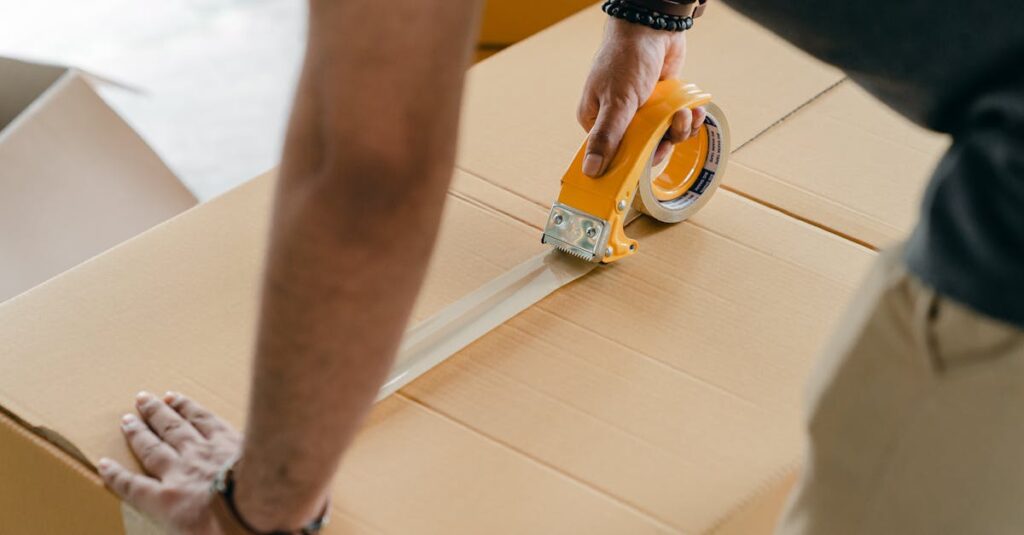
Selecting suitable packing supplies saves time and minimizes damage. Sturdy boxes come in various sizes, accommodating different types of items. Bubble wrap and packing paper provide cushioning for fragile belongings. Use tape that offers strong adhesion to secure boxes effectively. Markers enable clear labeling, making it easier to identify contents. Ensure to have moving blankets handy for larger furniture pieces. Additional supplies, such as ziplock bags for small items, streamline the packing process.
Efficient Packing Techniques
Implementing efficient packing techniques reduces stress and enhances organization. Start with one room, packing similar items together to simplify unpacking later. Fill boxes to capacity but avoid overloading to prevent breakage. Use soft items, like clothes and towels, to pad fragile pieces. Label each box with its destination room and a brief description of contents. Prioritize essential items, packing them last for easy access during the move. Consider taking photos of electronics setups to facilitate quicker reassembly.
Preparing Each Room
Preparing each room effectively ensures a smoother transition to a new home.
Living Room Preparations
Start by decluttering the living room. Remove any unnecessary items and sort them into keep, donate, recycle, and discard categories. Furniture placement impacts space in your new home, so measure pieces before packing. Wrap fragile items like lamps and picture frames in bubble wrap. Label all boxes clearly, indicating contents and destination in the new house. Securely tape boxes to prevent accidents during transport. Don’t forget to take pictures of your current furniture arrangement for reference.
Kitchen Preparations
Begin kitchen preparations by assessing pantry items. Discard expired foods and organize remaining items by category. Use sturdy containers for packing dishes and glasses, cushioning each with bubble wrap. Group kitchen utensils together and label boxes accordingly. Make a list of essential items, such as your coffee maker and dish soap, and keep them separate for easy access on moving day. Check appliance sizes to ensure they fit in your new kitchen layout.
Bedroom Preparations
Focus on decluttering clothing in your bedrooms. Donate items that haven’t been worn in the past year to lighten your load. Utilize suitcases or boxes to pack seasonal clothing for efficiency. Fold or roll clothes nicely to maximize space in boxes. Essential items like bedding and toiletries should stay accessible during the move. Label all boxes containing bedroom items clearly with descriptions to simplify unpacking. Make sure to measure furniture dimensions as well to confirm they fit in the new layout.
Cleaning Your Home
Thorough cleaning enhances the moving experience and helps create a welcoming environment. Focusing on cleanliness before leaving ensures the new occupants arrive to a tidy space.
Deep Cleaning Tips
Start with dusting surfaces, including shelves and baseboards. Move on to vacuuming carpets and sweeping floors. Don’t overlook hard-to-reach areas like behind appliances and under furniture. Consider using non-toxic cleaning supplies for health and environmental reasons. Focus on the kitchen by scrubbing countertops and cleaning appliances inside and out. Tackle bathrooms by disinfecting sinks, toilets, and tubs. Prioritize cleaning windows to allow ample natural light into the space.
Final Touch-Ups
First, inspect each room to ensure nothing has been missed during the cleaning process. Look for small spots or marks on walls and wipe them down quickly. Check for any remaining clutter and remove it promptly. Ensure that all light fixtures function efficiently by replacing burnt-out bulbs. Consider freshening up the air with a pleasant scent using natural air fresheners or baking soda. Lastly, leave behind a clean home for the new owners by ensuring all surfaces are spotless and clutter-free.
Handling Utilities and Services
Managing utilities and services is essential for a smooth transition during the moving process.
Transferring Utilities
Start by contacting service providers to transfer utilities such as water, electricity, gas, and internet. Schedule disconnection for the day of the move and connection at the new address, ensuring services are active upon arrival. Many providers allow online requests, simplifying the process considerably. Confirm installation dates beforehand to avoid any service interruptions. Don’t forget to provide the new address for an accurate transfer. Informing the current providers about your move helps ensure a seamless experience.
Updating Your Address
Updating your address with essential services is necessary. Notify the post office of the change to redirect mail. Fill out a change of address form online, which helps ensure important communications reach the new home. In addition, inform banks, credit card companies, and insurance providers, as these organizations require accurate addresses for billing and policy purposes. Don’t overlook updating subscriptions and online shopping accounts. Completing these updates ahead of time minimizes confusion and helps maintain continuity in daily life.
Preparing a house for moving requires thoughtful planning and organization. By taking the time to declutter and pack efficiently, individuals can significantly reduce stress and enhance their overall experience. Each room deserves attention to ensure that essentials are accessible and that belongings are securely packed.
Cleaning the current space before leaving not only benefits the new occupants but also provides a sense of closure. Managing utilities and services ahead of time prevents disruptions and maintains continuity in daily life. With these strategies in place, moving day can transform from a chaotic event into a smooth transition, paving the way for a fresh start in a new home.