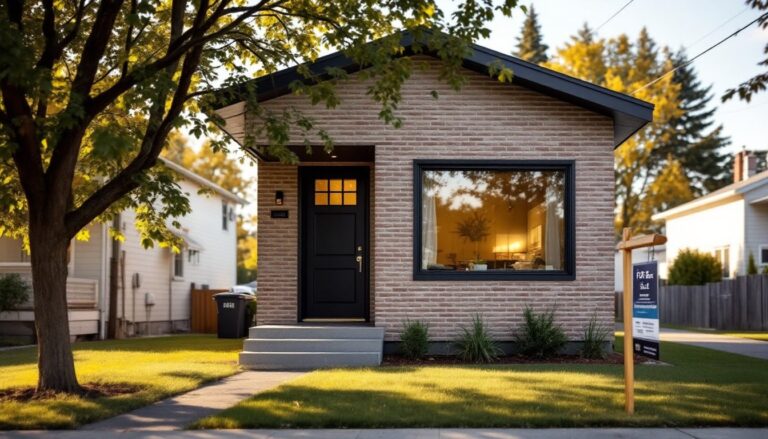

Moving can feel like a circus act, juggling boxes while trying not to trip over your own feet. But what about the great outdoors? Preparing your yard for a move is just as crucial as packing up your living room. After all, you don’t want to leave behind a jungle that could rival Tarzan’s home.
Table of Contents
ToggleImportance of Preparing Your Yard for a Move
Preparing the yard for a move holds significant importance in the overall moving process. An organized outdoor space creates a welcoming first impression for prospective buyers or new residents. An unkempt yard can detract from a property’s appeal and lower its market value.
Addressing landscaping issues before moving day is crucial. This includes mowing the lawn, trimming overgrown bushes, and pulling weeds. Garden areas require attention too, as maintaining neat flower beds enhances aesthetic appeal.
Safety also plays a vital role. Removing debris, such as fallen branches or tools, prevents potential hazards during the moving process. Ensuring clear paths facilitates smoother transitions for moving trucks and hired help, reducing the risk of accidents.
Additionally, preparing the yard helps in managing maintenance responsibilities before handing over the property. Potential buyers appreciate a well-kept outdoor area, which signifies that the property has been cared for over the years.
Investing time in yard preparations results in personal benefits as well. A tidy, organized outdoor space provides peace of mind, making the moving process feel less overwhelming. Successful yard preparation can lead to quicker property sales, further enhancing the importance of this task.
Overall, a well-prepared yard supports both aesthetic appeal and practical safety during a move. Prioritizing yard preparations guarantees a smooth transition and leaves a positive lasting impression on all who visit.
Assessing Your Yard
Evaluating your yard’s condition helps determine necessary preparations before moving. First, examine the lawn. Look for uneven patches and assess the grass’s overall health. Bushes and trees should also receive attention; check for overgrowth or dead branches. Presence of weeds and their spread can indicate additional work required in flower beds.
Evaluating Current Conditions
Current conditions of the yard play a crucial role in showcasing the property. Observe the landscape to identify its strengths and weaknesses. Consider the layout’s functionality, including whether pathways are clear and accessible. Stained or damaged surfaces, like patios and walkways, necessitate immediate attention. Evaluate these areas for safety, ensuring they meet standards for movement during the transition.
Identifying Necessary Repairs
Necessary repairs contribute significantly to the yard’s appeal during a move. Start with damaged fences or gates; these often require immediate fixing to improve security. Pay attention to damaged irrigation systems, ensuring efficient watering for the flora. Address any structural issues with features like decks and patios, as these affect both aesthetics and safety. Effectively planning repairs boosts the home’s overall value and marketability.
Decluttering Your Yard
Decluttering the yard simplifies the moving process and enhances the property’s appeal. It involves sorting outdoor items and disposing of unwanted debris.
Sorting Outdoor Items
Assessing all outdoor items is important. Begin by collecting items such as furniture, garden tools, and toys. Evaluate each item’s condition and usefulness. Keep only what’s necessary or meaningful, while setting aside items for donation or sale. Group similar items together for easier management, making the packing process smoother. This proactive approach streamlines the yard and boosts its visual appeal, giving prospective buyers a reason to appreciate the space.
Disposing of Unwanted Debris
Removing unwanted debris is crucial for safety and aesthetics. Identify items like broken branches, old pots, or discarded furniture. Use a yard waste bin for biodegradable items and consider local disposal options for non-biodegradable debris. Some communities offer bulk waste pickup services for larger items, while recycling centers accept many materials. Clearing debris not only enhances the yard’s appearance but also provides clear paths for movers and visitors, ensuring a welcoming environment.
Landscaping Considerations
Landscaping plays a crucial role in preparing a yard for a move. It creates an inviting atmosphere and boosts property value.
Maintaining Existing Features
Maintaining existing landscape features is vital for maximizing curb appeal. Mowing the lawn regularly prevents overgrowth and keeps the yard tidy. Trimming bushes and hedges helps maintain their shape and health. It also enhances visibility, making the yard appear larger and more organized. Checking trees for dead branches supports both safety and aesthetics. Repairing fences preserves boundaries and adds to the property’s appeal. Addressing stains on pathways improves safety, creating clear routes for moving trucks. These small tasks collectively contribute to a well-kept outdoor space, signaling care to prospective buyers.
Planning for Future Landscaping
Planning for future landscaping can further enhance the yard’s appeal. Evaluating the yard’s layout allows for effective design changes that suit individual preferences. Exploring local plants that thrive in the area’s climate aids in sustainable growth. Choosing low-maintenance plants saves time and effort for future owners. Considering the installation of features like raised beds or water elements adds value. Utilizing native plants reduces the need for irrigation and chemical treatments. Implementing pathways can improve navigation through the yard, appealing to potential buyers. Thoughtful planning reflects a commitment to both aesthetic beauty and practical living.
Final Touches Before Moving
Before the moving day, ensuring the yard is in top shape creates a positive impression. Final tasks can significantly enhance the outdoor space.
Cleaning the Yard
Clearing debris serves as a critical task for yard preparation. Removing broken branches and old extension cords helps maintain safety. Mowing the lawn creates a clean, manicured look. Raking leaves and picking up litter further improves the aesthetic. A tidy yard not only looks better but also shows potential buyers that the property is well cared for. Checking for persistent weeds is essential, too. Pulling them out prevents them from detracting from the landscape’s appearance. Finally, washing outdoor furniture can rejuvenate its look and make it more inviting.
Creating a Welcoming Space for Buyers
Creating a welcoming environment plays a pivotal role in attracting buyers. Planting colorful flowers or adding fresh mulch enhances visual appeal. Grouping potted plants together creates a focal point, drawing attention to the yard’s beauty. Setting up outdoor seating arrangements invites relaxation and enjoyment of the space. Clear pathways assist visitors in navigating the yard easily. Repairing any visible damage, such as fences or gates, adds to the overall charm. Ensuring the yard feels inviting and neat encourages potential buyers to envision themselves in the space. Thoughtful touches, like decorative lighting, can also enhance ambiance and appeal in the evenings.
Preparing the yard for a move is a vital step that shouldn’t be overlooked. A well-maintained outdoor space not only improves curb appeal but also ensures safety during the moving process. By taking the time to tidy up landscaping and clear pathways, homeowners create a welcoming environment that leaves a positive impression on potential buyers or new residents.
Investing effort into yard preparations can make the transition smoother and less stressful. A clean and organized yard reflects care for the property while enhancing its overall value. With thoughtful planning and attention to detail, anyone can transform their outdoor space into an inviting area that complements the moving experience.