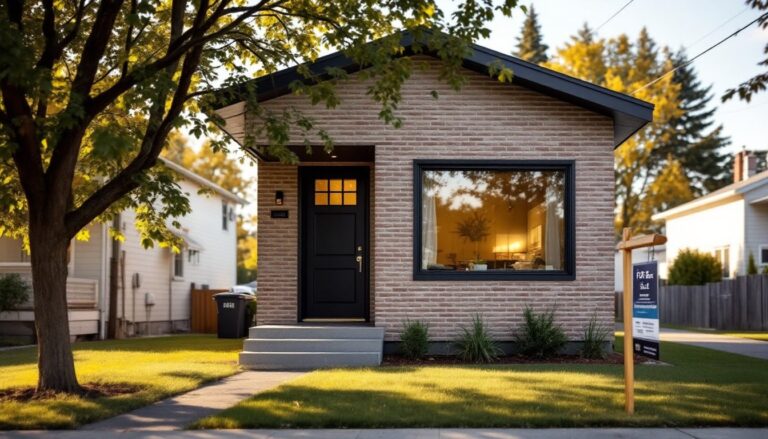

Saving for a down payment can feel like trying to find a unicorn in a haystack. Everyone dreams of owning a home, but the thought of scraping together that hefty sum can be downright daunting. With rising home prices and living expenses, it’s easy to feel like the dream of homeownership is slipping away faster than socks in a dryer.
Table of Contents
ToggleUnderstanding the Importance of Saving for a Down Payment
Saving for a down payment serves as a critical step in achieving homeownership. Homebuyers usually target a standard down payment of 20% to avoid private mortgage insurance (PMI). Setting aside funds also builds equity, which contributes to overall financial stability.
Aspiring homeowners face rising housing market prices. This factor intensifies the importance of saving effectively. High down payments correlate with lower monthly mortgage payments; thus, increased savings can lead to lower financial stress.
Potential buyers benefit from a sizable down payment in numerous ways. It enhances negotiation power during the home-buying process and establishes credibility with lenders. A robust down payment signifies a serious commitment, making it less likely for buyers to default.
Strategic planning facilitates considerable savings over time. Utilizing budgeting tools and creating dedicated savings accounts encourages disciplined financial habits. Setting achievable savings goals allows for incremental progress toward larger sums, reinforcing the connection between saving and success in homeownership.
Remaining aware of local housing trends also shapes down payment strategies. Understanding the market helps buyers make informed decisions regarding when and how much to save. A proactive approach to saving ultimately increases the likelihood of homeownership and fosters a sense of accomplishment.
Saving for a down payment entails discipline and foresight, yet its importance cannot be overstated. It transforms dreams of homeownership into tangible achievements, despite the obstacles posed by soaring living expenses and fluctuating real estate markets.
Setting a Savings Goal
Setting a savings goal is crucial for a successful down payment strategy. Establishing a clear target provides direction and motivation.
Determining the Ideal Down Payment Amount
Aim to save at least 20% of the home price to avoid private mortgage insurance (PMI). This percentage often varies based on individual financial situations and local market conditions. For example, if a home costs $300,000, the ideal down payment amounts to $60,000. Assess personal finances and evaluate budget capabilities to determine a comfortable down payment amount. Setting an ambitious yet achievable target can enhance saving discipline and contribute to long-term financial health.
Creating a Timeline for Your Savings
Draft a realistic timeline for achieving the savings goal. Determine the total amount needed and divide it by the number of months available until the desired purchase date. For instance, if aiming for $60,000 in two years, saving $2,500 monthly becomes necessary. Adjust the timeline based on fluctuations in income or unexpected expenses while staying committed to the goal. Regularly reviewing progress helps maintain motivation and ensures that the timeline remains relevant.
Strategies for Saving Effectively
Effective strategies streamline the process of saving for a down payment, making homeownership more attainable.
Budgeting Tips for Down Payment Savings
Creating a budget enhances overall financial awareness. Tracking income and expenses provides insight into spending patterns. Allocate a specific portion of income directly to savings. Utilizing budgeting apps simplifies this process and ensures accountability. Setting realistic monthly goals keeps the momentum going. For example, saving $500 monthly for a year totals $6,000, which can significantly contribute to the down payment. Regularly reviewing and adjusting the budget helps in accommodating changing financial circumstances.
High-Interest Savings Accounts and Investment Options
Selecting high-interest savings accounts maximizes savings growth. These accounts often yield higher returns compared to traditional savings options. Researching different banks and credit unions helps find the best interest rates available. Consider short-term investment options for additional growth potential. Certificates of deposit (CDs) offer fixed rates and terms, providing a safe investment environment. Investing in low-risk funds can also yield positive returns while maintaining accessibility. Regular contributions to these accounts or investments accelerate progress toward the down payment goal.
Overcoming Common Challenges
Saving for a down payment poses challenges that many face. Dealing with unexpected expenses is a significant hurdle.
Dealing with Unexpected Expenses
Unexpected costs, such as medical bills or car repairs, can impact savings plans. Prioritizing an emergency fund helps manage these financial surprises. By setting aside 3 to 6 months’ worth of living expenses, individuals can better navigate unforeseen circumstances without derailing their savings goals. Additionally, re-evaluating budgets regularly allows for quick adaptations when costs arise. Flexibility in financial planning empowers savers to withstand unanticipated challenges while staying committed to their down payment targets.
Staying Motivated Throughout the Process
Maintaining motivation throughout the saving journey proves essential. Setting smaller milestones makes the process more manageable and rewarding. Celebrating achievements, whether reaching 10% of the down payment goal or sticking to a budget for three consecutive months, reinforces commitment. Developing a visual representation of progress, like a savings tracker, provides a constant reminder of how close individuals are to their goal. Enlisting support from family and friends also strengthens resolve, as sharing goals creates accountability. Together, these strategies fuel persistence despite inevitable obstacles.
Saving for a down payment may seem daunting but it’s a crucial step towards homeownership. With careful planning and commitment individuals can turn their dream into reality. Setting clear goals and utilizing effective budgeting strategies fosters progress and motivation.
By prioritizing savings and staying adaptable to financial changes anyone can navigate the challenges of rising living costs and fluctuating markets. The journey might require discipline but the rewards of homeownership and financial stability make it worthwhile. Embracing this process not only enhances financial literacy but also lays the groundwork for a secure future.