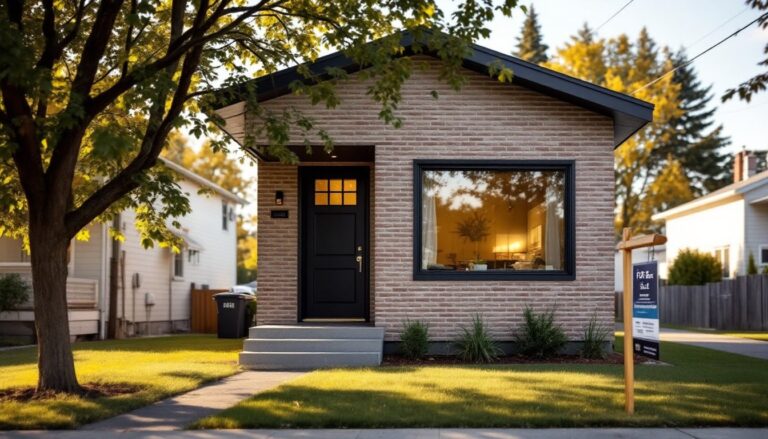

Dreaming of owning a home? It’s a noble aspiration, but let’s face it—saving for a down payment can feel like trying to find a unicorn in a haystack. With rising prices and endless expenses, the thought of stashing away enough cash might make anyone want to hide under their bed. But fear not! With a sprinkle of creativity and a dash of discipline, anyone can turn that dream into reality.
Table of Contents
ToggleUnderstanding Home Down Payments
Home down payments represent a crucial initial step toward homeownership. They vary significantly based on factors like location and property value.
What Is a Down Payment?
A down payment refers to an upfront payment made when purchasing a home. Typically expressed as a percentage of the total purchase price, this payment often ranges from 3% to 20%. For instance, on a $300,000 home, a 20% down payment amounts to $60,000. Lenders use this payment to gauge the buyer’s financial commitment and reduce their risk. Sources, such as the National Association of Realtors, highlight that a larger down payment can secure better mortgage rates and terms.
Importance of a Down Payment
An adequate down payment is essential for several reasons. First, it lowers monthly mortgage payments, making homeownership more affordable. Additionally, a higher down payment can eliminate the need for private mortgage insurance (PMI), resulting in significant savings. Real estate studies demonstrate that buyers with larger down payments often experience quicker property appreciation and improved equity. In short, a well-planned down payment strategy enhances the overall financial stability of a homeowner.
Effective Saving Strategies
Saving for a home down payment becomes achievable through strategic approaches. Implementing effective saving strategies accelerates the journey toward homeownership.
Creating a Budget
Establishing a budget allows for organized financial planning. With clear categories for income and expenses, individuals identify areas for potential savings. A plan that earmarks a specific amount for savings each month can significantly boost contributions to a down payment. Tracking expenditures helps in cutting unnecessary costs effectively. By prioritizing essentials, individuals often find additional funds to allocate toward their savings goals.
Utilizing Savings Accounts
Choosing the right savings account enhances the effectiveness of savings strategies. High-yield savings accounts offer better interest rates compared to standard accounts, maximizing returns on deposits. Keeping savings for a down payment separate from routine funds allows for focused growth. Automating transfers into the savings account fosters consistent deposits, making saving easier. Additionally, some accounts provide goal tracking tools that motivate individuals to reach their target amounts faster.
Cutting Expenses for Savings
Cutting expenses plays a vital role in saving for a home down payment. Identifying areas to save allows for better financial planning, increasing the ability to reach that goal.
Identifying Non-Essential Spending
Start by reviewing monthly expenses closely. Look for subscriptions that go unused or services that can be downgraded. Dining out less often contributes to significant savings each month. Canceling unnecessary memberships also frees up cash for savings. Track spending categories regularly; this practice reveals patterns and identifies areas where reductions can occur.
Exploring Cheaper Alternatives
Researching alternatives can make a big difference in overall costs. Consider shopping at discount grocery stores for lower-priced food items. Switching to generic brands often provides the same quality at a reduced price. Look into public transportation instead of driving to save on fuel and parking fees. Finding free entertainment options, like local events or community activities, keeps expenses down while still enjoying life.
Increasing Income for Down Payment
Increasing income offers effective ways to boost savings for a down payment. Exploring alternative revenue sources can accelerate the journey toward homeownership.
Side Jobs and Freelancing
Individuals often find side jobs or freelancing opportunities beneficial. Platforms like Upwork and Fiverr connect freelancers with clients seeking various services. Many people leverage their skills, such as graphic design, writing, or tutoring, to earn extra cash. Commencing part-time employment in retail or hospitality can also provide supplemental income. Utilizing evenings or weekends helps balance work and personal commitments effectively. Setting clear financial goals for these earnings ensures a focused approach to saving. Tracking income from these activities keeps individuals motivated and accountable.
Selling Unused Items
Selling unused items can significantly contribute to down payment savings. Garage sales or online marketplaces like eBay or Facebook Marketplace simplify this process. Individuals often declutter their homes, discovering valuable items they no longer need. Selling clothes, electronics, or furniture generates quick cash. Additionally, individuals may consider consignment stores to handle sales efficiently. Establishing a dedicated fund for proceeds makes it easier to save for a down payment. Regularly evaluating possessions for items to sell encourages ongoing financial discipline.
Resources and Tools for Saving
Increasing home down payment savings requires utilizing effective resources and tools. Exploring budgeting apps and government programs significantly aids in reaching financial goals.
Apps for Budgeting and Saving
Utilizing budgeting apps helps individuals track expenses and savings effortlessly. Popular choices include Mint, which consolidates all financial accounts, and YNAB (You Need a Budget), designed for proactive budgeting. These apps offer features to set savings goals and monitor progress. Users get customizable alerts for budgeting adherence, which keeps them accountable. Syncing bank accounts streamlines tracking expenses, showcasing spending patterns. Each of these tools simplifies managing finances and enhances discipline toward saving for a down payment.
Government Programs and Grants
Exploring government programs and grants provides additional support for homebuyers. Many states offer first-time homebuyer assistance programs that include down payment assistance. The Federal Housing Administration (FHA) also facilitates loans with lower down payments, specifically for eligible individuals. Local nonprofit organizations often administer grants tailored for specific communities. Reviewing these resources helps individuals understand available options, encouraging proactive steps toward homeownership. Each program represents a commitment to aiding potential buyers in achieving their financial goals.
Saving for a home down payment might feel overwhelming but it’s entirely achievable with the right strategies. By creating a budget and tracking expenses individuals can identify areas to cut costs and boost their savings. Exploring additional income sources can further accelerate their journey toward homeownership.
Utilizing tools like budgeting apps and researching available assistance programs can provide valuable support. Every small step taken toward saving brings them closer to their goal of owning a home. With dedication and smart financial planning it’s possible to turn the dream of homeownership into a reality.