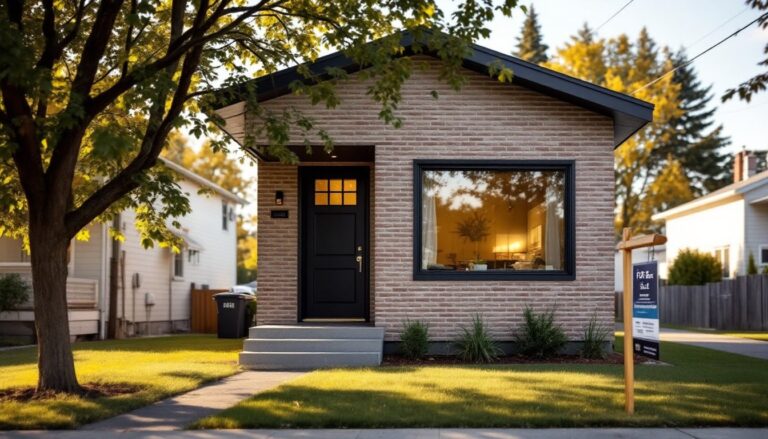
In a world where bigger often seems better, small house living is making a bold statement. Imagine trading in that sprawling mansion for a cozy nook that’s just as charming as it is efficient. It’s not just about downsizing; it’s about maximizing life’s little pleasures without the burden of excess. Who needs a sprawling lawn when you can have a garden that fits in your pocket?
Living small isn’t just a trend; it’s a lifestyle that champions simplicity, sustainability, and creativity. It’s about finding joy in less, whether it’s a tiny kitchen that sparks culinary genius or a minimalist living room perfect for spontaneous dance parties. So why not embrace the charm of small house living? With a sprinkle of humor and a dash of practicality, it’s time to discover how less truly can be more.
Table of Contents
ToggleBenefits Of Small House Living
Small house living offers numerous advantages that enhance quality of life. Embracing a smaller space can lead to greater fulfillment and contentment.
Minimalism And Simplified Lifestyle
Minimalism thrives in small house living. This lifestyle reduces clutter and promotes a sense of clarity. Living with fewer possessions fosters appreciation for what truly matters. A smaller footprint encourages intentional choices regarding items and activities. Individuals often find freedom in simplified routines and lower maintenance demands.
Financial Savings And Affordability
Financial savings become significant in a smaller home. Lower utility bills, reduced mortgage costs, and decreased property taxes often accompany small house living. Spending less on housing opens opportunities for investing in experiences rather than material goods. Affordability enables individuals to allocate funds towards travel, hobbies, or savings. Many find reduced financial stress, making it easier to achieve personal goals.
Design Considerations
Small house living demands thoughtful design choices. Successful designs enhance functionality while maximizing comfort.
Space Optimization Techniques
Effective layout planning achieves optimal space usage. Open floor plans create a sense of spaciousness and improve flow between areas. Multi-functional furniture, such as sofa beds and extendable tables, serves dual purposes, reducing the need for excess items. Vertical storage options, like shelves and wall-mounted cabinets, help draw the eye upward, making rooms feel larger. Choosing light colors for walls and furnishings brightens space, enhancing an airy atmosphere. Utilizing every nook and cranny becomes essential, helping transform even the smallest areas into usable space.
Smart Storage Solutions
In small homes, innovative storage solutions play a crucial role. Under-bed storage keeps seasonal items out of sight while freeing up closet space. Custom built-ins provide tailored options that fit specific needs, utilizing every inch efficiently. Using baskets or bins helps organize items neatly while maintaining accessibility. Embed furniture like ottomans with hidden compartments for added functionality. Consider furniture with built-in storage to maximize space; it blends convenience with style. Vertical organizers in closets and kitchens help maintain order, making daily tasks smoother while reducing clutter.
Sustainability Aspects
Small house living promotes sustainability through eco-friendly choices and efficient resource management. This lifestyle encourages individuals to prioritize environmental responsibility.
Eco-Friendly Materials
Using eco-friendly materials contributes to sustainability in small house living. Bamboo, reclaimed wood, and recycled steel stand out as popular options. These materials reduce waste and minimize the carbon footprint of construction. Natural insulation materials, such as wool and cellulose, help regulate temperatures without harmful chemicals. Additionally, low-VOC paints limit indoor air pollution while maintaining aesthetic appeal. Choosing sustainable materials not only benefits the environment but also enhances the home’s overall aesthetic.
Energy Efficiency Practices
Energy efficiency practices play a crucial role in small house living. Incorporating energy-efficient appliances lowers electricity consumption significantly. LED lighting consumes 75% less energy compared to traditional bulbs. Sealing gaps and adding insulation can improve heating and cooling efficiency, reducing energy costs. Solar panels offer a renewable energy source, allowing homeowners to harness sunlight for power. Utilizing smart home technology, like programmable thermostats, optimizes energy use and manages consumption effectively. Each of these practices contributes to lower utility bills and a smaller environmental impact.
Community And Lifestyle
Small house living fosters strong communities and encourages a unique lifestyle. In closer quarters, residents often develop deeper connections with neighbors, creating a sense of belonging. Shared spaces, like gardens or communal areas, promote interaction and collaboration. Regular social events, such as potlucks or workshops, further build relationships and strengthen community ties.
Building Connections In Smaller Spaces
Smaller homes facilitate unplanned interactions among residents. Neighbors frequently meet while working on shared projects or enjoying communal areas. These spontaneous encounters enrich social networks, providing support systems and collaborative opportunities. Trust often grows from these interactions, resulting in a more cohesive environment where everyone looks out for one another. Healthy social connections enhance the overall living experience, proving that community matters in small living.
The Tiny House Movement Trend
The tiny house movement emphasizes minimalism, sustainability, and community. This trend encourages individuals to downsize, simplifying their lives while reducing environmental impact. Many embrace the philosophy that less is more, leading to financial flexibility and reduced stress. Advocates for tiny homes often prioritize sharing resources, fostering collaboration, and creating intentional communities. This movement resonates globally, promoting not just smaller living spaces, but also a lifestyle centered on connection and environmental consciousness.
Common Challenges
Small house living presents unique challenges that potential residents must navigate. Understanding these hurdles ensures a smoother transition to this lifestyle.
Limited Space Limitations
Limited space can constrain personal possessions and create challenges in daily living. Individuals may face difficulties with storage and organization when downsizing. Comfort becomes essential, as residents need to adapt to smaller living rooms, kitchens, and bedrooms. Creativity plays a vital role in maximizing every inch; multi-functional furniture can transform tight spaces into functional areas. Residents often rely on creative solutions to keep their homes organized and clutter-free. A strategic approach to furniture placement can optimize flow and enhance functionality.
Zoning And Legal Issues
Zoning laws pose significant hurdles for small house enthusiasts. Compliance with local regulations is crucial for safety and sustainability. These laws often dictate minimum square footage, building heights, and setback requirements, impacting tiny house placements. Residents may need to research and secure permits before construction starts. Understanding legal requirements ensures proper integration into the community. The process can be time-consuming; however, thorough planning eases the transition into small house living. Finding communities that support tiny house initiatives can also simplify the journey.
Small house living offers a unique blend of simplicity and sustainability that resonates with many today. By embracing this lifestyle, individuals can reduce clutter and focus on what truly matters. The financial benefits combined with a smaller environmental footprint make it an appealing choice for those seeking a more meaningful existence.
Thoughtful design and smart space optimization further enhance the experience, allowing for comfort and functionality in limited square footage. As communities built around small homes flourish, they foster deeper connections among residents.
Ultimately, small house living is not just about downsizing; it’s about enriching life through intentional choices and a commitment to community and sustainability. This lifestyle invites everyone to rethink their relationship with space and possessions, leading to a more fulfilling way of living.