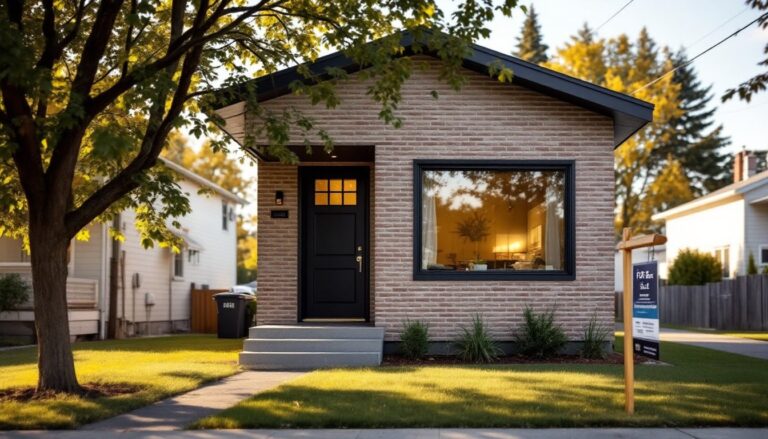

Imagine living in a space where every square foot counts, and your biggest dilemma is whether to cook in your tiny kitchen or just order takeout. The tiny house lifestyle isn’t just a trend; it’s a movement that’s turning the concept of home on its head. With a focus on minimalism and sustainability, these pint-sized abodes offer a unique blend of freedom and creativity.
Overview of Tiny House Lifestyle
Living in a tiny house emphasizes minimalism and sustainability. This movement promotes the efficient use of space, allowing individuals to live with only what they truly need. Tiny homes typically range from 100 to 400 square feet, offering a stark contrast to the average American home size of over 2,500 square feet.
Residents often find freedom through simplicity. They embrace reduced living expenses, which can lead to financial independence. Fewer possessions often result in less maintenance, providing owners with more time for meaningful activities.
Community connections flourish within the tiny house movement. Many tiny home dwellers form strong bonds with neighbors, sharing resources and experiences. This closeness often cultivates a supportive environment where individuals can thrive together.
Creativity becomes a key component when designing tiny spaces. Homeowners frequently customize layouts and incorporate multifunctional furniture to maximize limited square footage. Ingenious storage solutions also help maintain an organized feel.
Environmental impacts draw attention in discussions about this lifestyle. Numerous tiny house advocates champion reduced resource consumption, urging others to consider the effects of traditional housing on the planet. Choosing smaller, energy-efficient homes often aligns with increasing concerns about climate change and sustainable practices.
Many people explore tiny living as a pathway to intentional living. Embracing this lifestyle encourages individuals to reflect on their values and priorities, promoting a more focused approach to daily life. As the tiny house movement continues to grow, many urban planners recognize its potential to address housing shortages and environmental challenges.
Benefits of Living in a Tiny House
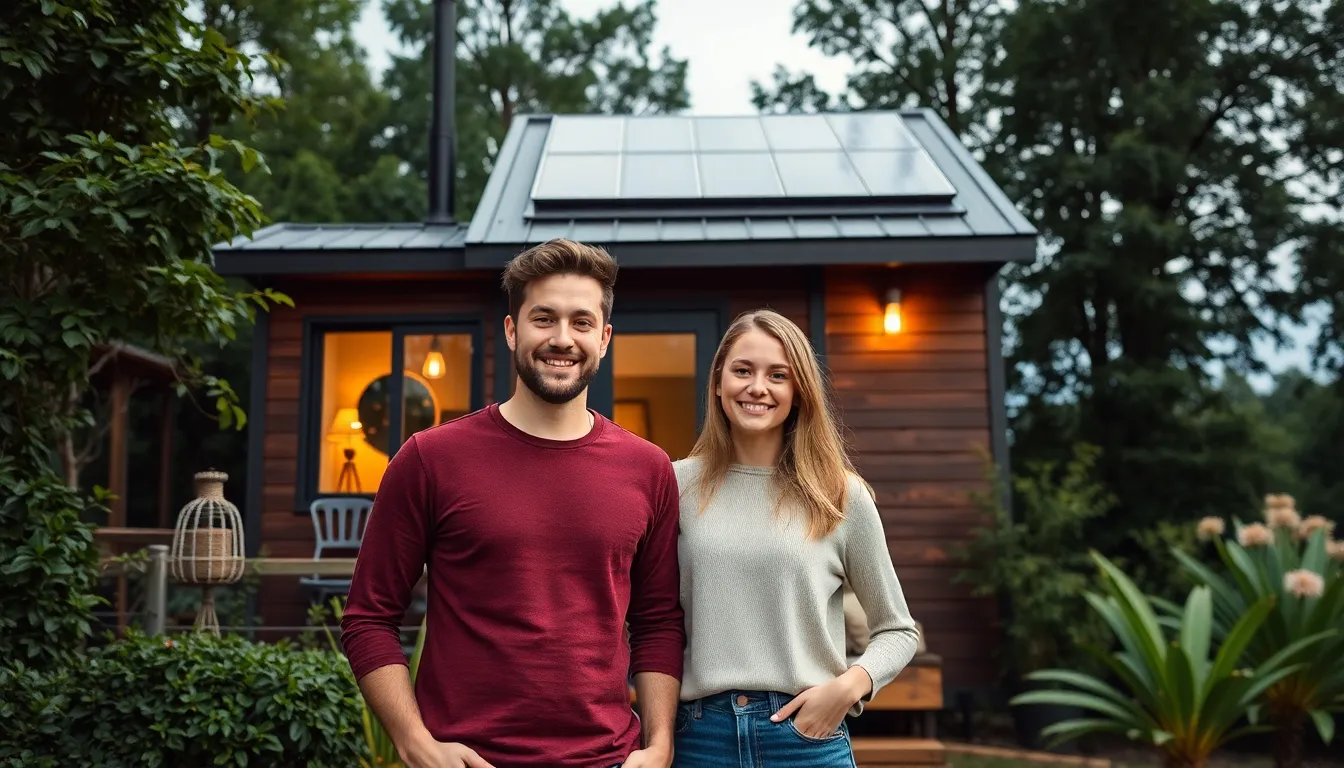
Living in a tiny house offers various advantages that appeal to those seeking a lifestyle change. These benefits encompass financial savings and environmental impacts that contribute to a more sustainable way of living.
Financial Savings
Living in a tiny house significantly reduces monthly expenses. Homeowners often report savings on mortgage payments, property taxes, and utilities. Individuals might spend as little as $10,000 to $40,000 to purchase a tiny home, compared to the average American home cost, which exceeds $300,000. Lower maintenance costs contribute to long-term financial freedom, allowing residents to allocate funds toward experiences rather than possessions. Many tiny house occupants find themselves able to work less, providing more opportunities for travel or pursuing hobbies. The simplicity of tiny living promotes budgeting and intentional spending decisions, enhancing overall financial security.
Environmental Impact
Tiny houses create a smaller ecological footprint on the planet. These homes consume fewer resources during construction with many utilizing recycled materials. Reduced energy consumption follows from smaller living spaces which require less heating and cooling. Homeowners often implement energy-efficient technologies, such as solar panels and composting toilets. The shift towards minimalism encourages individuals to live with less, leading to lower waste production. Many tiny house advocates highlight the potential for sustainable living to address climate change and promote eco-friendly choices. As such, smaller homes not only benefit their occupants but also contribute positively to environmental preservation efforts.
Challenges of Tiny House Living
Tiny house living presents unique challenges that residents must navigate. These hurdles often relate to space and regulations.
Space Limitations
Space limitations significantly impact tiny house dwellers. Living areas typically range from 100 to 400 square feet, requiring efficient organization and storage solutions. Many residents face difficulties when accommodating all their belongings, as minimizing excess becomes necessary. People often need to prioritize essential items and creativity plays a key role in maximizing usable space. Residents frequently utilize multifunctional furniture, such as sofa beds and foldable tables, to create versatility. The compact nature of tiny homes can also lead to feelings of confinement, especially for families or those used to larger living areas.
Zoning Regulations
Zoning regulations pose considerable challenges for tiny house enthusiasts. Local laws can restrict where tiny homes can be placed, affecting mobility and freedom. Some municipalities do not allow tiny houses on permanent foundations, classifying them as recreational vehicles instead. Navigating these regulations often requires detailed research and persistence, as rules vary widely between regions. Homeowners may also face difficulties in securing suitable land due to restrictive housing codes. These regulatory hurdles can complicate the dream of minimalistic living in a tiny home.
Designing Your Tiny House
Designing a tiny house involves careful planning and creativity. Homeowners often prioritize space efficiency while incorporating personal style.
Space Optimization Techniques
Maximize vertical space with tall cabinets and shelves. Use multi-functional furniture, such as sofas that transform into beds, to enhance usability. Consider folding tables that can expand or contract based on needs. Employ clever storage solutions like under-bed drawers and built-in benches. Create open spaces with mirrors to give the illusion of depth. Plan layouts that blend living, dining, and sleeping areas seamlessly. Minimize clutter by embracing minimalism in decor. Focus on smart organization to avoid overcrowding in tiny homes.
Essential Features to Consider
Identify the must-have elements that elevate comfort and functionality. A well-designed kitchen with energy-efficient appliances makes cooking enjoyable. Incorporate a bathroom that optimizes space while offering privacy. Include ample natural light through large windows or skylights to enhance the ambiance. Select a cozy loft for sleeping while keeping the main floor open. Prioritize adequate insulation to maintain energy efficiency year-round. Utilize eco-friendly materials that align with sustainability goals. Ensure that the design reflects personal aesthetics while accommodating practical living needs.
Community and Support
The tiny house lifestyle thrives on strong community connections and shared experiences. Residents often form tight-knit groups, providing valuable support in their sustainable living endeavors.
Tiny House Communities
Tiny house communities foster collaboration and shared resources. Many of these communities operate as eco-villages, emphasizing sustainable practices and minimalistic living. Some residents benefit from shared amenities like gardens, workshops, and communal spaces. By living in close proximity, individuals exchange ideas, tips, and inspiration, enhancing their experiences. Notably, members often engage in group activities, making connections that extend beyond their homes. This sense of belonging promotes camaraderie among tiny homeowners and reinforces their commitment to sustainable living.
Online Resources and Forums
The internet offers numerous resources for tiny house enthusiasts. Forums and social media groups connect individuals with similar interests, facilitating discussions about challenges and successes in tiny living. Many websites provide valuable information on zoning regulations, construction techniques, and design ideas. Members can share their unique journeys and seek advice from experienced tiny homeowners. Online platforms cultivate community by allowing individuals to ask questions, share resources, and celebrate milestones in their tiny house journeys. These digital connections enrich the tiny house experience, extending the support found in physical communities.
Conclusion
Embracing the tiny house lifestyle offers a unique blend of freedom and creativity. It encourages individuals to rethink their living spaces and prioritize what truly matters. By focusing on minimalism and sustainability, tiny homes not only reduce financial burdens but also foster strong community ties.
As more people discover the joys of living simply, the movement continues to grow. With its emphasis on intentional living and eco-friendly practices, the tiny house lifestyle presents a compelling solution to modern challenges. Those who embark on this journey often find themselves enriched by new experiences and deeper connections, proving that less can indeed be more.