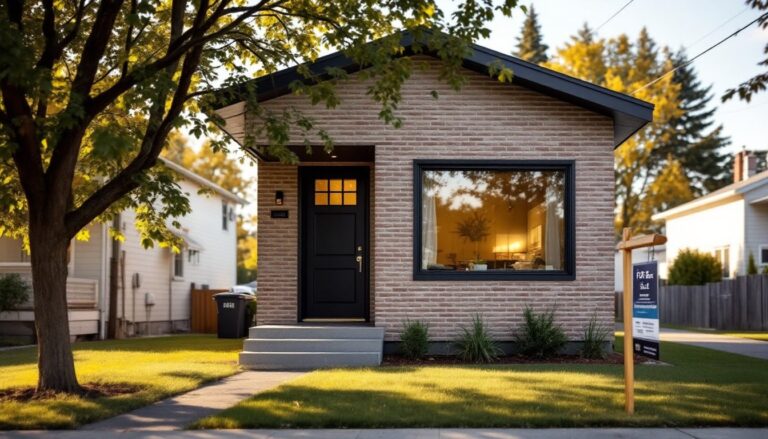
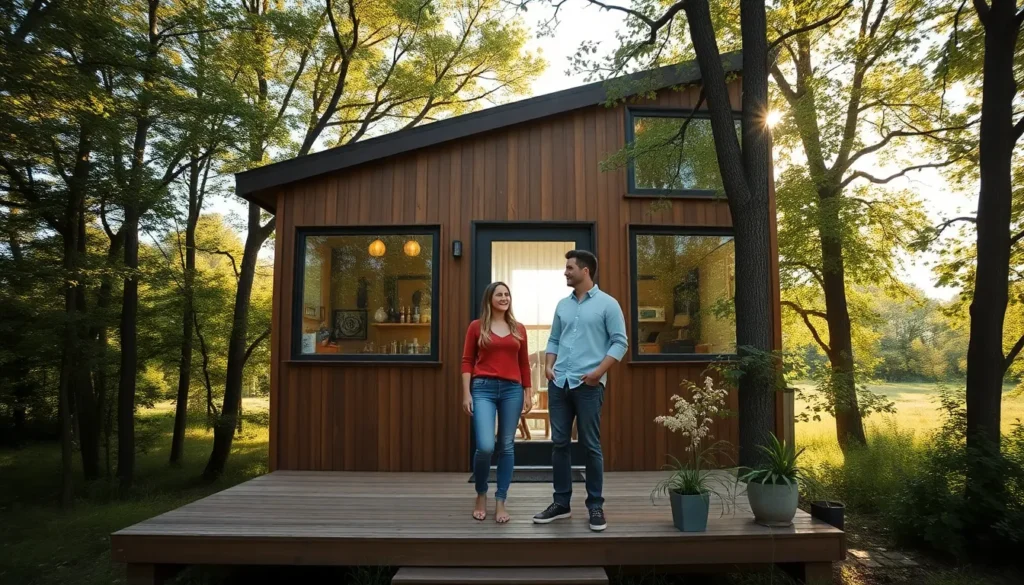
Tiny houses are all the rage, but when it comes to taxes, things can get a bit complicated. Imagine downsizing your life only to find out your tax obligations have ballooned! It’s enough to make anyone reconsider their minimalist dreams. But don’t worry, navigating the tiny house tax landscape doesn’t have to feel like trying to fit a king-sized bed into your cozy abode.
Understanding Tiny House Tax Info
Tax implications for tiny houses vary based on location and individual circumstances. Local governments may classify a tiny home as a personal residence or as a recreational vehicle, significantly influencing tax liability. Property taxes often depend on the assessed value of the home, which may differ widely between states.
Sales tax may apply during the purchase of tiny houses, particularly if they fall under the category of personal property. Owners should confirm if local authorities require specific permits or additional fees related to tiny houses. The status of the home as a permanent residence impacts eligibility for homestead exemptions, potentially lowering tax rates.
Income from renting out part of a tiny house, such as Airbnb listings, creates additional tax responsibilities. Taxpayers must report rental income and can also claim related expenses. Documenting expenses such as mortgage interest and maintenance costs is crucial for accurate tax reporting.
Understanding zoning laws becomes important when placing a tiny house. Zoning laws affect property assessments and can restrict where tiny houses can be parked or placed.
Always consult with a tax professional knowledgeable about tiny house regulations. Local tax codes frequently change, making professional guidance essential for compliance and optimizing tax outcomes. Overall, informed decision-making can mitigate potential issues while maximizing the benefits of tiny house living.
Tax Implications for Tiny Homeowners
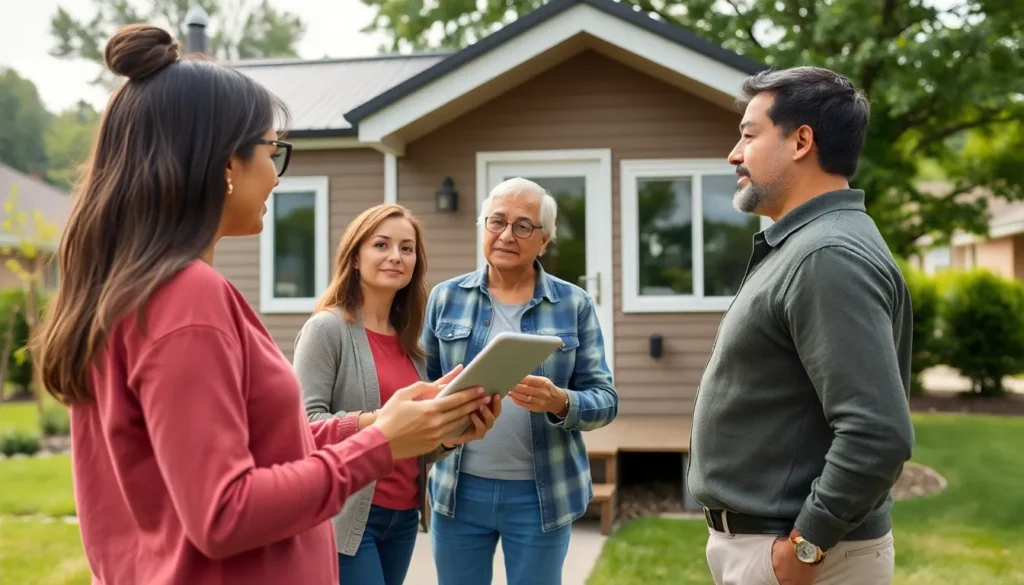
Tiny homeowners encounter various tax implications based on location and individual circumstances. These considerations can significantly influence their financial obligations and potential benefits.
Property Taxes
Property taxes for tiny homes depend on the assessed value set by local governments. Local classification determines whether a tiny house is treated as a personal residence or recreational vehicle. Tax rates vary widely across states, impacting what owners must pay. Finding out if a homestead exemption applies could lower property tax rates. Those living in areas with higher housing demands might face steeper taxes. Assessing the home’s value through local guidelines provides clarity on financial obligations. Local regulations also dictate specific permits or fees that owners should investigate prior to purchasing.
Income Taxes
When renting out a portion of a tiny house, reporting rental income becomes essential. Income taxes apply to any income generated from rentals, affecting overall financial health. Owners can often claim related expenses, like repairs or utility costs, to offset taxable income. Keeping accurate records of all rental income and associated expenses is crucial for compliance. Understanding local laws regarding short-term rentals can help avoid potential fines. Furthermore, consulting a tax professional knowledgeable about tiny house regulations enhances accuracy in reporting.
Zoning and Building Regulations
Zoning laws govern where tiny homes can be placed, with regulations varying by location. Many municipalities distinguish between permanent dwellings and recreational vehicles, impacting where tiny homes can reside. Owners should check local zoning codes to ensure compliance before purchase.
Building regulations also influence tiny house construction. Some areas require homes to meet specific safety standards, which can include building codes and permits. Factors such as home size, materials used, and foundation type contribute to these regulations.
Tiny houses typically need permits for construction or placement, necessitating adherence to local guidelines. Homeowners often face different requirements based on the zoning classification assigned to their properties.
Certain areas offer flexibility for tiny homes, especially in rural zones, which may have looser regulations compared to urban settings. Understanding the local building codes can prevent unexpected costs during construction.
Community standards may also dictate aesthetic rules and shared resources, especially in tiny house communities. These developments often have their own set of regulations regarding design and placement.
Investigating local ordinances can reveal potential limitations or allowances for tiny homes. Engaging with local authorities ensures compliance and helps identify any applicable exemptions or allowances.
Adhering to zoning and building regulations fosters a smoother experience for tiny home buyers, enabling them to enjoy their minimalist lifestyle without legal complications.
Financing Options for Tiny Houses
Tiny house financing options provide diverse avenues for prospective owners. Traditional mortgage loans remain an option, though they often come with limitations for non-standard properties. Some lenders specialize in tiny house financing, offering tailored loans that accommodate unique structures and smaller price points.
Personal loans constitute another viable option. These loans typically come with higher interest rates but allow for expedited access to funds without collateral requirements. A borrower’s credit history heavily influences approval chances and interest rates.
Additionally, owner financing presents an alternative path. In this scenario, the seller acts as a bank, directly lending the buyer money. Terms are often negotiable, making this option flexible for both parties involved.
If owners decide to place a tiny house on an existing property, they could leverage home equity loans. These loans use the existing property as collateral, which often provides lower interest rates than personal loans. A thorough evaluation of the property’s value and outstanding mortgage balance is necessary before proceeding.
Crowdfunding has gained traction as a modern financing method. Online platforms allow individuals to raise money from a broad audience, allowing community support for tiny house projects. Developing a compelling story can enhance fundraising success through these platforms.
Lastly, government grants or assistance programs occasionally support tiny house initiatives, especially for low-income individuals or those seeking affordable housing solutions. Owners should research available local, state, or federal programs designed to facilitate home ownership.
Exploring financing options enables potential tiny house owners to find the right solution, catering to their unique financial circumstances and housing goals.
Conclusion
Navigating the tax landscape of tiny house living can seem daunting but it’s entirely manageable with the right knowledge. Understanding local regulations and tax implications is crucial for anyone considering this lifestyle. By staying informed about property classifications and potential exemptions, individuals can make smarter decisions that align with their financial goals.
Consulting a tax professional can provide tailored advice and help avoid common pitfalls. As the tiny house movement continues to grow, being proactive about tax responsibilities will ensure a smoother transition into minimalist living. Embracing this lifestyle with a clear understanding of its financial aspects can lead to a fulfilling and stress-free experience.