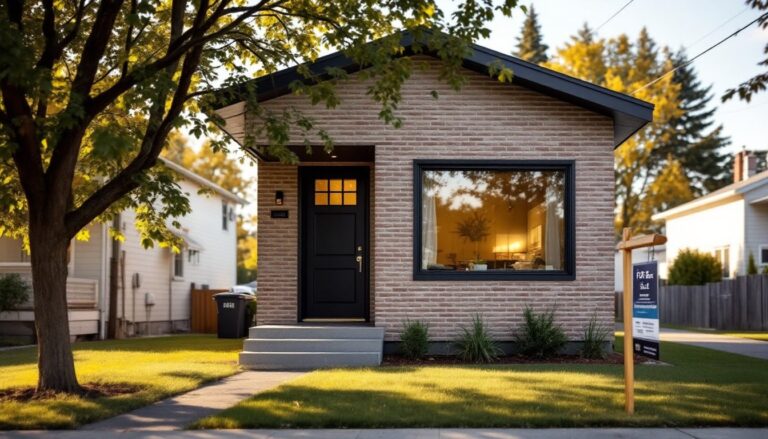
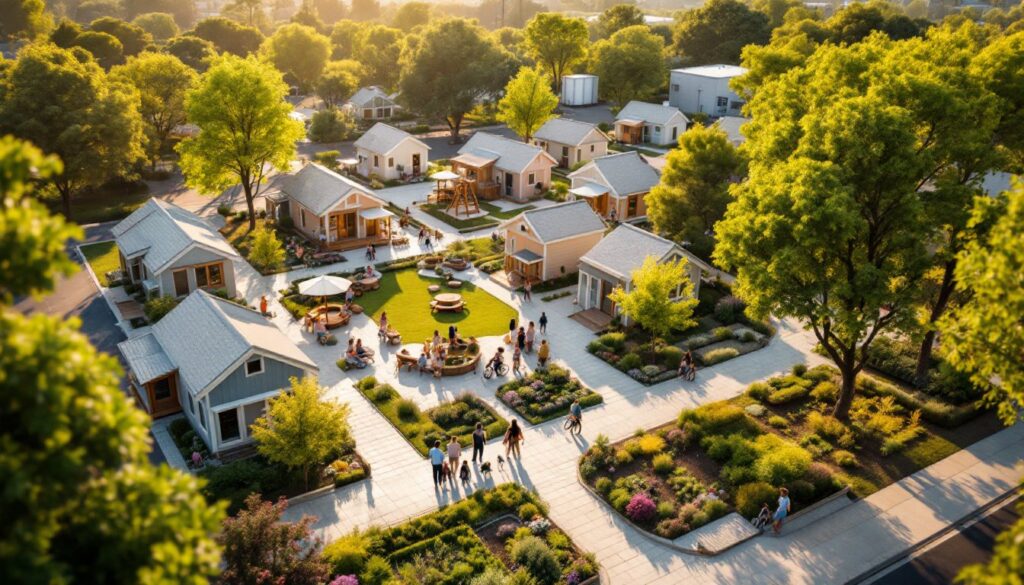
Family tiny house villages represent one of the most practical responses to rising housing costs and a desire for intentional community living. Unlike scattered tiny homes on individual lots, these planned communities cluster compact dwellings, typically 400 to 800 square feet, around shared green spaces, workshops, and community facilities. Homeowners get the benefits of downsizing, affordability, and sustainable living while maintaining strong neighborhood ties and access to amenities that single-lot tiny homes can’t offer. By 2026, these villages are shifting from niche experiments to viable alternatives for families seeking both financial breathing room and genuine community connection.
Table of Contents
ToggleKey Takeaways
- Family tiny house villages reduce housing costs by 40–60%, with typical homes priced at $180,000–$280,000 compared to $350,000–$500,000 for conventional starter homes in the same region.
- Shared amenities like tool libraries, bulk-negotiated utilities, and community facilities can save homeowners $150,000–$250,000 in operating costs over 30 years.
- Intentional community design—including front-facing porches, ADA-compliant walkways, and centralized gathering spaces—naturally builds neighborhood connection and supervision of children’s play.
- Zoning regulations, CC&R agreements, and lender financing options vary significantly, so verify local codes and secure pre-approval before committing to a tiny house village purchase.
- These villages increase property resale value by 15–20% through tangible infrastructure investments, making them a financially sound alternative to isolated tiny home ownership.
What Makes Family Tiny House Villages Different
Family tiny house villages differ fundamentally from traditional suburban development and isolated tiny home ownership. Each unit sits on its own small lot, usually 0.15 to 0.25 acres, but shares centralized resources like parking areas, tool libraries, and community centers rather than duplicating them on every property.
The design prioritizes walkability and accessibility. Children can play in common courtyards under sight lines from multiple homes. Parents don’t need a second car to run errands if essential services cluster within walking distance. A shared workshop means one family owns the table saw instead of six families each buying their own.
These communities also enforce design standards that make them feel cohesive, not chaotic. Rather than every home looking different, developers typically offer 3 to 5 exterior styles with coordinated color palettes and setback rules. This aesthetic consistency actually increases property values compared to mixed tiny home developments.
The Financial Benefits for Homeowners
Affordability is the primary draw, and the numbers are compelling. A family tiny house in a village community typically costs $180,000 to $280,000 compared to $350,000 to $500,000 for a conventionally-sized starter home in the same region. That’s not a small difference, it’s the down payment gap erased, or student loan balances paid down.
But the savings extend beyond the purchase price. Utilities run 40 to 60 percent lower in a 600-square-foot home than in a 2,000-square-foot house because there’s simply less to heat, cool, and light. Insurance, property taxes, and maintenance costs follow the same downward trend. Over 30 years, a family might save $150,000 to $250,000 in operating costs alone.
Shared amenities further reduce household expenses. One community tool library eliminates the $500 to $2,000 many homeowners spend annually on tool rentals or redundant purchases. Bulk-negotiated internet and utility rates in some villages shave 10 to 15 percent off those bills. And when you combine lower housing costs with the option to work from home more, the lifestyle becomes even more economically attractive.
Designing and Planning Your Tiny House Village Community
Layout and Spacing Considerations
Successful tiny house village design hinges on thoughtful site planning. Homes typically arrange around a central green, a landscape focal point rather than leftover land, with pedestrian pathways (a minimum 4 feet wide per ADA accessibility standards) connecting them. Too much distance between units erodes community feeling: too little feels claustrophobic.
A workable rule of thumb: position homes so front porches face a common area, not rear yards. This encourages casual encounters and supervises children’s play naturally. Setback requirements, usually 15 to 25 feet from the common space, give each home visual and acoustic privacy even though proximity.
Parking is a critical design choice. Some villages push vehicles to the perimeter, reserving the center for pedestrians and cyclists. Others stripe angle parking on the edges of common areas, compromising between walkability and convenience. Climate matters too, rainy regions need better drainage around dense footprints: hot regions benefit from shared shade structures over play areas.
Shared facilities, playgrounds, pavilions, community centers, add 8 to 12 percent to development costs but increase resale values by 15 to 20 percent because buyers know their money includes tangible community infrastructure.
Building Community Connection in Close Quarters
Proximity doesn’t guarantee connection, intention does. The best-performing tiny house villages establish explicit community norms and regular touchpoints. Monthly potlucks, shared garden plots, and skill-sharing workshops transform neighbors into genuine friends rather than polite strangers.
Many villages establish design review boards and community meetings to maintain shared standards and address conflicts early. A simple rule, like “no visible storage containers or RVs”, prevents the visual fatigue that can kill a community’s sense of place. Similarly, some communities require owners to contribute 4 to 8 volunteer hours annually to maintain common areas, reinforcing that everyone’s invested in shared success.
Intergenerational design helps. A community with playgrounds, teen gathering spaces, and senior-friendly pathways sees kids, parents, and grandparents all using the space. Compare this to a traditional neighborhood where age-segregated cul-de-sacs limit natural interaction. When Craftsman tiny homes incorporate front porches and walkable layout, they inherently build this connection.
Practical Steps to Get Started
If you’re exploring family tiny house villages, start by identifying established communities in your region and visiting them in person. Talk to current residents about costs, satisfaction, and community dynamics, not just amenities.
Understand your local zoning. Some jurisdictions still classify tiny house communities as mobile home parks or deny density bonuses that make them financially viable. Towns increasingly recognize accessory dwelling units (ADUs) and cottage clustering, but code varies widely. Contact your planning department before committing.
When evaluating specific communities, examine the CC&R agreement (Covenants, Conditions, and Restrictions) carefully. This legal document governs how shared spaces operate, who maintains them, and how disputes resolve. Poor governance structures sink many communities. Strong ones establish transparent budgets, professional management, and clear decision-making protocols.
Financing differs from traditional mortgages. Some lenders offer FHA or conventional loans on tiny houses in established communities: others require portfolio loans with higher rates. Get pre-approved before signing purchase agreements. And remember: <a href="https://fallbrookchamber.com/small-house-living/”>small house living attracts buyers even in modest markets, so resale typically isn’t a concern even though the unconventional format.
Finally, assess whether tiny homes with land or a village setting fits your family’s actual needs. Villages sacrifice privacy and maximum land for community and affordability: a standalone tiny home on acreage offers the opposite trade-off.
Conclusion
Family tiny house villages aren’t a retreat from modern life, they’re an intentional redesign of it. They compress housing costs while expanding social connections, lower environmental impact while raising property appeal, and prove that thriving families don’t need sprawl. By 2026, these communities represent one of the most realistic paths for working families to achieve homeownership, stronger roots in their neighborhoods, and genuine financial relief.