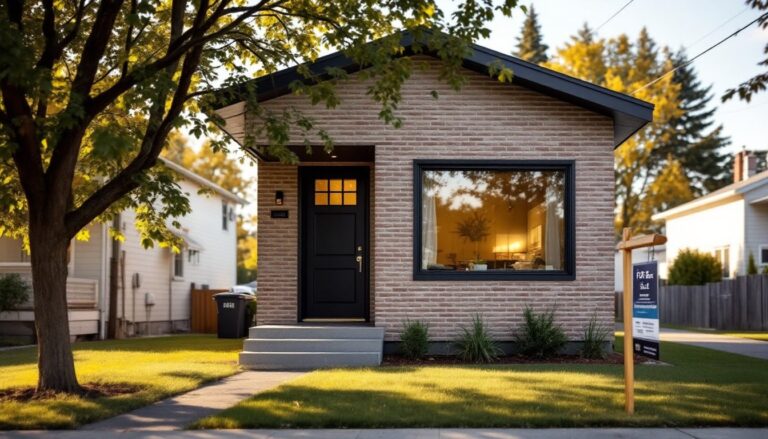
The tiny home movement promised freedom, affordability, and a simpler lifestyle. For a time, it delivered. But as 2026 rolls on, a growing number of residents are discovering that what once felt liberating now feels confining. Perhaps a growing family, an aging parent moving in, or simply the reality that working from home in a 400-square-foot box isn’t the dream it seemed, these are the moments when homeowners start asking themselves: What’s my exit plan? If you’ve lived in a tiny home and are ready to move to a larger space, this guide walks through the realities of leaving, the choices you’ll face, and how to make the transition without financial or logistical chaos.
Table of Contents
ToggleKey Takeaways
- People typically escape tiny homes due to changing life circumstances—such as growing families, remote work requirements, or the psychological weight of constant density—rather than financial regret.
- Before selling or renting your tiny home, verify financing terms, understand your local market timing, and document all maintenance and upgrades to demonstrate quality to prospective buyers or tenants.
- Most tiny home residents transitioning to larger spaces find that 1,200–1,600 square feet offers the ideal balance, providing a dedicated workspace and guest areas without the maintenance burden of a traditional suburban home.
- Strategic decluttering and professional staging are critical for selling or renting tiny homes, as buyers and renters evaluate these properties based on organization, spaciousness, and efficient design.
- Your exit from tiny home living should preserve the financial gains and minimalist mindset you’ve developed—avoid filling new space reactively and instead apply your clearer sense of priorities to intentional, sustainable homeownership.
Why People Leave Tiny Homes and What They Learn
The reasons people abandon tiny home living are rarely dramatic, they’re just honest. Space constraints become unbearable when a second child arrives or a parent needs a spare room for medical equipment. Work-from-home arrangements, accelerated by recent years’ shifts, revealed that a desk in a loft corner doesn’t cut it when you’re on video calls eight hours a day. Others discover that the novelty of one closet, one bathroom, and shared living areas wears thin faster than expected.
What many tiny home dwellers don’t anticipate is the psychological weight of density. After a year or two, the constant awareness of limited square footage, not just physically but mentally, adds invisible stress. Storage becomes a puzzle you solve daily. Guests feel cramped. You can’t spread out a project without it consuming your entire living room.
The lessons learned are valuable, though. Most who leave tiny homes report a genuine shift in their values: they’ve shed possessions they don’t need, they understand what truly matters to them, and they’re unlikely to return to overconsumption. That clarity is worth something real. They tend to move into a medium-sized home rather than the sprawling suburban house they might have bought a decade earlier. The tiny home phase taught them a more balanced approach to living space.
Planning Your Exit: Financial and Lifestyle Considerations
Before you list your tiny home or hand over keys to a rental tenant, sit down with the numbers. Tiny homes often appreciate slower than traditional homes because the market is smaller and interest rates affect affordability more acutely. If you bought at the peak of the tiny home enthusiasm, don’t expect to walk away with significant equity. Conversely, if you bought a quality tiny home on a permanent foundation with a clean title, not a trailer, your resale window may be broader than you think.
Consider your exit timing. Spring and early summer bring more buyers to the market. If your tiny home sits on a lot you own outright, selling or renting becomes simpler. If it’s financed, check your loan terms for penalties or restrictions on rental use. Some lenders prohibit renting out tiny homes because they’re considered higher risk.
For lifestyle, ask yourself honestly: Are you leaving because the space is wrong, or because your life situation changed? If it’s the latter, a medium-sized home (1,200–1,800 square feet) typically offers what tiny home dwellers actually need, room to breathe, a dedicated workspace, and guest space, without the burden of a 4-bedroom suburban house. Account for property taxes, utilities, and maintenance costs in your new area. A larger home in a rural or lower-cost region can cost less to operate than your tiny home in a high-demand area. Tiny House Lifestyle: Discover often centers on financial freedom, so ensure your exit strategy preserves that advantage.
Preparing Your Tiny Home for Sale or Rental
If you’re selling, your tiny home needs to show as well-maintained and move-in-ready. Most buyers of tiny homes are still early-stage downizers or budget-conscious buyers, they want confidence in the quality and longevity of the structure, not projects. Document any major repairs, roof work, foundation inspections, or system upgrades you’ve completed. A recent inspection report is a selling tool, not a liability.
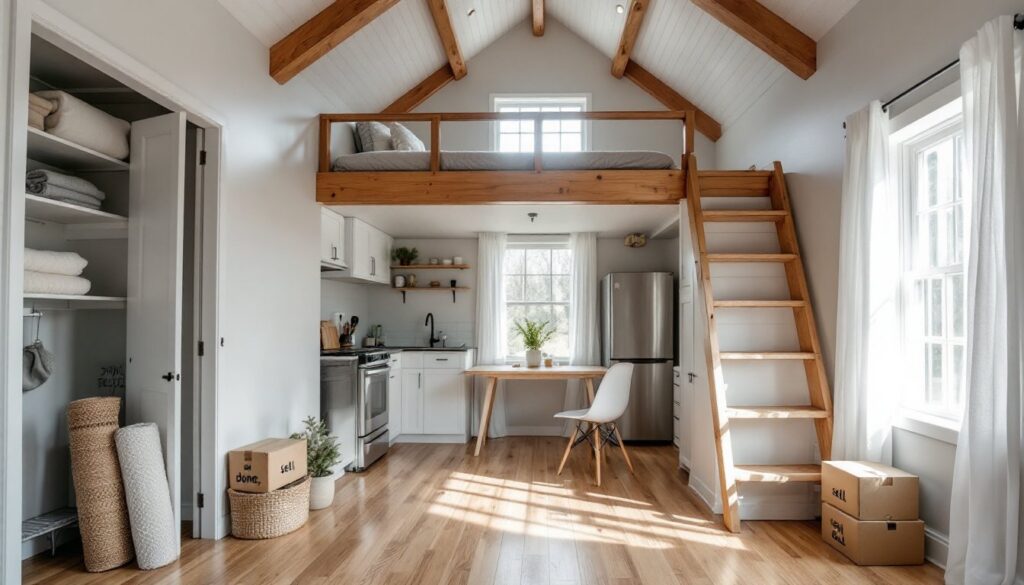
If you’re renting it out instead, stabilize the property for seasonal or long-term tenants. Reinforce any wear and tear, service the HVAC system, check plumbing fixtures, and ensure all appliances are functional. Tiny homes often have tankless water heaters and compact or combo appliances, make sure you, or a tenant, understands their quirks. Include written guides for systems specific to tiny home living: where the shut-offs are, how to operate the loft ladder safely, and how to maximize storage.
Staging and Presentation Strategies
Tiny homes sell or rent on their potential, and that potential is defined by how spacious and organized they feel. Declutter ruthlessly, if you’re moving out anyway, use it as your hard reset. Remove 30–40% of what you own. Deep clean everything: walls, appliances, fixtures, and grout. Light colors and minimal decor make small spaces feel larger.
If renting, furnish it lightly and neutrally, or leave it unfurnished and market to remote workers or couples who value the independence. Highlight specific features: efficient storage, energy efficiency, natural light, and proximity to transit or amenities. Real Simple and similar resources offer decluttering and organization strategies tailored to small spaces, use their tactics in your listing photos. Professional photos are worth the cost: a photographer who understands small-space lighting will show your home in its best form. Price your rental or sale competitively by checking comparables in your region and adjusting for condition, age, and any unique features.
Finding Your Next Home: Location and Size Goals
Downsizing from a tiny home doesn’t mean you should scale back on location research. In fact, it’s your chance to reconsider where you live. A larger home in a lower-cost region, or one closer to family, schools, or work, often makes more financial sense than a medium home in your current high-demand area. Use the sale proceeds or accumulated savings to expand your options geographically.
For sizing, most tiny-home refugees land in the 1,200–1,600 square foot range: three bedrooms, 1.5–2 bathrooms, and separate living areas. This size offers psychological relief without the utility bills and maintenance burden of a traditional 4-bedroom home. A dedicated home office becomes feasible without sacrificing sleeping or living space. Guest accommodations stop feeling like a chore.
Think about the bones of the next home. Avoid properties that require extensive structural work or permit-level renovations unless you genuinely enjoy that process. You’ve already learned what matters: good insulation, simple systems, and efficient layouts. Don’t suddenly buy a 1970s colonial with single-pane windows, knob-and-tube wiring, and a basement that needs waterproofing just because it has three bedrooms. Tiny Homes for Retirees: highlights downsizing strategies for older homeowners, many principles apply regardless of age, particularly the emphasis on manageable maintenance and realistic utility costs.
Making the Moving Transition Smooth
The irony of leaving a tiny home is that you’ve already developed exceptional moving and packing discipline. Use it. Sort your belongings into keep, sell, and donate before the moving truck arrives. Many tiny home dwellers maintain a minimalist inventory even after moving to larger spaces, they’ve proven they don’t need much. Stick with that habit: it’ll keep your new home from becoming cluttered and expensive to maintain.
Coordinate the timing of your sale or lease-end with your next home’s closing or move-in date. Contingencies and bridging arrangements add cost and stress. If there’s a gap, storing your possessions in a climate-controlled unit is far cheaper than paying rent or mortgage on two properties simultaneously.
When you arrive at your new home, resist the urge to fill every empty closet or garage bay. Spend a few months in the space, understanding how you actually use it before buying furniture or storage solutions. Apartment Therapy emphasizes slow, intentional decorating over rapid consumption, a mindset that will serve you well as you settle into more square footage. You’ve learned what works for you. Apply that knowledge to a larger canvas rather than starting from scratch. Your financial stability, reduced possessions, and clearer sense of priorities are your real advantages as you make this transition.
Conclusion
Leaving tiny home living isn’t a failure, it’s a natural evolution. You’ve gained clarity about your needs, shed unnecessary possessions, and proven you can thrive in less. The exit requires honest financial planning, careful preparation of your property, and intentional decision-making about your next home. Move deliberately, not reactively, and your transition will preserve both the financial gains and lifestyle lessons the tiny home taught you.