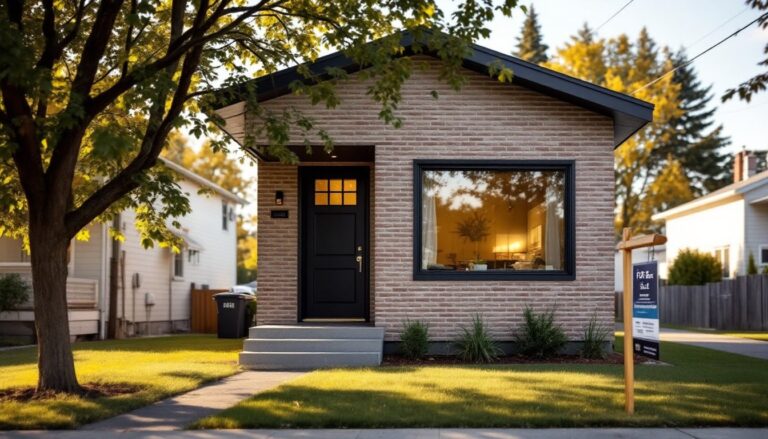
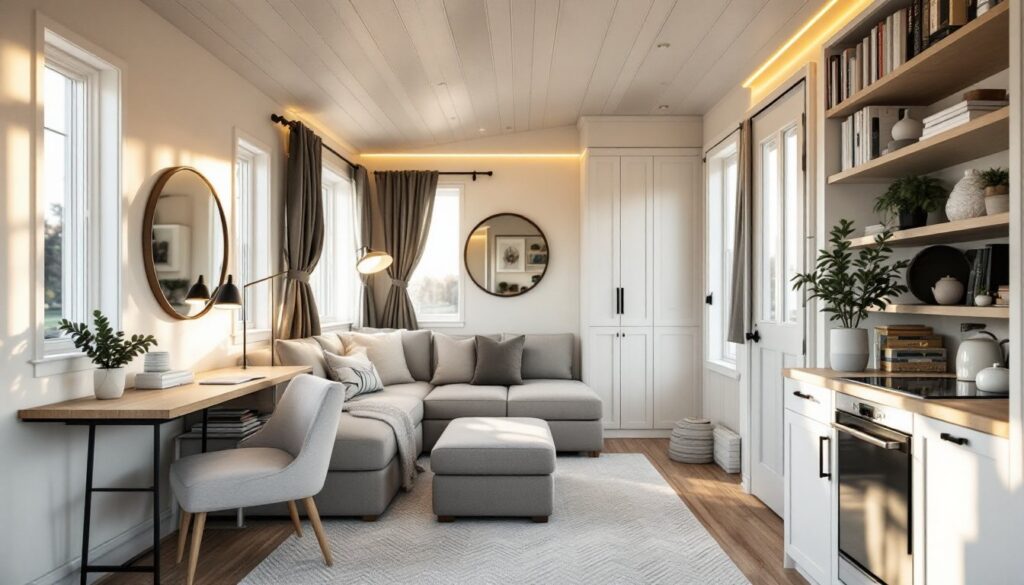
Living in a tiny house demands strategy, not sacrifice. With thoughtful design and practical storage solutions, a 400-square-foot space can feel spacious and livable. The key is working with your layout rather than against it, leveraging every wall, corner, and vertical inch. Homeowners and DIYers are discovering that small-space living rewards intentional choices about furniture, organization, and visual tricks. This guide walks through real, implementable solutions that make tiny houses genuinely comfortable places to cook, work, and relax, without feeling cramped.
Table of Contents
ToggleKey Takeaways
- Multifunctional furniture with sturdy construction—such as ottomans with storage and murphy bed kits—reclaims square footage without sacrificing comfort or safety.
- Floor-to-ceiling wall-mounted storage and vertical solutions eliminate clutter from walkways while keeping frequently used items within reach in tiny house spaces.
- Compact kitchen and bathroom fixtures like dishwasher drawers, washer/dryer combos, and wall-mounted organizers free up valuable floor and cabinet space.
- Light colors, mirrors, and layered lighting create visual depth and make small rooms feel significantly more spacious without expensive renovations.
- Inside tiny house living succeeds when design choices are intentional and measured—prioritize pieces that genuinely serve your daily routines over aesthetic compromises.
Maximizing Space With Multifunctional Furniture
Multifunctional furniture is the workhorse of tiny-house living. Pieces that serve double or triple duty reclaim square footage without feeling like compromise.
Ottomans with storage are a straightforward example: they serve as seating, footrests, and concealed storage for blankets or seasonal items. Look for models with internal frames rated for weight, cheap particleboard collapsaes fast under daily use.
Bed frames with built-in drawers underneath replace a separate dresser entirely. Wall-mounted desks that fold down become dining tables. Sofa beds or sectionals with hidden chaise storage tackle living and sleeping in one zone. The trick is avoiding pieces that just look multifunctional: the storage must actually open smoothly and hold reasonable weight without wobbling.
When shopping, measure twice. A murphy bed kit (typically 3–4 feet deep when closed) needs clearance in front, and hinges must be rated for your mattress weight, most modern kits handle queen sizes, but verify. Similarly, A-Frame Tiny Homes offer design inspiration for layout strategies that work with limited footprints.
Avoid cheap multipurpose pieces that sacrifice function for novelty. A sofa that converts to a bed should be a comfortable sofa first and a functional bed second, not an uncomfortable compromise.
Vertical Storage and Wall-Mounted Solutions
Your walls are your best real estate. Floor-to-ceiling storage removes clutter from walkways and keeps items within reach without eating floor space.
Using Floor-to-Ceiling Shelving and Cabinets
Floor-to-ceiling shelving maximizes what would otherwise be wasted wall volume. Before installation, locate studs (typically 16 inches on center in standard framing) using a stud finder and secure brackets directly into them, drywall anchors alone won’t support loaded shelves safely.
For shelves, use 1/2-inch plywood or thicker if spanning more than 3 feet: anything less will sag under weight over time. Space brackets every 16–24 inches depending on load. If you’re mounting cabinets, verify the wall can handle distributed weight, studs in exterior walls may be load-bearing, so check locally or consult a professional if unsure.
Wall-mounted fold-down desks, fold-out cutting boards, and spice racks reduce counter clutter in kitchens. Pegboards with hooks store tools and lightweight items without permanent fastening. Floating nightstands beside a bed eliminate the need for bedside tables.
In bathrooms, wall-mounted medicine cabinets, shelves above the toilet, and corner cubbies handle toiletries and linens. Tiny Home Storage Secrets explain more advanced solutions like recessed shelving (which requires cutting into walls and should be done before finishing, or by a handy DIYer familiar with framing).
The safety note: use a level to install shelves plumb, and never load them asymmetrically. A shelf groaning under weight on one end will fail unpredictably.
Kitchen and Bathroom Organization Strategies
Kitchens and bathrooms are tiny-house pressure points, dense with fixtures and storage needs in compact layouts.
Compact Appliances and Space-Saving Fixtures
Combo units are essential: a microwave-convection oven hybrid, an induction cooktop instead of a full gas range, or a dishwasher drawer (about 3 inches deep vs. standard 24) frees up cabinetry. Measure your counterspace and available outlet locations before purchasing: a 600-watt induction cooktop requires dedicated 20-amp wiring, which may need a licensed electrician if your home lacks it.
Nested cookware, mixing bowls, and food storage containers stack efficiently and take up a fraction of the space bulky kitchen gadgets demand. Vertical dividers in cabinets organize baking sheets and cutting boards so they don’t topple when you open a door.
For bathrooms, The Kitchn offers design ideas on compact kitchen fixtures and organization. A wall-mounted toilet paper holder keeps rolls off the floor. Over-the-door organizers on bathroom doors store medications, hair tools, and skincare without cabinet installation. Corner shelves above sinks and in shower corners add storage that doesn’t reduce floor space.
Pedestal sinks (vs. vanities) create visual lightness and free the under-sink area, though you lose cabinet storage, so offset that elsewhere. For laundry, a washer/dryer combo (about 27 inches wide) fits into closet-sized spaces, though drying takes longer than stacked units. Cost is higher, but floor space saved often justifies it.
Label everything. In tight quarters, a random Tupperware hunt wastes mental energy. Clear containers or printed labels keep daily routines frictionless.
Color, Lighting, and Visual Tricks to Expand Your Space
Paint, light, and mirrors are free or cheap tools that make small spaces feel larger, no renovation required.
Light colors on walls and ceilings reflect light and reduce visual “weight.” White or soft gray is the default, but pale blue, cream, or warm beige work too. Test a 2-foot-by-2-foot sample on your wall in morning, afternoon, and evening light before committing: paint samples cost $5–10 and beat a full-room mistake.
Mirrors opposite windows or light sources bounce illumination around the room and create a sense of depth. A large mirror (3 feet by 5 feet) in a narrow hallway opens it visually. Avoid clusters of small mirrors, they read as busy and fragment the space.
Layered lighting beats a single overhead fixture. Combine ambient light (ceiling), task light (under cabinets or near a desk), and accent light (a floor lamp in a corner) to create depth and flexibility. LED bulbs in warm white (2700K) feel cozy without the energy cost of incandescent. Motion-sensor lights in closets and under stairs add convenience without extra wiring.
Vertical lines (tall bookcases, curtains that reach the ceiling) pull the eye upward and make ceilings feel higher. Avoid dark, heavy furniture and large area rugs that anchor the space visually. Modern architecture and sustainable design showcase how contemporary designers use these principles in compact homes.
Minimize visual clutter on walls and surfaces. Two decor pieces per shelf beat a crowded gallery wall. Floating shelves with a few carefully curated items feel intentional: shelves packed wall-to-wall feel chaotic, even if they’re storage.
Conclusion
Tiny-house living succeeds when design choices serve your actual daily life, not a magazine aesthetic. Multifunctional furniture, strategic vertical storage, compact appliances, and thoughtful lighting create homes that feel spacious and functional. The reward isn’t just saving square footage, it’s eliminating excess and building a home where everything earns its place. Start with one or two changes, measure carefully, and adjust as you go. Tiny House Lifestyle exploration offers deeper insights into making minimalist living work long-term.