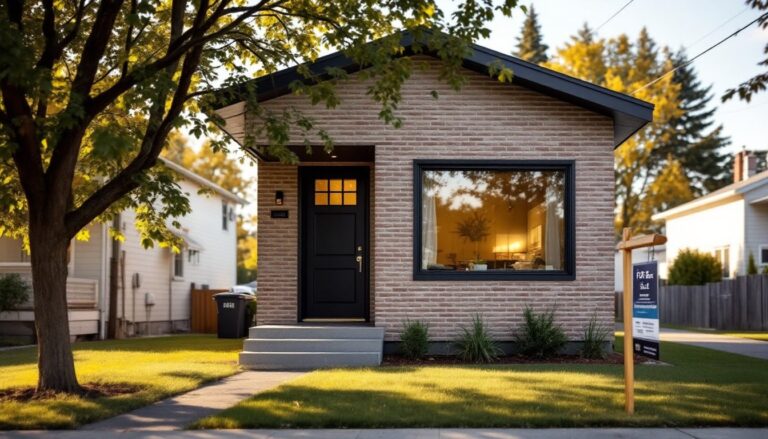
The tiny house movement has shifted from a fringe lifestyle choice into a mainstream phenomenon reshaping how people think about home ownership. In 2026, more Americans are choosing to live in spaces under 400 square feet, driven by financial pressure, environmental concerns, and a genuine desire to simplify. Unlike minimalism, which focuses on owning fewer things, the tiny house movement emphasizes a complete reimagining of residential space. Homeowners are trading sprawling square footage for intentional design, lower utility bills, and freedom from mortgage debt. This isn’t just about downsizing, it’s a deliberate shift in what “home” means to a growing number of people seeking both practicality and purpose.
Table of Contents
ToggleKey Takeaways
- The tiny house movement emphasizes intentional living and complete residential reimagining, not just downsizing, with homeowners trading sprawling square footage for lower utility bills and freedom from mortgage debt.
- Tiny house living offers significant financial benefits, with costs ranging from $40,000–$150,000 compared to the $400,000+ median U.S. home price, allowing owners to achieve debt-free homeownership within 5–10 years.
- Tiny homes consume one-third to one-half the energy of conventional houses, generating substantial environmental savings through reduced lumber, concrete, manufacturing waste, and lower water usage.
- Three primary tiny house designs exist—foundations-based structures, homes on wheels (THOWs), and container conversions—each with distinct advantages in permanence, mobility, and cost.
- Before committing to tiny house living, declutter significantly, visit actual tiny homes, identify non-negotiables, and understand local zoning restrictions to avoid costly legal and financing complications.
- The tiny house movement appeals to millennials managing student debt and retirees seeking simplification, but requires genuine buy-in and discipline for storage management and lifestyle compatibility.
What Defines the Tiny House Movement
Core Principles and Philosophy Behind Minimalist Living
A tiny house is typically defined as a dwelling under 400 square feet, though some definitions cap it at 500 square feet. But, the movement isn’t really about hitting a specific square footage number, it’s about living intentionally. The core philosophy centers on reducing environmental footprint, eliminating unnecessary consumption, and reclaiming time and money wasted on maintaining large homes.
The tiny house philosophy rests on three pillars: financial independence, environmental responsibility, and personal freedom. Followers prioritize owning fewer possessions, choosing quality over quantity, and designing spaces that serve genuine needs rather than displaying status. Many tiny house dwellers report spending 20-30% less on utilities compared to average American households. The movement draws inspiration from Japanese minimalism, sustainable architecture, and the FIRE (Financial Independence, Retire Early) movement.
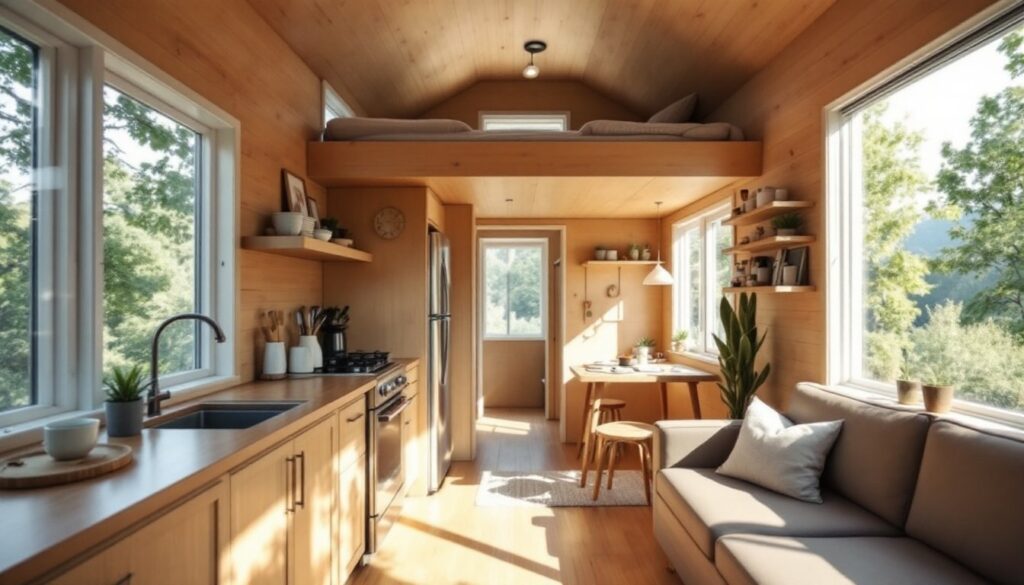
What sets tiny house living apart from traditional small homes is the intentionality. A 300-square-foot tiny house on wheels represents a lifestyle choice, not a forced compromise. Inhabitants select every item carefully, from appliances to furniture, ensuring each piece earns its place. Tiny home inspiration shows how thoughtful design transforms limited space into functional beauty. This contrasts sharply with older small homes built due to budget constraints or urban density, those were often cramped by necessity, not philosophy.
Why Homeowners Are Embracing Tiny Houses
Financial Benefits and Sustainability
The economics of tiny house living are compelling. A traditionally built tiny house on a foundation costs $50,000-$150,000 (depending on location and finishes), while a median home in the U.S. costs over $400,000. Even accounting for land, a tiny house owner can own their home outright within 5-10 years, eliminating decades of mortgage payments. Monthly utilities drop dramatically, many tiny homes run $50-$150 monthly for heating, cooling, and electricity compared to the national average of $150-$200 for standard homes.
From an environmental perspective, tiny homes use 1/3 to 1/2 the energy of conventionally sized homes. Smaller footprints mean less lumber, concrete, and manufacturing waste during construction. Owners naturally produce less trash when living in confined spaces: it forces conscious consumption. Water usage decreases, heating and cooling loads shrink, and transportation becomes more efficient when people live closer to urban centers.
Beyond dollars and carbon, many homeowners cite psychological benefits. One common finding among tiny house dwellers is reduced stress, no sprawling lawers to maintain, smaller cleaning tasks, and lower financial obligations. Time spent on home maintenance drops, freeing hours for hobbies, family, or work. Property taxes are lower, and small house living attracts people exhausted by the traditional homeownership treadmill. The movement appeals strongly to millennials burdened by student debt and to retirees wanting to simplify without downsizing emotionally.
Common Tiny House Designs and Layouts
Tiny house designs fall into a few primary categories, each with trade-offs.
Tiny Houses on Foundations are permanent structures built on a concrete pad or raised foundation. These allow for full utilities (septic or sewer, well or municipal water, standard electrical hookups). They’re ideal for rural settings or properties where you want a genuine permanent residence. Costs run higher ($60,000-$180,000+) due to foundation work, but you gain standard building permits and conventional financing options.
Tiny Houses on Wheels (THOWs) are built on a trailer chassis, typically 8.5 feet wide and 20-40 feet long. They’re mobile but subject to RV regulations in many jurisdictions. THOWs cost $40,000-$100,000 and appeal to people wanting flexibility or avoiding permanent property ties. But, parking restrictions, zoning codes, and insurance can be problematic. Tiny home trailers offer mobility but require land access and legal clarity before investing.
Container Homes convert shipping containers into living spaces, affordable ($30,000-$80,000) but require insulation, ventilation, and careful structural work to avoid condensation and moisture issues. These appeal to eco-conscious builders and those seeking an industrial aesthetic.
Manufactured Tiny Homes are factory-built modules that meet HUD or local building codes. They’re cheaper than site-built homes and faster to deliver but offer less customization. Common layouts maximize vertical space with lofted bedrooms, Murphy beds, or convertible seating areas. Open floor plans (combining living, dining, and kitchen) use space efficiently without feeling cramped.
Challenges and Practical Considerations
Tiny house living isn’t for everyone, and the movement has real friction points worth acknowledging.
Zoning and Legal Issues top the list. Many municipalities don’t permit residential structures under a certain square footage or restrict ADUs (accessory dwelling units) in single-family neighborhoods. Building codes vary wildly, some jurisdictions require THOWs to meet RV standards, others demand full residential compliance. Before buying or building, confirm local zoning laws, setback requirements, and whether tiny houses are permitted. Craftsman tiny homes and other custom builds may require variance approvals, adding cost and complexity.
Storage and Space Management demand discipline. Families with children, hobbyists needing workshop space, or those with extensive belongings face genuine challenges. There’s no attic, no basement, and no extra room for seasonal items. People accustomed to suburban spaciousness often underestimate the adjustment period, typically 6-12 months before the constraints feel normal.
Resale and Financing can be tricky. Tiny houses on wheels often qualify as personal property, not real estate, making traditional mortgages unavailable. Appraisals are harder because comps (comparable properties) are scarce. Buyers should research financing options before purchasing: many require cash or specialized lenders. Resale markets are niche, you’re selling to people genuinely interested in tiny living, not the broader market.
Lifestyle Incompatibility matters too. Entertaining large groups, hosting overnight guests, or supporting multi-generational living becomes difficult. Kitchens are compact, bathrooms may be tiny shower-only setups, and noise carries easily. Some people thrive in confined spaces: others feel claustrophobic. It’s a lifestyle choice requiring genuine buy-in, not just a cost-cutting measure.
Making a Tiny House Work for Your Lifestyle
If tiny house living appeals to you, preparation separates successful transitions from frustrating mistakes.
Start by Decluttering. Before committing, downsize your current home by 50% for three months. If you genuinely miss items, keep them. This real-world test reveals whether you can handle minimal possessions. Many people discover they live on 20% of their stuff and don’t miss the rest.
Visit Real Tiny Homes. Spend time in an actual tiny house, ideally occupied by someone living full-time. Measure ceiling heights, check under-bed storage, test water pressure, and feel the spatial constraints. Virtual tours don’t capture the physical reality.
Know Your Deal-Breakers. Do you need a soaking tub or a shower? A full kitchen or a kitchenette? Space for a home office? Guests? List non-negotiables before house hunting or building.
Budget Comprehensively. Factor in land, construction or purchase, permits, utilities setup, furniture (many IKEA and custom tiny-home pieces), and unexpected costs. Don’t assume cost savings offset poor planning. The tiny house lifestyle requires transparency about total investment.
Plan for Resale Early. If you’re not committed to staying 20+ years, think about exit strategy. Document building permits, get professional inspections, and maintain the home meticulously. Tiny houses on wheels depreciate quickly if poorly maintained: foundations appreciate like regular real estate.
Connect With Communities. Join tiny house forums, local meetups, and online groups. Learning from others’ mistakes and successes accelerates your adjustment and reveals solutions you might not consider alone. Tiny homes with land for sale are easier to evaluate when you know what matters. Resources like Real Simple offer organization strategies for compact living. Experts at Fine Homebuilding provide technical guidance on building or retrofitting tiny homes efficiently.