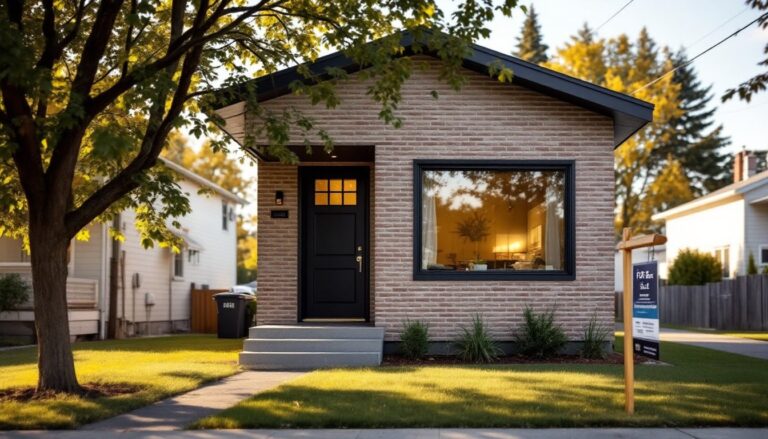
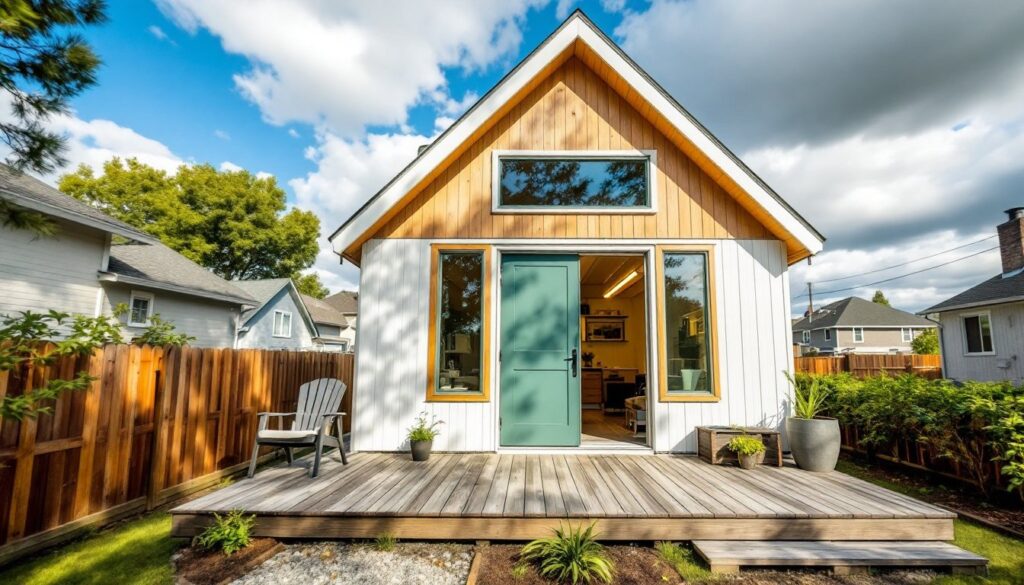
The term “tiny house” gets thrown around a lot these days, but there’s actually more flexibility, and sometimes confusion, around what qualifies as tiny than most people realize. You might picture a 200-square-foot minimalist cabin, but the truth is tiny homes can range much larger depending on where you live, local zoning laws, and what you’re building. Understanding the real size limits matters whether you’re shopping for a tiny home, planning to build one, or just curious about the movement. The definitions and regulations changed significantly by 2026, and knowing the practical boundaries can help you make smarter decisions about this lifestyle shift.
Table of Contents
ToggleKey Takeaways
- Tiny house definitions vary widely by jurisdiction, ranging from under 400 square feet to over 800 square feet depending on local zoning laws and whether loft space is included in the count.
- The most functional range for tiny house living is 250–400 square feet, offering enough space for a modest kitchen, separate bedroom or loft, bathroom, and living area without feeling cramped.
- Tiny homes on permanent foundations follow standard residential building codes, while trailer-based units are regulated as RVs with less stringent requirements, making construction method critical to your project.
- Local zoning ordinances, lot size, height restrictions, and ADU (accessory dwelling unit) caps significantly limit how big a tiny house can be in your area, requiring verification before any planning.
- Smart design strategies—including lofts, vertical storage, pocket doors, and multi-use furniture—can make even a 300-square-foot space feel spacious and functional for permanent living.
- Before committing to a tiny house size, confirm local regulations and match your desired square footage to your household’s actual lifestyle needs, as solutions that work for one person may be inadequate for families.
What Qualifies as a Tiny House
Legal Size Definitions and Standards
There’s no single federal definition of “tiny house,” which is both a feature and a headache for builders and buyers. The most widely cited benchmark comes from the tiny house movement itself: structures under 400 square feet, excluding loft space. That threshold comes from practical limits around RV and trailer regulations, not arbitrary choice. But, some jurisdictions define tiny homes as anything under 600 or even 800 square feet, especially when they’re allowed as accessory dwelling units (ADUs) on existing properties.
The International Building Code (IBC) and International Residential Code (IRC) don’t have a specific “tiny house” category. Instead, codes apply based on construction type, occupancy, and foundation, whether it’s a permanent structure or a mobile trailer. This means a 350-square-foot house on a permanent foundation falls under standard residential codes, while a tiny home on a trailer chassis typically follows RV standards, which are far less stringent.
One critical distinction: loft spaces often don’t count toward the square footage in many definitions. A 300-square-foot main floor with a 100-square-foot loft bedroom might technically be a “tiny house” by movement standards, even though the total livable area is 400 square feet. Check with your local building department and zoning office, the rules vary wildly by county and state.
The Range From Minimalist to Maximum
Tiny homes exist on a spectrum. At the smallest end, you’ve got ultra-compact studios and sleeping cabins: 150–250 square feet. These are genuine downsizing projects, often designed for single occupants or couples. They work for vacation properties, guest houses, or people serious about minimalism.
The “sweet spot” for functional tiny living sits around 250–400 square feet. This is enough room for a modest kitchen, a separate bedroom or sleeping loft, a bathroom, and living space without feeling like a closet. Most people building tiny homes deliberately land here.
Then there’s the gray zone: 400–800 square feet. Some call these “small houses” rather than “tiny homes,” but zoning codes sometimes lump them together, especially for ADUs. A 500-square-foot cottage on your property or a small detached home might be regulated as tiny housing depending on jurisdiction.
On the upper end, a few municipalities allow tiny homes up to 1,000 square feet if they meet other criteria (like height limits or lot coverage). At that point, you’re really looking at small traditional housing rather than the minimalist movement. The distinction matters because regulations, financing, and community acceptance shift dramatically once you cross certain thresholds.
Tiny House Size Categories and Square Footage
Breaking it down by category helps clarify what you’re actually dealing with:
Studio/Sleeping Cabin: 100–200 sq ft
Basically one room plus a bathroom. No separate bedroom. Works for remote workers, vacation retreats, or overflow guest space. Minimal kitchen (often a kitchenette). Storage is a creative challenge.
One-Bedroom Tiny Home: 250–400 sq ft
A dedicated bedroom or sleeping loft, separate living area, and functional kitchen. Most commonly what people mean by “tiny house.” Can accommodate two people comfortably for permanent living. Standard layouts include a main floor with sleeping loft above.
Two-Bedroom or Loft Variant: 350–600 sq ft
Two sleeping spaces (one bedroom + a loft, or two modest bedrooms). More realistic for small families. Tighter but livable. Often includes a full kitchen and separate dining area.
Small Home/ADU Transition: 600–1,000 sq ft
Falls outside strict “tiny house” definitions but treated as alternative housing. Might have two full bedrooms, a real office nook, or an in-law suite setup. Zoning-dependent on whether it counts as “tiny.”
Measurements matter during planning. When comparing floor plans, confirm whether quoted square footage includes the loft. A plan labeled “350 sq ft” might mean 250 main floor + 100 loft, which changes how you use the space. Also, “nominal” dimensions (the theoretical 2×4 stud is actually 1.5″ × 3.5″) eat into real square footage, especially in tiny structures where every inch counts.
Zoning Laws and Building Codes That Affect Size
This is where tiny house dreams collide with reality. Zoning regulations vary by county, city, and even neighborhood, so size limits depend entirely on where you want to build or place your home.
Many municipalities have specific ADU (accessory dwelling unit) ordinances that cap size, often at 800 square feet or a percentage of the primary home’s footprint (say, 50%). Some allow unlimited size if the ADU is set back or screened from the street. Others prohibit them entirely. Check your local zoning code before drawing up plans.
Minimum lot sizes also dictate what’s practical. A 350-square-foot home on a 0.1-acre lot might meet code, but if your property is only 0.05 acres, setback and lot coverage rules might block it. Lot coverage (the percentage of land the structure occupies) is a common limiting factor in residential zones, typically 25–50% depending on district.
Height restrictions affect tiny homes with lofts. A lofted design reaching 18 feet might violate a 16-foot height limit, forcing you to lower the loft or redesign. This is especially critical for A-frame and cathedral-ceiling designs.
Mobile vs. permanent status changes everything. Tiny homes on trailers fall under different regulations than foundation-built structures. Some jurisdictions allow trailer-based tiny homes in RV parks or on private property: others don’t permit them in residential zones at all. Permanent structures require passing footings, frost depth, and foundation inspection: trailers need wheel certification and axle ratings.
Most jurisdictions require a building permit for any structure over 120 square feet, regardless of “tiny” classification. Permits cost money and time but prove the structure meets code for safety, egress (legal exits), septic/utilities, and fire safety. Skipping permits invites code enforcement, fines, and headaches when selling or insuring.
Practical Tips for Maximizing Space in Your Tiny Home
Once you’ve nailed down your target size and confirmed it complies with local code, making that square footage work is the next battle. Smart layout and design choices can make a 300-square-foot space feel spacious and functional.
Lofts and vertical storage are workhorses in tiny homes. A sleeping loft frees up the main floor for living and kitchen space. Shelving that reaches 8 or 9 feet uses dead wall space. Under-stair storage, wall-mounted desks, and fold-down tables vanish when not in use. Don’t settle for a cramped bedroom when a loft lets the main floor breathe.
Think about traffic flow before placing major furniture. A living room placed between the kitchen and bedroom creates bottlenecks: position it to the side instead. Kitchen islands should be 36–42 inches wide in tiny homes, not the standard 4 feet, so appliance doors and cabinet pulls don’t collide with foot traffic.
Operable walls and pocket doors save swings. A standard entry door opening inward steals 10 square feet of usable floor space. Pocket doors slide into the wall cavity and free that space entirely. In a 300-square-foot home, reclaiming 10 feet is significant.
Tiny Home Storage Secrets: for specific built-in storage ideas tailored to compact layouts. Drawers under stairs, overhead cabinets, and nook seating with storage underneath are standard practice in tiny design.
Natural light and mirrors make tiny spaces feel larger without adding square footage. High windows and skylights brighten the interior and create visual openness. A mirror opposite a window reflects light and tricks the eye into perceiving more depth.
Finally, consider multi-use furniture: sofa beds, ottoman storage, dining tables that fold up against the wall. In tight spaces, every piece should earn its footprint by serving at least two functions.
Conclusion
Tiny houses in 2026 aren’t as tiny as the movement’s name suggests. Legal definitions range from under 400 to over 800 square feet depending on jurisdiction, construction method, and how you count loft space. Before committing to a size or floor plan, verify your local zoning code, building department rules, and ADU ordinances, what flies in one county might be blocked in the next. The real win is matching your desired size to both local regulations and your actual lifestyle needs. A 250-square-foot home works beautifully for one person: add a family, and you’ll likely need the 400–600 range. Know your limits, plan accordingly, and you’ll build (or buy) a tiny home that’s perfectly sized for your situation.